The fossil fuel phaseout movement has reached 30 signatories, adding political momentum to a campaign that is increasingly forcing investors, producers and governments to reckon with a slower-burning but structural challenge to oil, gas and coal demand.
Fossil Fuel Phaseout Coalition Grows to 30 at COP31
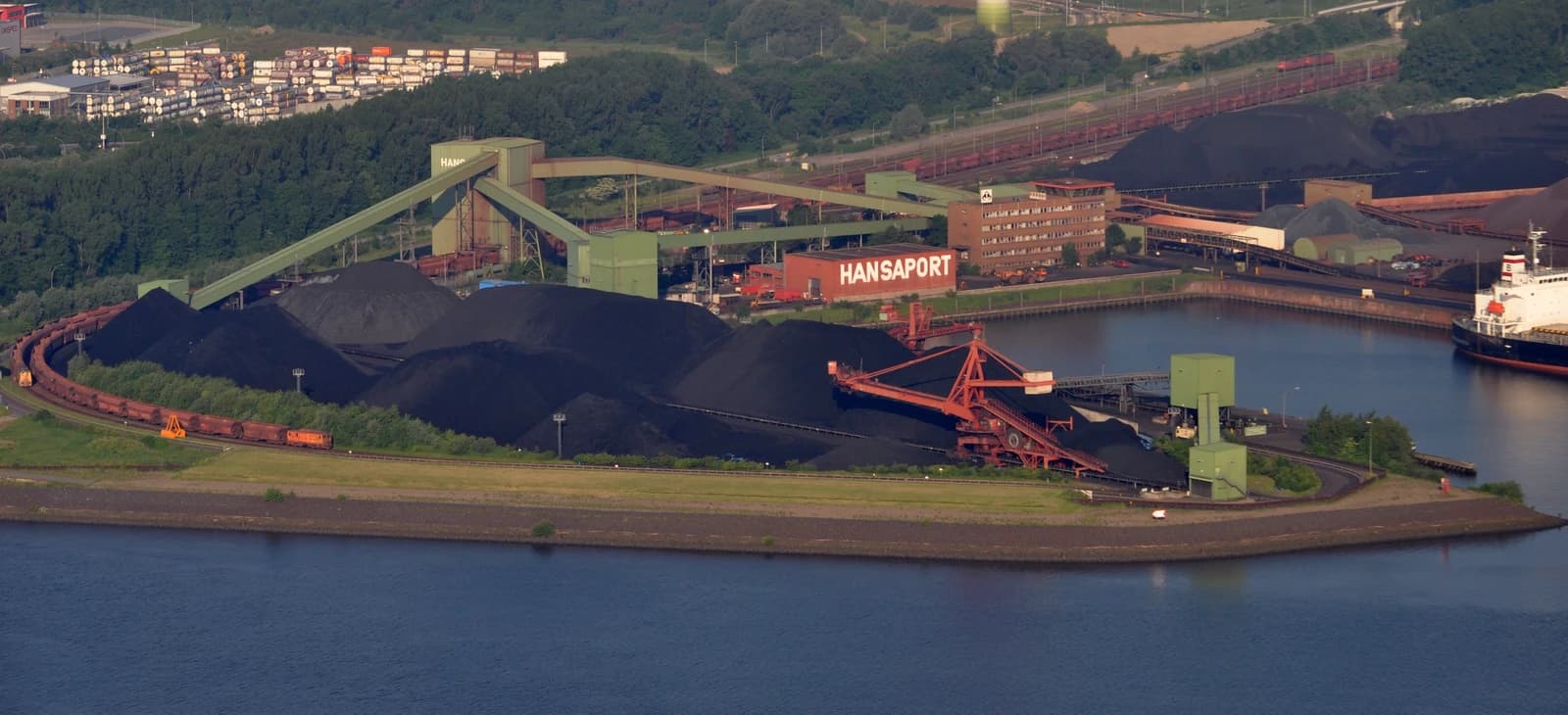
Coal
The latest additions, including Saint Vincent and the Grenadines, Guatemala, Panama, Nepal, Kenya and Ghana, were announced at a COP31 side meeting in Antalya hosted by Turkey. The agreement is still a coalition of willing countries rather than a binding treaty, but the growth to 30 members underscores that the push to move beyond fossil fuels is no longer limited to a small group of climate activists and Pacific island states.
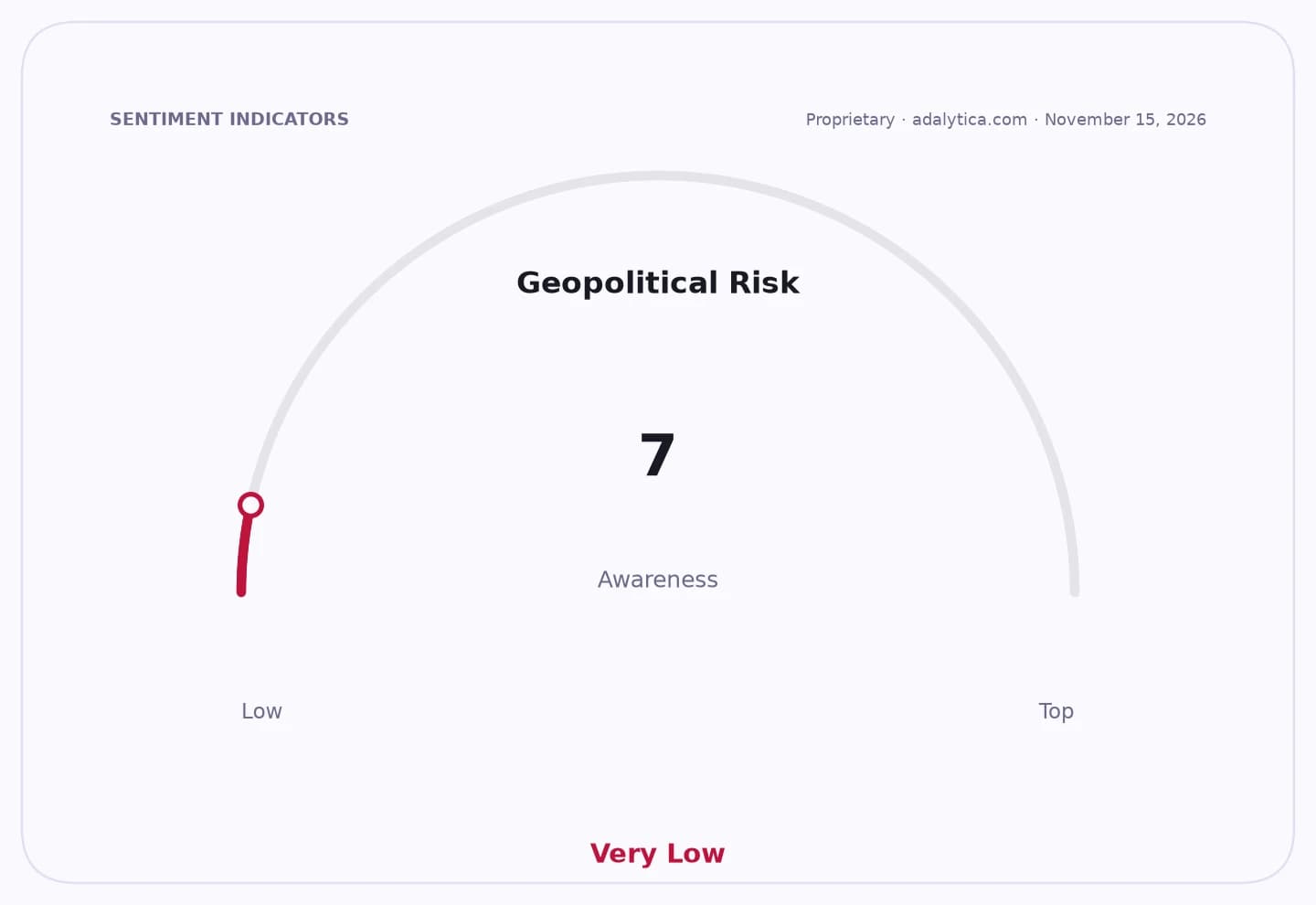
Sentiment Indicators
That matters economically because the initiative is building pressure at the same time governments are being asked to reconcile climate pledges with energy security, power prices and growth. Panama’s environment minister Juan Carlos Navarro used unusually blunt language to attack fossil fuel dependence, while Fiji said the agreement and related mechanisms are intended to complement, not replace, the Paris accord. The message from the more climate-vulnerable countries is that the current policy path is too slow and too inconsistent to manage rising physical and financial risks.
For investors, the significance is less about immediate legislation than about the direction of travel. A broader political coalition around phaseout language raises the odds of tighter regulation, slower permitting, higher compliance costs and more scrutiny of upstream capital spending over time. That is one reason global energy equities have been volatile even as oil remains central to the economy: the market is trying to price both continued near-term demand and the risk that long-dated reserves face rising policy constraints.
The sector backdrop is mixed. U.S. energy benchmarks such as the XLE and XOP have retreated sharply from recent highs, with XLE closing at 61.29 and XOP at 171.57 on Nov. 18, both well below their recent peaks and under pressure from weakening momentum indicators. XLE’s relative strength index was 27.8, a level that typically signals an oversold market, while XOP’s RSI stood at 26.1. At the same time, Adalytica’s Oil WTI Trade Signals show extreme greed in crude, suggesting traders still see a near-term tight market even as coal sentiment remains deeply depressed.
That divergence captures the market narrative around COP31. Climate diplomacy is advancing, but not fast enough to produce an agreed transition roadmap, and the absence of a detailed implementation plan leaves room for fossil fuel demand to persist longer than activists want and shorter than some producers assume. Australia’s push for a global phaseout, and the parallel calls for more climate adaptation finance, point to an emerging policy compromise: more money and more transition language, but not yet a clean break from hydrocarbons.
For energy companies, the near-term business model is still intact, especially if commodity prices hold and governments continue to prioritize affordability. But the incremental expansion of the fossil fuel agreement widens the long-term policy overhang on the sector, especially for companies with capital-intensive projects and longer payback periods. For governments that have signed on, the challenge is to turn symbolic alignment into grid investment, storage, transmission and financing that can actually displace hydrocarbons without causing a political backlash over bills and reliability.
The key question for investors is whether COP31 becomes a venue for clearer transition commitments or another stage for aspirational language without enforceable follow-through. If the coalition keeps growing, the policy risk premium on fossil fuels is likely to rise gradually even if commodity markets remain driven by supply disruptions, geopolitics and demand swings in the near term.
| Entity | Gains | Losses |
|---|---|---|
| Fossil Fuel Agreement signatories | ▲Climate credibility | ▼Policy flexibility |
| Fossil fuel producers | ▲Near-term demand support | ▼Long-term regulatory risk |
| Clean energy investors | ▲Transition momentum | ▼Slow implementation clarity |
| Oil and gas consumers | ▲Time to adjust | ▼Higher transition uncertainty |