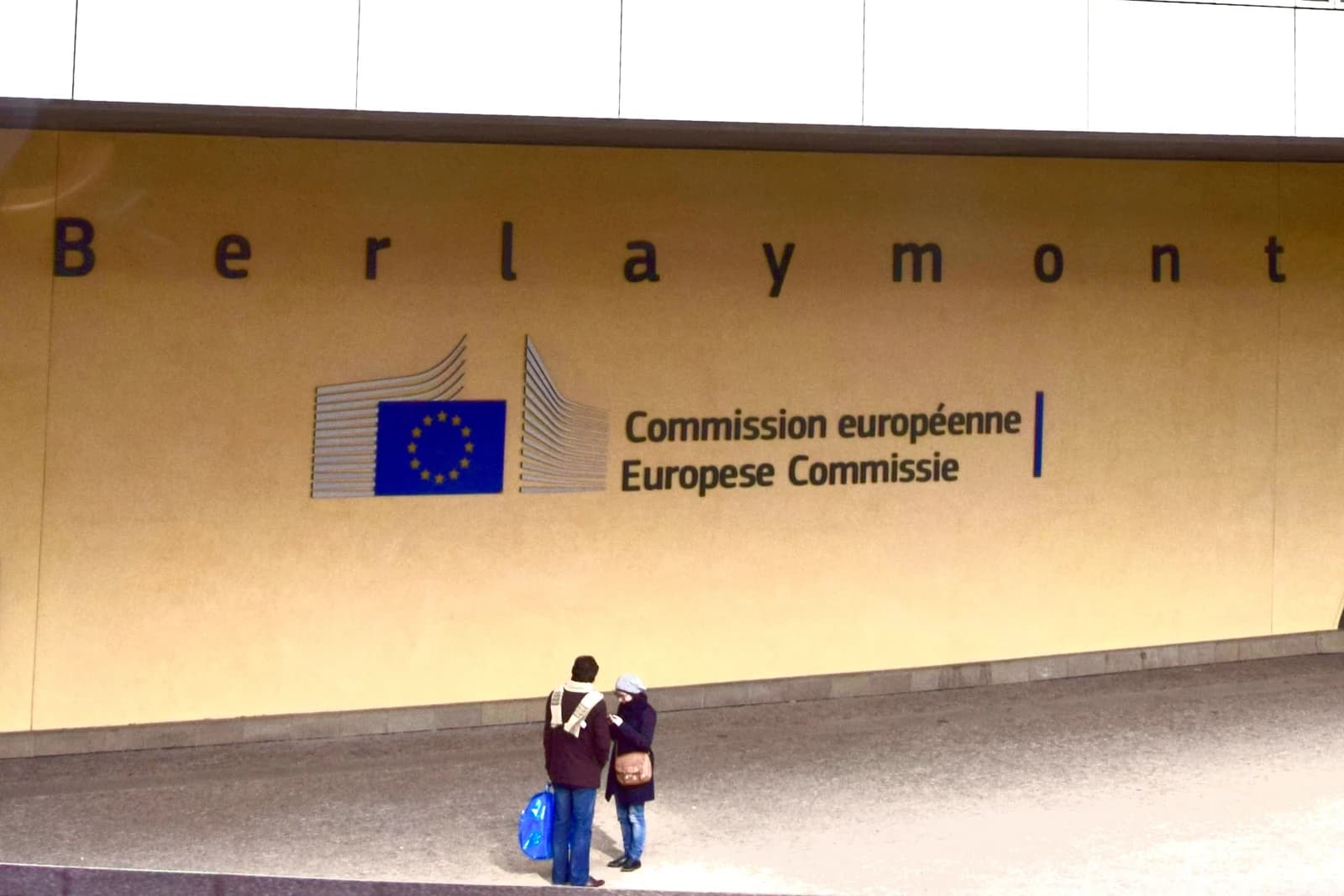
The European Commission’s move to postpone key methane reporting rules for imported oil and gas by a year has not ended the fight in Brussels; it has intensified it, with major producers and traders now pressing for broader changes that could reshape how Europe polices energy imports.
EU Delays Methane Rules for Imported Oil and Gas

The dispute matters because methane regulation sits at the intersection of climate policy, energy security and trade. Europe has tried to extend its environmental rules beyond its borders, forcing suppliers of LNG, crude and gas to document emissions across often opaque supply chains. That raises compliance costs for producers, but it also gives the EU leverage over some of the world’s biggest energy exporters at a time when the bloc is still rebuilding its gas system after Russia’s invasion of Ukraine.
Under the current timetable, importers were due from Jan. 1, 2027, to prove that monitoring, reporting and verification systems for methane emissions meet EU standards. Energy Commissioner Dan Jørgensen has proposed shifting that to Jan. 1, 2028, saying the delay would address market concerns and reflect persistent energy risks. But the industry is not treating the concession as enough. ExxonMobil, Chevron, Shell, BP and Equinor, along with trade groups, are still seeking additional changes to the framework, arguing that importers often lack direct contractual ties to the original producer and cannot reliably gather the data Brussels wants.
That creates a policy problem for the Commission. If it stands firm, it risks friction with suppliers that are central to Europe’s LNG security, including the US and Qatar. If it keeps relaxing the rules, it risks hollowing out a regulation designed to curb one of the most potent greenhouse gases and to show that EU climate law can be enforced in the global supply chain, not just at home. Environmental groups and some lawmakers are already warning that even a one-year delay weakens the system before it has fully begun.
For investors, the stakes are less about the regulation itself than about how it could alter the economics of the LNG and oil trade. A tighter regime could favor producers with better emissions tracking, stronger compliance systems and lower methane intensity, while penalizing cargoes or contracts that cannot document their footprint. A looser regime would lower near-term compliance burden for importers and suppliers, but it could also prolong uncertainty for trading houses, utilities and infrastructure owners that need to know whether shipments will clear EU rules.
The market backdrop reinforces that tension. Europe’s dependence on LNG has risen sharply as Russian pipeline flows have collapsed, making US exporters and Qatar even more strategically important. That gives suppliers more bargaining power, but it also means Brussels cannot easily ignore their objections without risking supply disruption or higher costs. The Commission’s initial attempt to soften enforcement with non-binding guidance for the first three years did little to settle the issue, because companies still want legal certainty in the regulation itself.
The next phase is legislative, not rhetorical: the European Parliament and the Council must agree to any formal postponement. That opens the door to a broader rewrite if lawmakers decide to use the delay as leverage. The result will determine not only how aggressively Europe enforces methane controls, but also how far it is willing to push climate standards into global energy trade without unsettling the supply lines that keep the continent powered.
| Entity | Gains | Losses |
|---|---|---|
| EU importers / traders | ▲More time to comply | ▼Near-term regulatory certainty |
| Oil majors / LNG suppliers | ▲Easier compliance burden | ▼Risk of tougher disclosure rules |
| EU climate advocates | ▲None | ▼Weaker methane enforcement |
| US / Qatar exporters | ▲Lower trade friction | ▼Potential EU market barriers |