The European Union’s plan to extend carbon pricing to households and fuel suppliers is running into its sharpest political resistance yet, with Poland openly pushing for delay or repeal as France and Germany try to preserve the core of the scheme. The fight matters because the ETS2 system would eventually raise the cost of heating and transport across the bloc, making it one of the most economically sensitive pieces of Brussels’ climate agenda.
EU ETS2 Delay Fight Over Carbon Pricing
At stake is not just a climate instrument, but a policy that will feed directly into inflation, consumer spending and political stability in the euro zone’s east and west. The new emissions trading system, due to start in 2028, would require fuel and heating suppliers to buy carbon allowances, passing at least part of the cost on to households and businesses. Politico reported that nine national delegations in the European People’s Party, including Poland, France, Italy and Spain, are backing a move to delay ETS2 until 2031, while some lawmakers want it scrapped altogether.
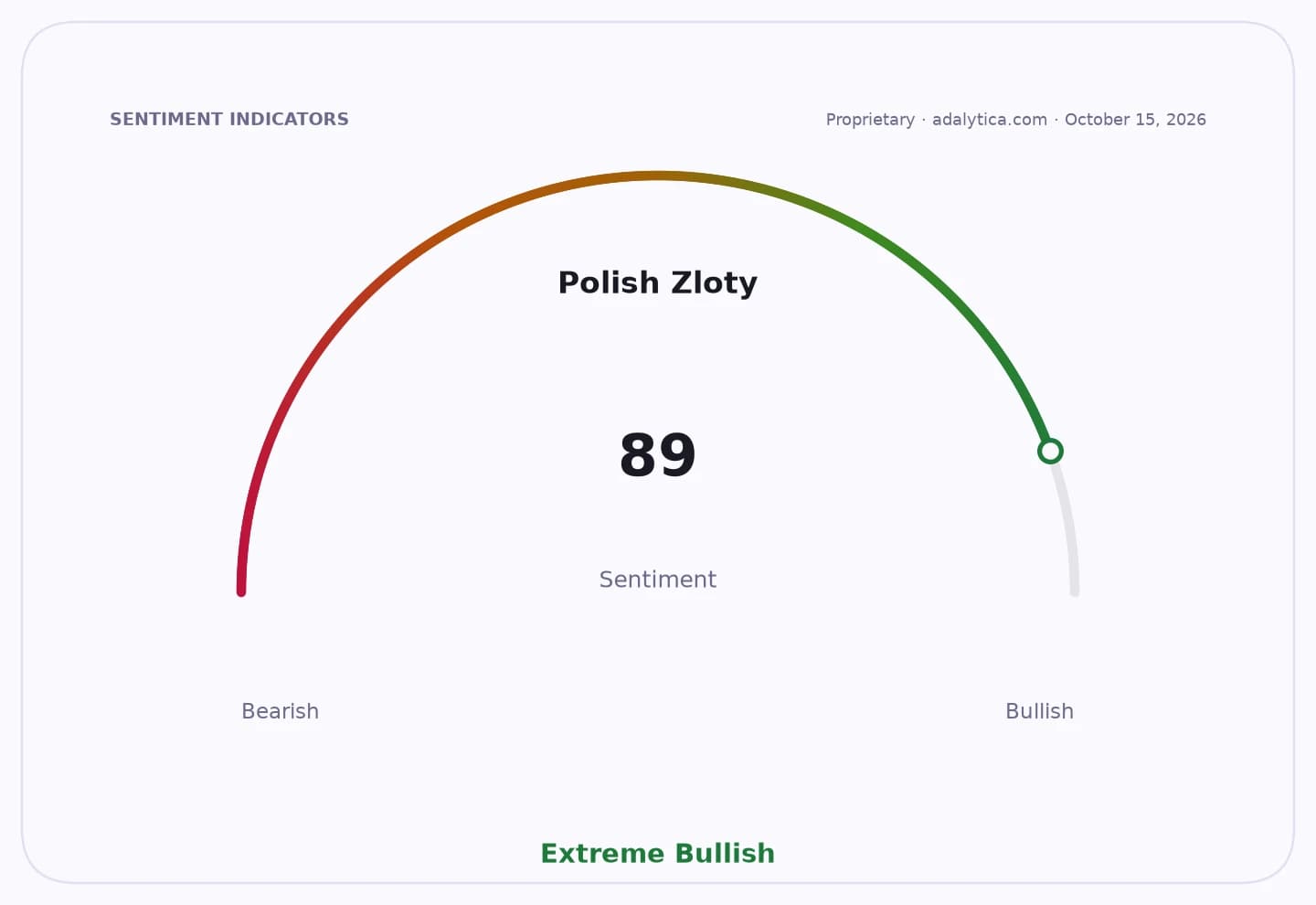
Sentiment Indicators
That makes the issue highly relevant for investors because ETS2 would affect energy-intensive sectors, utilities, fuel distributors, consumer demand and inflation expectations across Europe. If the policy is softened, delayed or diluted, it could reduce near-term cost pressure for households and companies and ease political pressure on governments already under strain from high living costs. If it proceeds on schedule, it would reinforce the bloc’s carbon price signal, support low-carbon investment and likely keep a floor under demand for emissions permits.
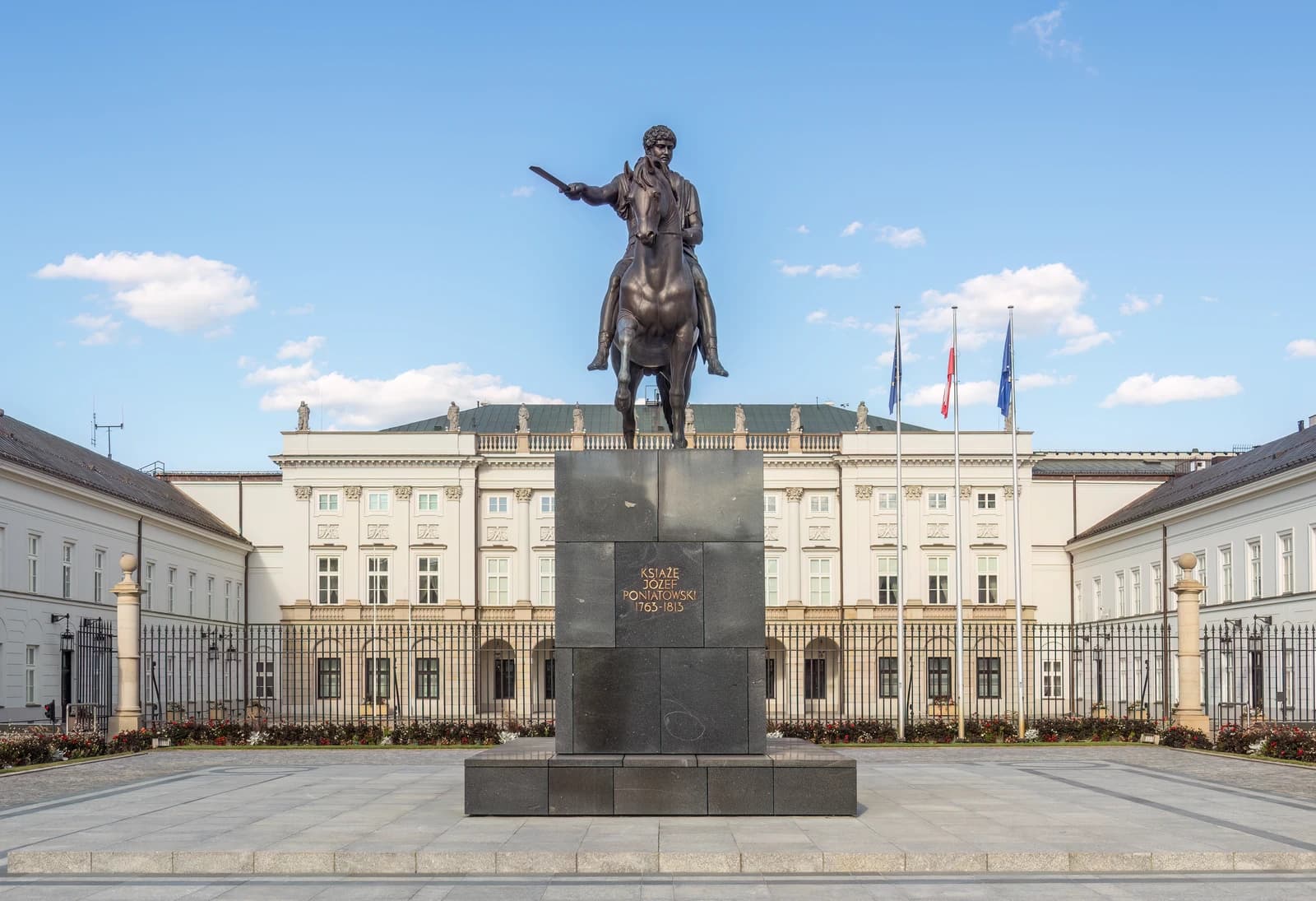
The tension is especially acute in Poland, where the cost of a household-facing carbon levy would bite harder than in richer, lower-emissions economies. Warsaw has been trying to win a postponement, and Prime Minister Donald Tusk said the European Council had at least asked the European Commission to reassess the impact of ETS2. But he also conceded the system remains scheduled to begin in 2028, underscoring how limited the opening has been so far.
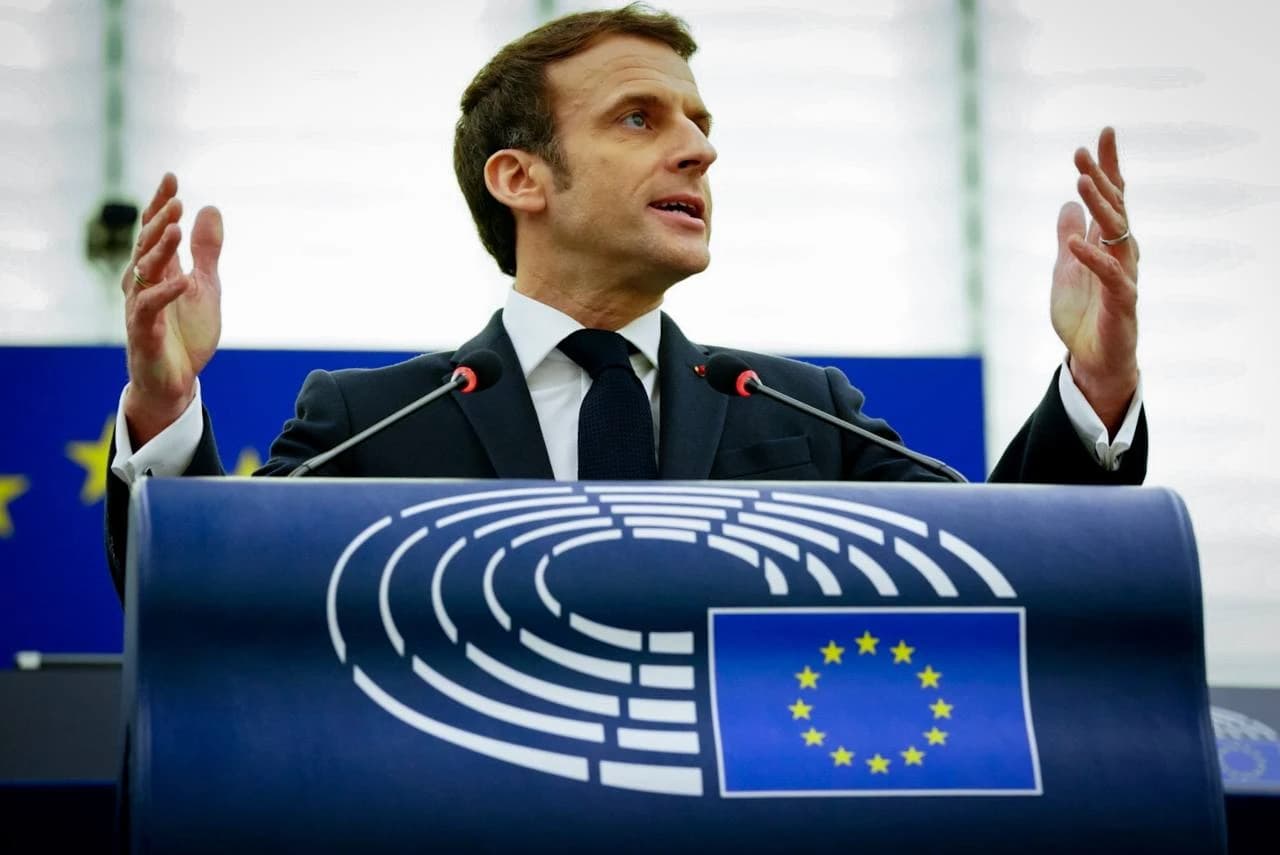
Germany and France are trying to hold the line, but for different reasons and with different domestic constraints. Berlin already has a national carbon pricing system covering heat and fuel, which means a bloc-wide ETS2 would largely repackage an existing mechanism while potentially bringing access to EU compensation funds for vulnerable households. France is more politically exposed: President Emmanuel Macron backs the 2028 launch, but French lawmakers in the European Parliament have joined the Polish and Italian camp seeking a delay, reflecting the risk that higher fuel costs could revive the kind of street backlash that followed earlier fuel-tax plans.
The broader significance is that the EU is struggling to reconcile climate ambition with the economics of household budgets and industrial competitiveness. Brussels has already signaled willingness to review parts of its emissions framework to protect industry, but the more it trims the system, the more it risks weakening the carbon-price certainty investors need for long-duration clean-energy spending. A full retreat would be a major political defeat for the Commission and a blow to the bloc’s 2050 neutrality path.
For markets, the key question is whether ETS2 becomes a durable pan-European price signal or another EU climate initiative diluted by national resistance. A delay would be a short-term relief for consumers and politically weaker governments, but it would also defer investment incentives for low-emission heating, transport and industrial upgrades. A stronger-than-expected defense of the scheme would support the long case for Europe’s decarbonization trade, even if it keeps pressure on household finances and inflation.
| Entity | Gains | Losses |
|---|---|---|
| Poland | ▲Delayed household costs | ▼Faster carbon pricing |
| France and Germany | ▲Policy flexibility | ▼Political unanimity |
| EU clean-tech investors | ▲Long-term carbon signal | ▼Delay uncertainty |
| Households and fuel users | ▲Lower near-term bills | ▼Climate-policy momentum |