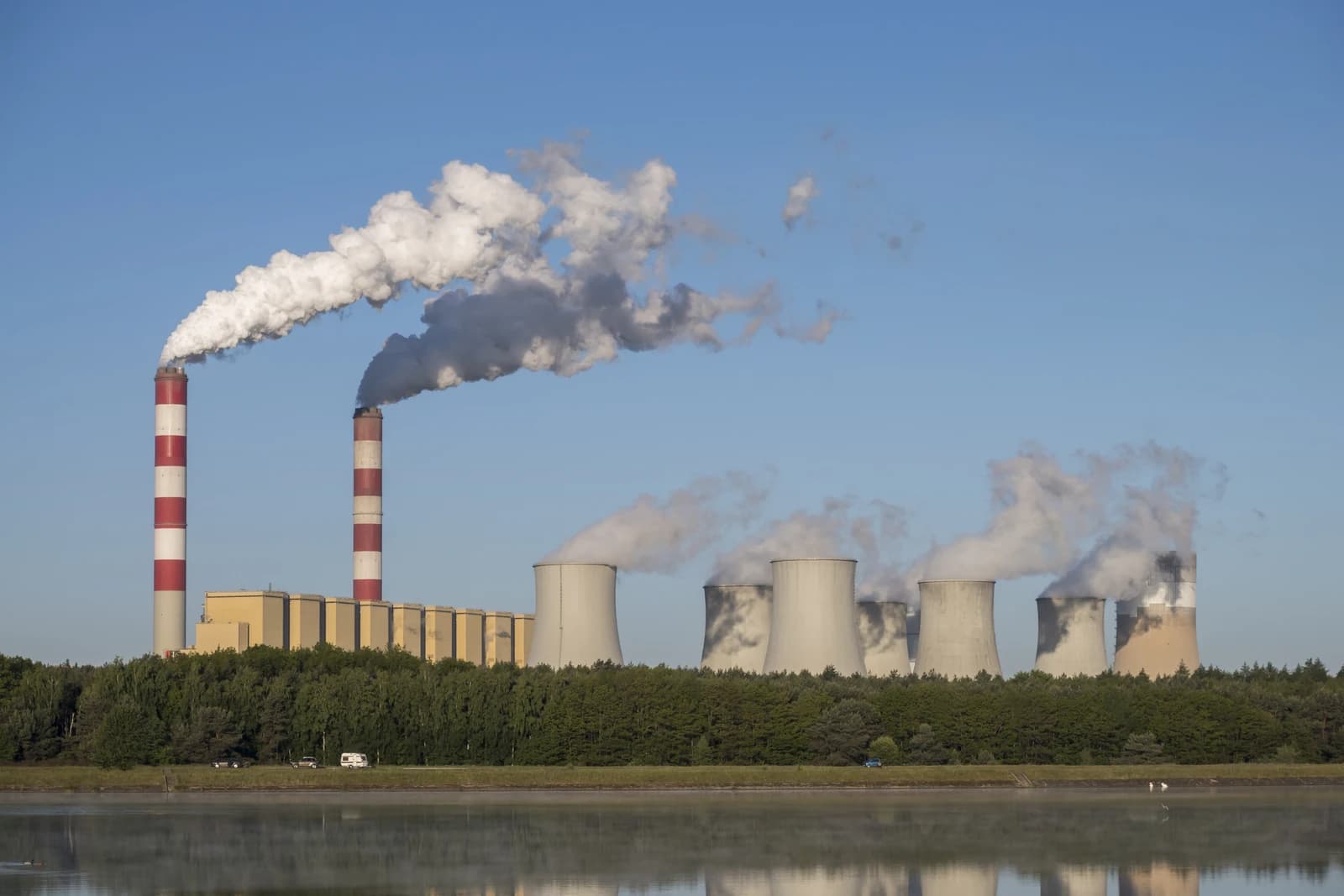
Coal is getting hit from both sides: weaker oil prices are pressuring the wider energy complex just as the long-term shift toward cleaner power keeps chipping away at coal demand.
Coal Prices Fall as Oil Slips and Demand Weakens
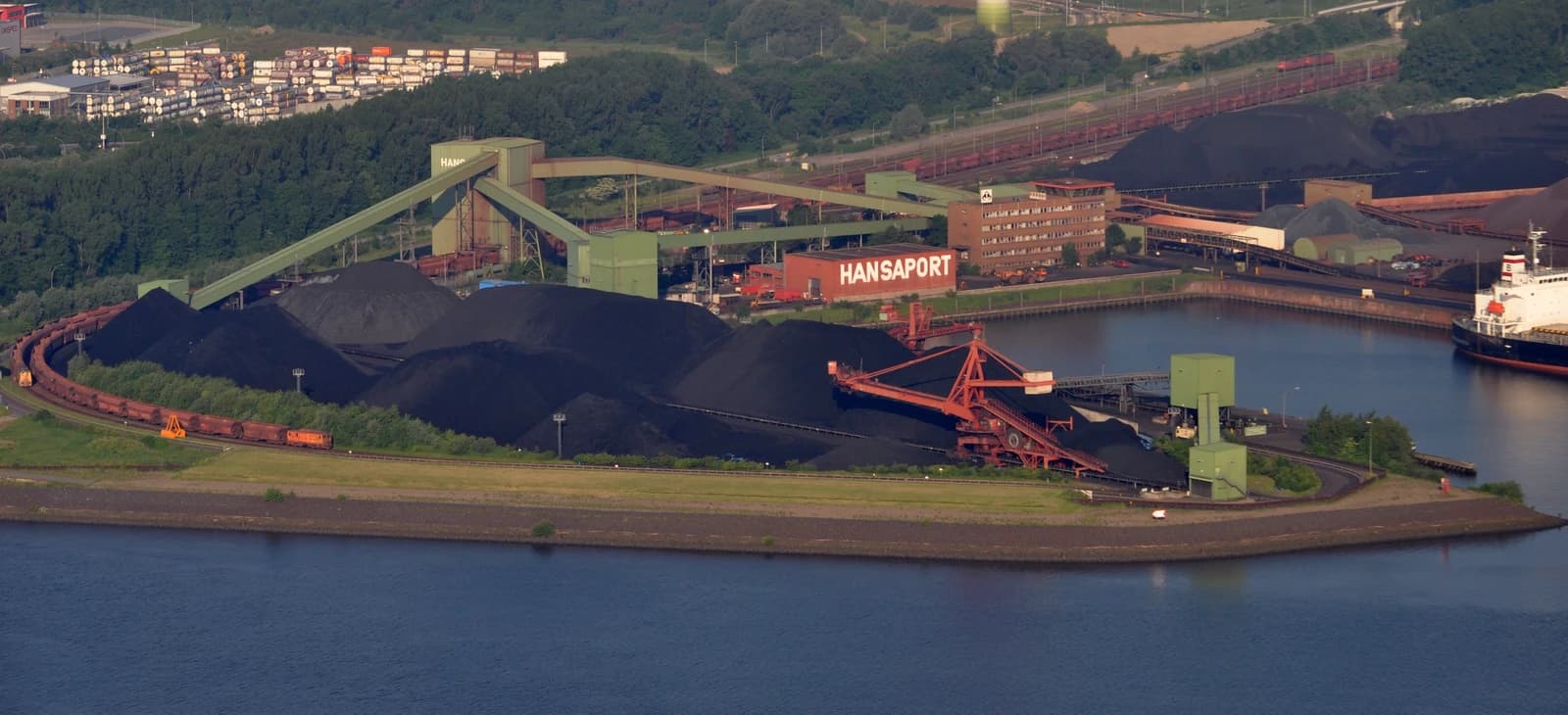
New trading data show Newcastle thermal coal for November delivery fell $1.80 to $143.15 a ton, while December and January contracts sank $4.20 and $4.30 to $141.90 and $141.65, respectively. Rotterdam coal saw an even steeper selloff in later contracts, with December down $8.65 to $125.20 a ton. That matters because coal remains a key fuel for power generation in parts of Asia and Europe, but it is increasingly vulnerable to changing fuel economics and policy pressure.
Sentiment Indicators
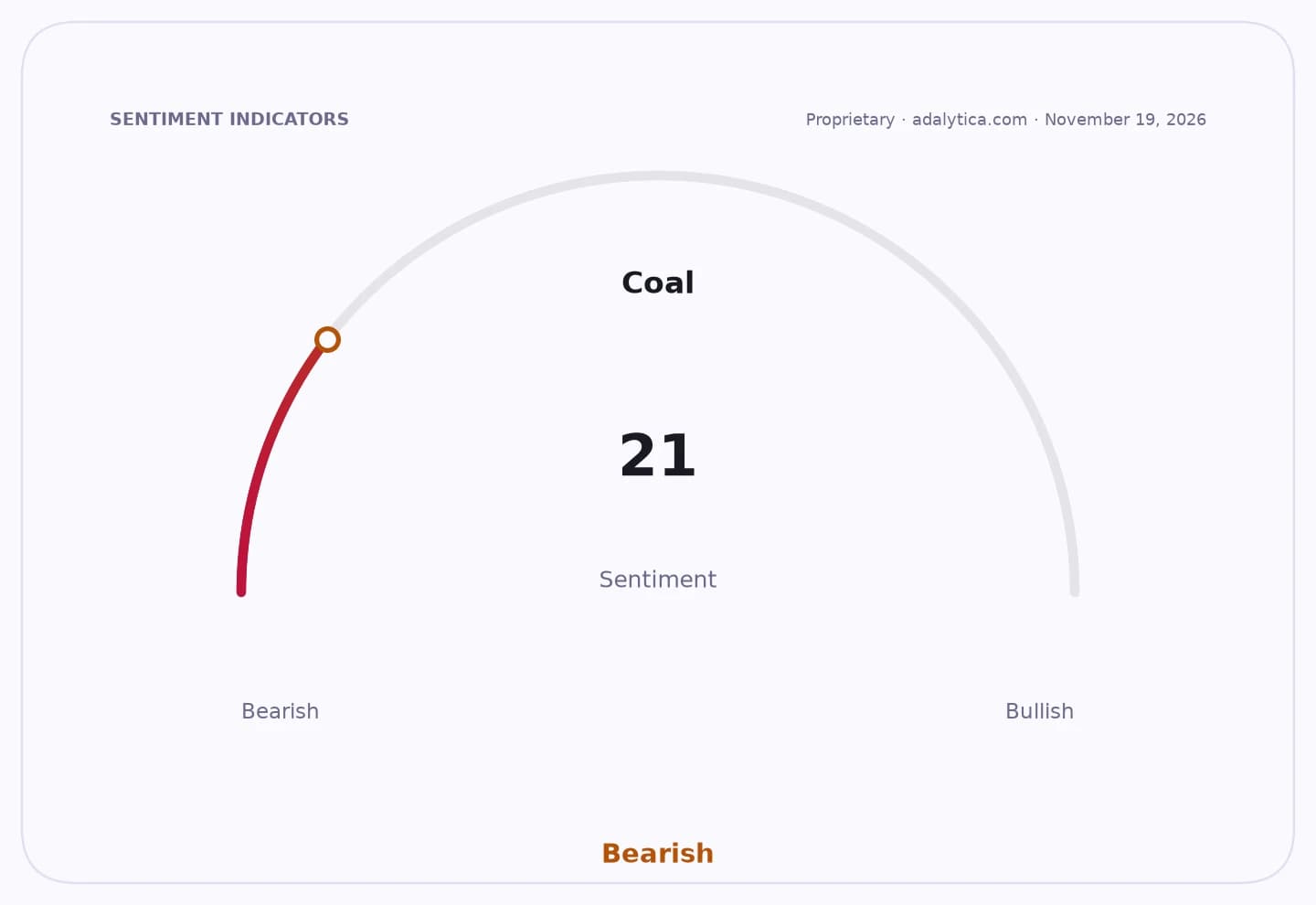
Coal
The move came alongside a sharp drop in oil prices after U.S. inventory data showed a much bigger-than-expected build in crude and fuel stocks. Brent fell $1.19 to $91.95 a barrel, while West Texas Intermediate slid $2.75, or 3.2%, to $83.26, its lowest since Aug. 26. When oil weakens, the whole fossil-fuel trade often loses momentum, and investors tend to reassess the pricing power of coal producers too.
There is also a deeper structural story here. Countries are accelerating renewable-energy adoption, and that long-run transition is steadily reshaping electricity markets. Coal still matters — especially for power-hungry economies and industrial users — but every step toward cleaner generation reduces the medium-term growth case for the fuel. The result is a market that can still rally on demand spikes, but one that now trades with a persistent discount for policy risk.
For coal investors, that means the debate is no longer just about near-term demand. It is about how long high-cost supply can stay profitable if prices remain volatile and capital allocation keeps shifting toward lower-carbon assets. Peabody Energy, which trades under the ticker BTU, is already feeling that pressure in its share price, with the stock recently sliding to $16.67, far below its 50-day and 200-day moving averages. The technical picture reflects what the fundamentals are saying: sentiment around coal has cooled fast.
The longer-term takeaway is straightforward. Coal is not disappearing overnight, but the market is becoming less forgiving. Investors may still find opportunities in efficient producers with strong cash flow, yet the bigger winners over the next few years are likely to be diversified energy businesses and cleaner-power names that can grow as the transition accelerates.
| Entity | Gains | Losses |
|---|---|---|
| Clean energy developers | ▲Stronger transition narrative | ▼ |
| Coal producers | ▲ | ▼Lower pricing power |
| Oil consumers | ▲Cheaper fuel input costs | ▼Energy exporters |
| Long-term investors in diversified energy | ▲Rotation opportunities | ▼Coal-only exposure |