Brent crude slipped to around $92 a barrel as traders increasingly priced in a global oil surplus, a shift that is easing the market’s earlier concern that Middle East tensions would keep supply tight and prices elevated.
Brent crude falls to $92 on surplus concerns
The selloff matters because it marks a change in the dominant oil narrative: from a war-risk premium to a supply-driven market. The International Energy Agency has said global oil supply is now running ahead of demand for the first time since the Iran war began, a development that weighs on crude even as regional conflict remains a live geopolitical risk.
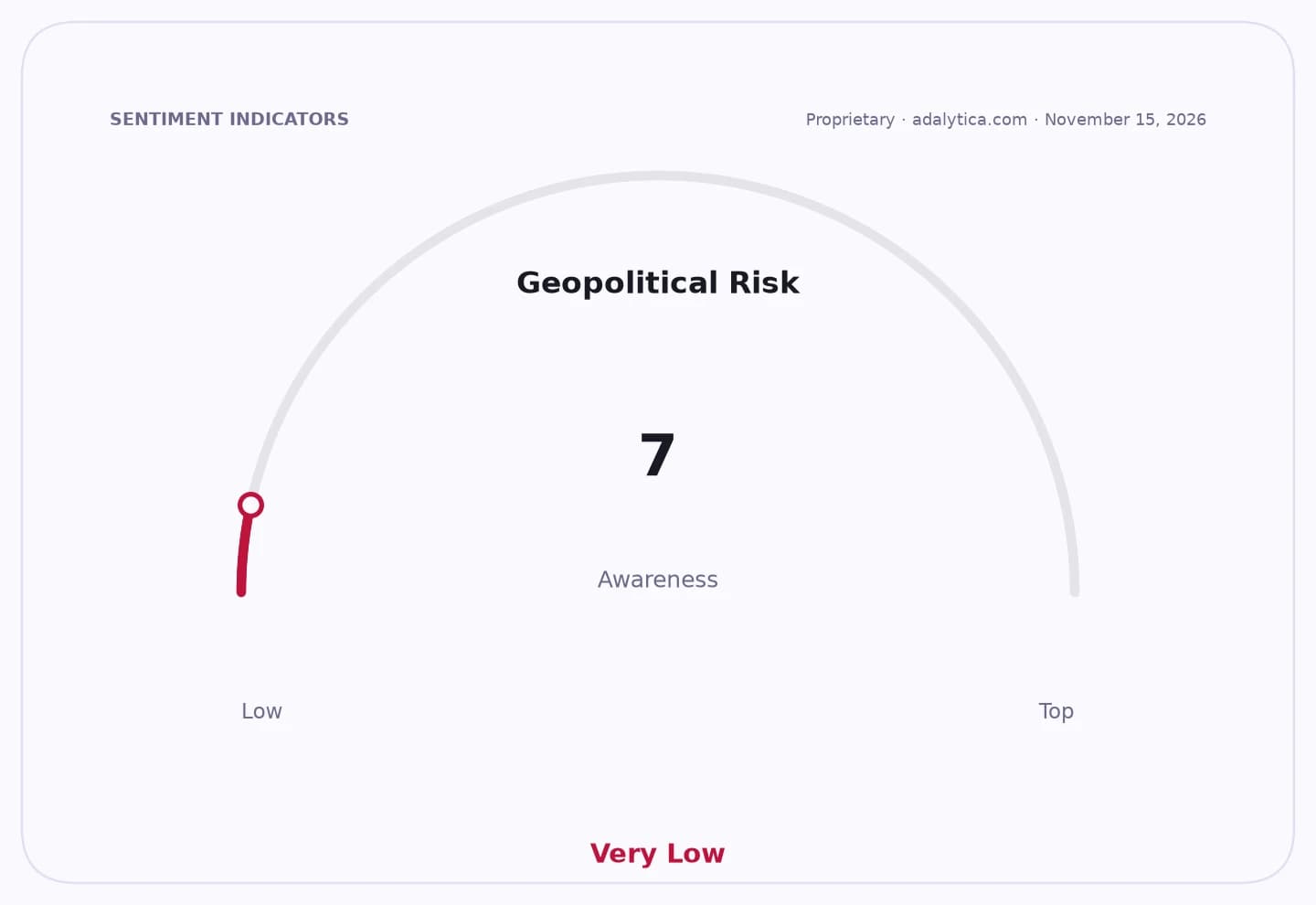
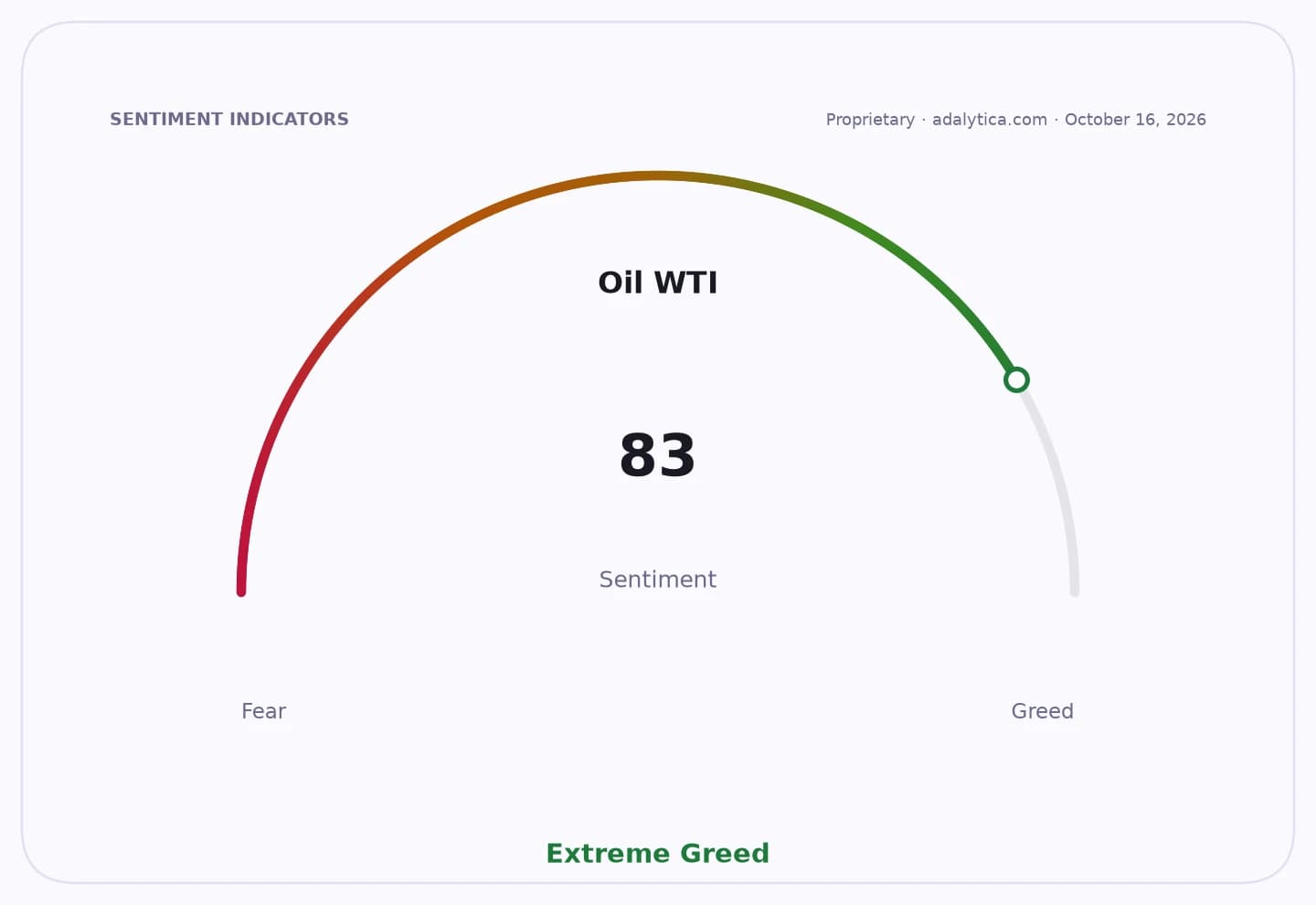
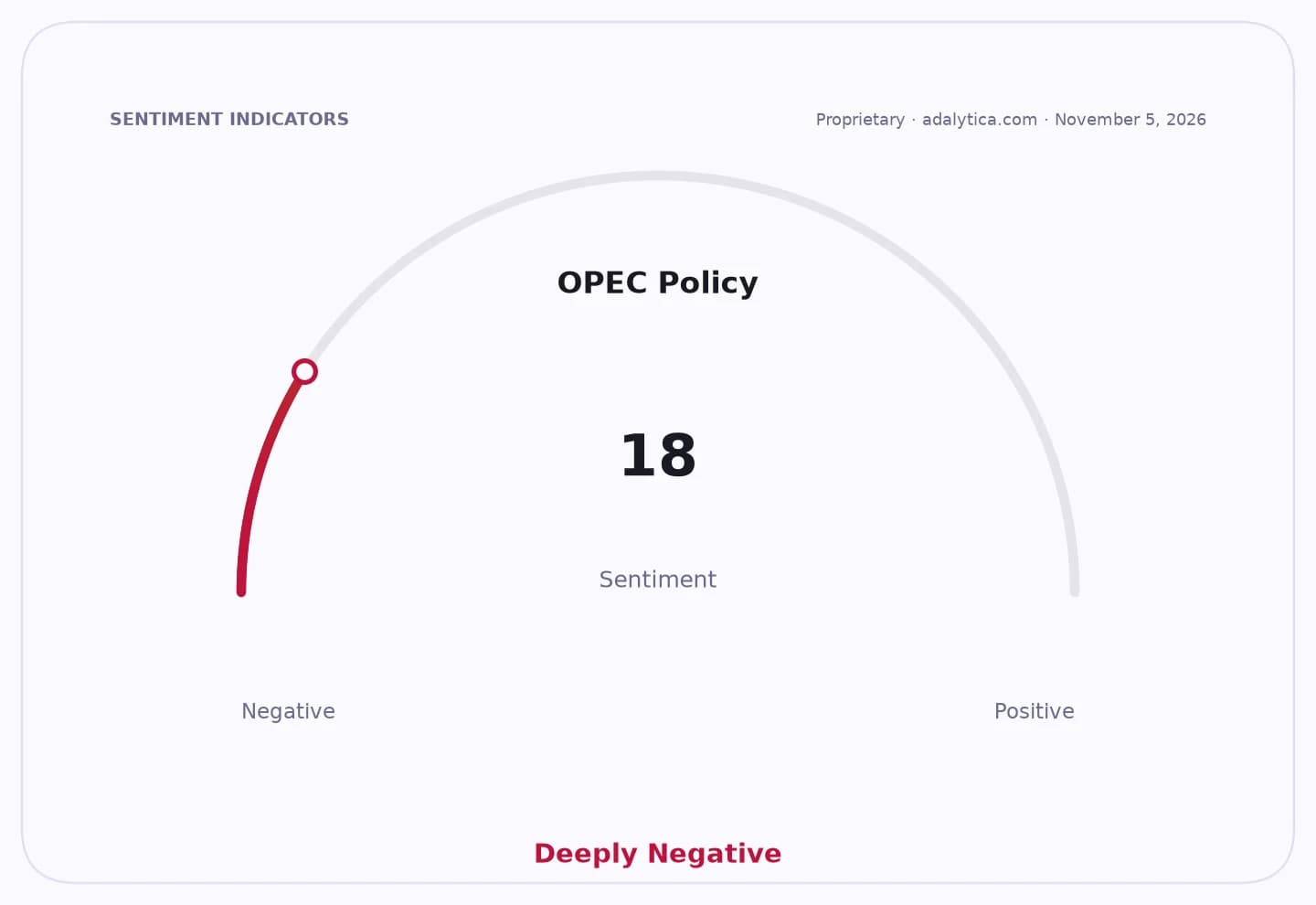
Sentiment Indicators
Brent settled at $92.89 on Nov. 17, down from $95.84 two sessions earlier, while WTI ended at $86.13. Both benchmarks have retreated sharply from the spikes seen earlier this year, when Brent briefly traded above $120 and WTI above $110. The pullback underscores how quickly the market is moving away from shortage pricing and toward the possibility of excess barrels returning to balance the system.
That shift is economically significant because oil still sets the tone for inflation, transport costs and margins across energy-intensive industries. A sustained surplus would relieve pressure on consumers and on central banks watching energy-driven price swings, but it would also reduce cash generation for producers and cap the upside for exploration and production spending. The fact that Brent is now trading below its 50-day moving average and near the lower end of its recent trading range suggests the market is leaning bearish despite the persistence of geopolitical risk.
DCOILWTICO vs DCOILBRENTEU — macro contextadalytica.com
Explore this data interactively — full history, time series and cross-market comparisons.
For investors, the message is mixed. Lower crude prices are a tailwind for refiners, airlines and other fuel buyers, while crude-sensitive exchange-traded funds and upstream producers face weaker pricing power. The recent drop also puts pressure on energy equities that had benefited from the earlier risk premium, and it raises questions about how much of the sector’s 2026 earnings assumptions were built on oil staying near triple-digit levels.
The bear case is that recovering exports, especially from the Middle East, continue to outpace demand growth and keep inventories building. The bull case is that any fresh disruption to shipping lanes or production could quickly pull barrels off the market again, reversing the surplus trade. For now, though, the balance of evidence favors the surplus view, and that is what is dragging Brent back toward the low $90s.
| Entity | Gains | Losses |
|---|---|---|
| Fuel consumers | ▲Lower input costs | ▼Less protection from inflation |
| Airlines and refiners | ▲Wider margins | ▼None |
| Oil producers | ▲None | ▼Lower realized prices |
| Crude bulls | ▲Volatile upside only | ▼Surplus-driven price pressure |