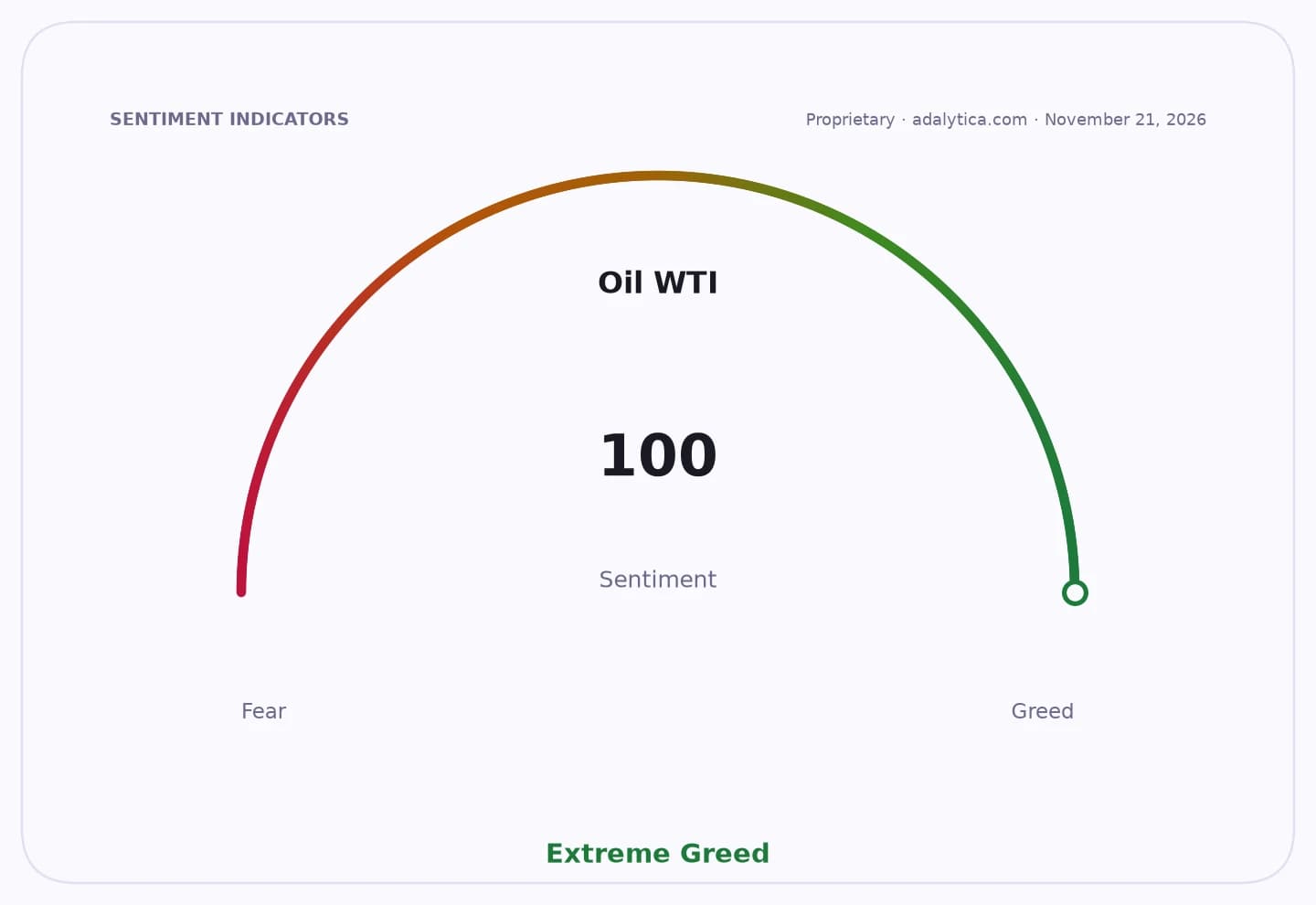
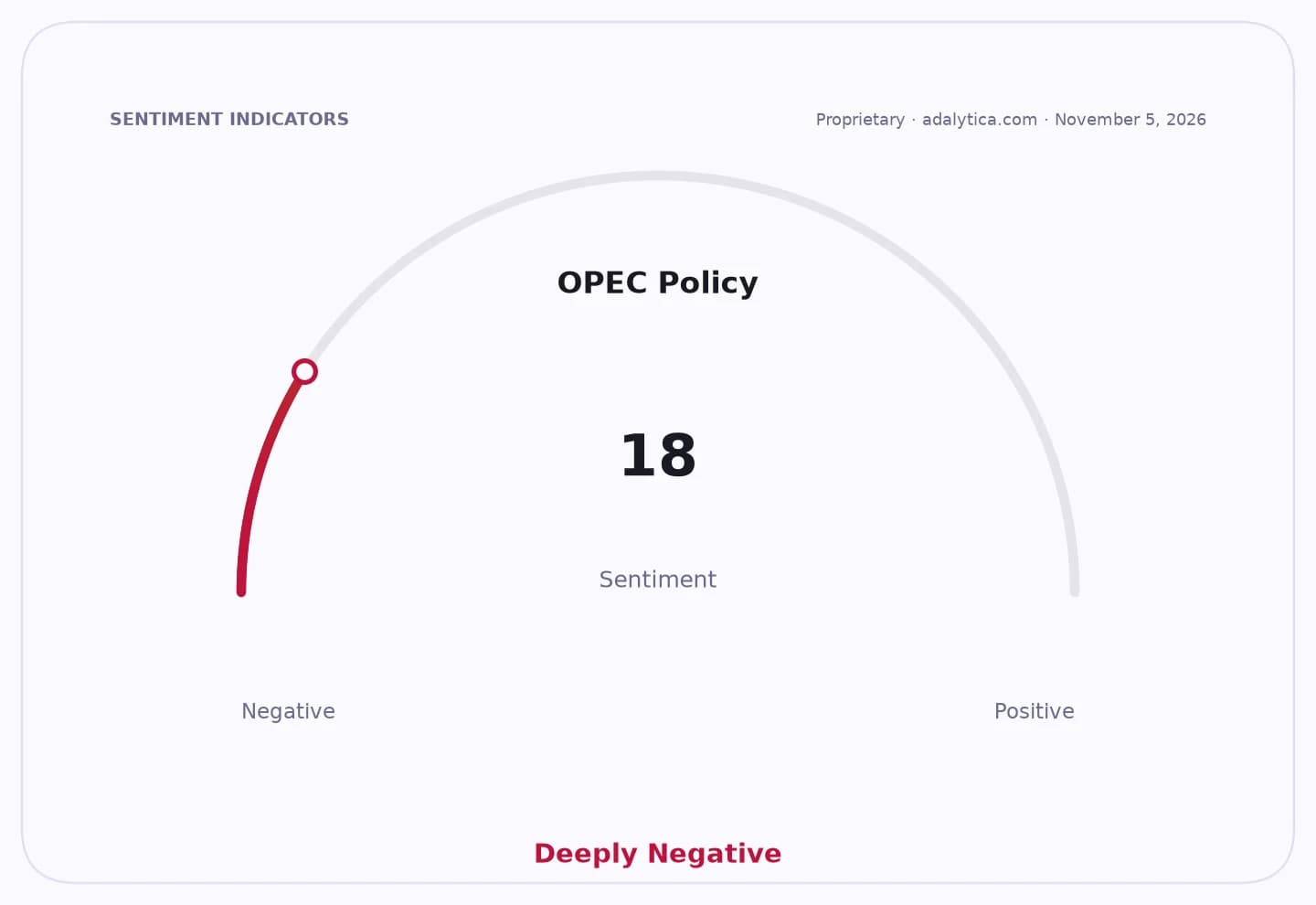
The most important thing investors should take from Denmark’s retreat from North Sea production is that it does not change the world’s dependence on oil and gas — it simply shifts output to other producers.
Denmark North Sea Retreat and Oil Producer Stocks
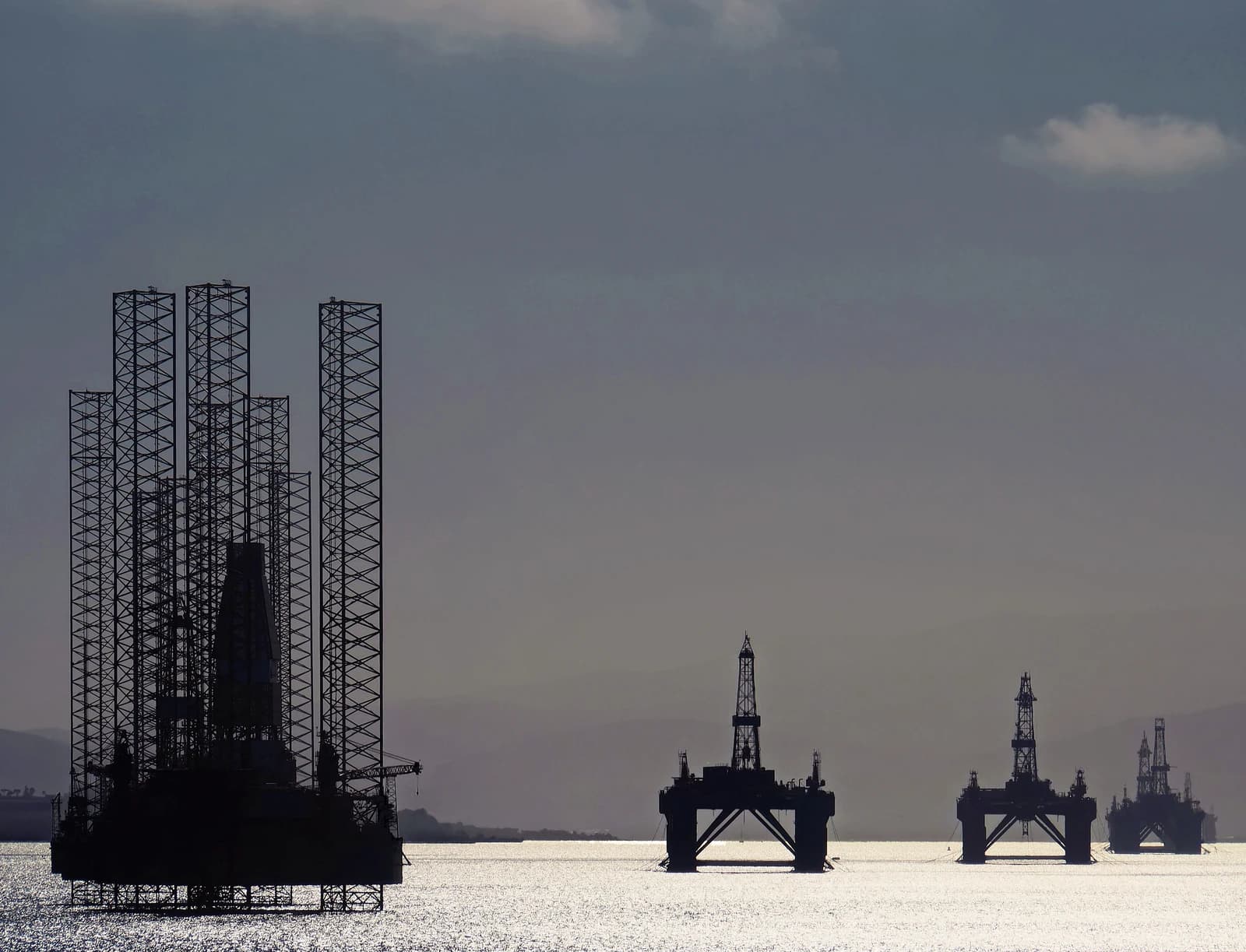
That matters because energy markets are set by global marginal supply, not by virtue signaling at the country level. When one mature basin shuts in production, barrels do not disappear from the economy; they are replaced, often by higher-cost or geopolitically riskier supply elsewhere. For oil bulls, that is the real thesis: the world still needs crude, and disciplined supply growth remains the key driver of prices, cash flow and capital returns.
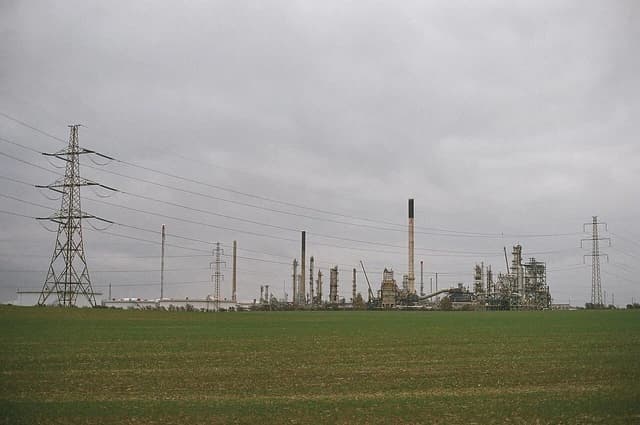
That is why the market continues to reward the large integrated producers even as Europe leans harder into decarbonization. Exxon Mobil and Chevron have both traded well above their 200-day moving averages this year, while Occidental Petroleum remains a leveraged bet on higher oil and tighter upstream supply. The stocks are volatile, but the longer-term setup is clear: if policy constrains new investment in legacy basins faster than demand falls, the winners are the companies with scale, assets and balance sheets that can survive and profit through the transition.
The economics are straightforward. Global crude prices have been supported by geopolitical risk in the Strait of Hormuz, where tanker attacks and mine incidents have kept a floor under the market even as ample supply expectations and rising U.S. inventories cap the upside. Brent and WTI have also been sensitive to Russia’s export flows and to the broader balance between supply discipline and demand resilience. In that environment, every barrel lost to policy-driven decline in a mature basin strengthens the bargaining power of remaining producers.
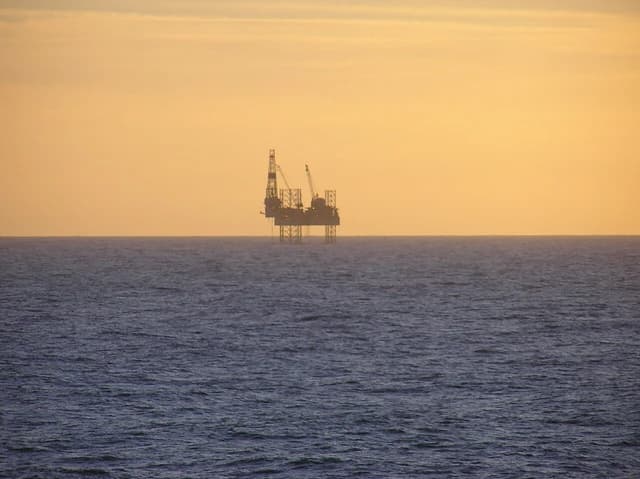
The recent price action in the oil patch reflects exactly that tension. Exxon shares have pulled back sharply from their recent highs, with the stock still above both its 50-day and 200-day moving averages but its RSI readings in oversold territory after the latest selloff. Chevron has also cooled from an extended run, while Occidental has given back a chunk of its earlier gains. None of that changes the underlying setup: the sector is being repriced, not broken. For long-term investors, that can create an entry point if the market is underestimating how sticky oil demand remains.
The fundamental case is reinforced by the latest filings. Exxon reported a loss on financial reserves partly offset by asset sales, while Chevron’s international upstream earnings rose on better realizations and higher sales volumes. Occidental also showed the leverage that still exists in a higher-price environment, with oil and gas segment earnings strengthening as realizations improved. Those results are what happen when the market underestimates how much cash the majors can generate even without rapid demand growth.
This is why Denmark’s production decisions matter less than many activists assume. The real question is not whether one country stops pumping; it is whether the world has built enough alternatives to reduce demand for the molecules themselves. Until that happens, supply will keep getting rerouted, prices will keep responding to geopolitical shocks, and integrated producers will remain the toll roads of the energy system.
For investors, the actionable takeaway is simple: use policy-driven noise to own the companies with low-cost reserves, upstream scale and shareholder return capacity. Exxon and Chevron are the core holdings for that thesis, while Occidental offers higher-beta upside if oil stays elevated. The world may talk about ending fossil fuel dependence, but the market is still pricing the opposite: persistent demand, constrained supply and attractive cash generation for the best-positioned producers.
| Entity | Gains | Losses |
|---|---|---|
| Exxon Mobil | ▲Higher-for-longer oil cash flow | ▼Policy-driven sentiment swings |
| Chevron | ▲Stronger upstream realizations | ▼Global demand-transition headlines |
| Occidental Petroleum | ▲Leverage to oil upside | ▼Volatile price action |
| Denmark North Sea output | ▲Lower domestic production footprint | ▼Lost barrels, less influence |