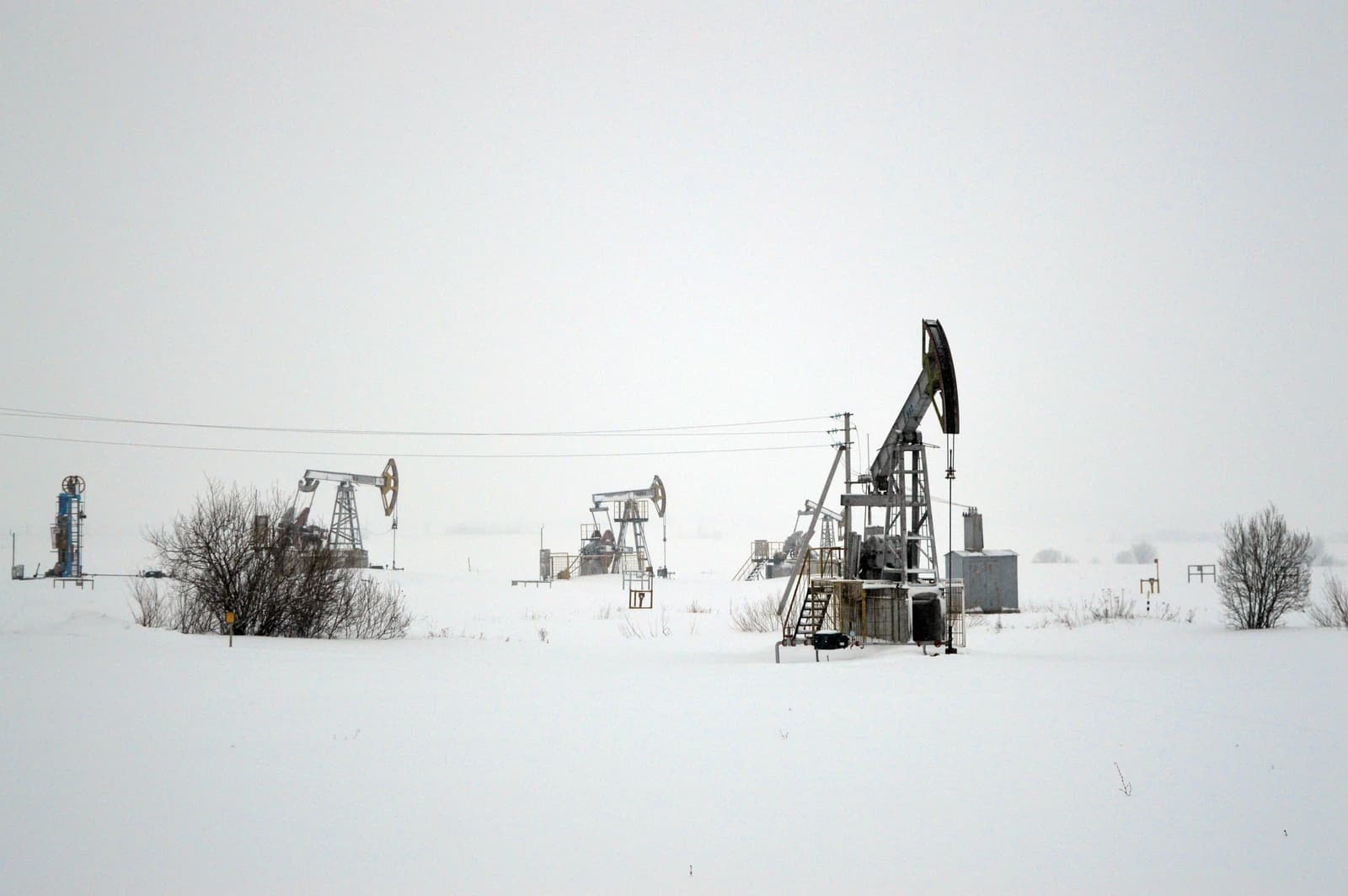
Brent crude is holding near $89 a barrel even as attacks on tankers in the Strait of Hormuz keep the Middle East risk premium alive, a sign that traders still see ample supply and weak demand as the bigger force in the market.
Brent crude holds near $89 despite Hormuz attacks
The pricing backdrop matters because it shows how geopolitical shocks are losing their ability to sustain a durable rally unless they translate into actual lost barrels. Brent has been whipsawing on headlines around U.S.-Iran tensions and shipping disruptions, but the latest move suggests the market is increasingly treating those events as temporary rather than structural. In parallel, benchmark U.S. crude inventories and expectations of a broader supply surplus are capping upside, keeping oil far below the extremes seen during previous Gulf crises.
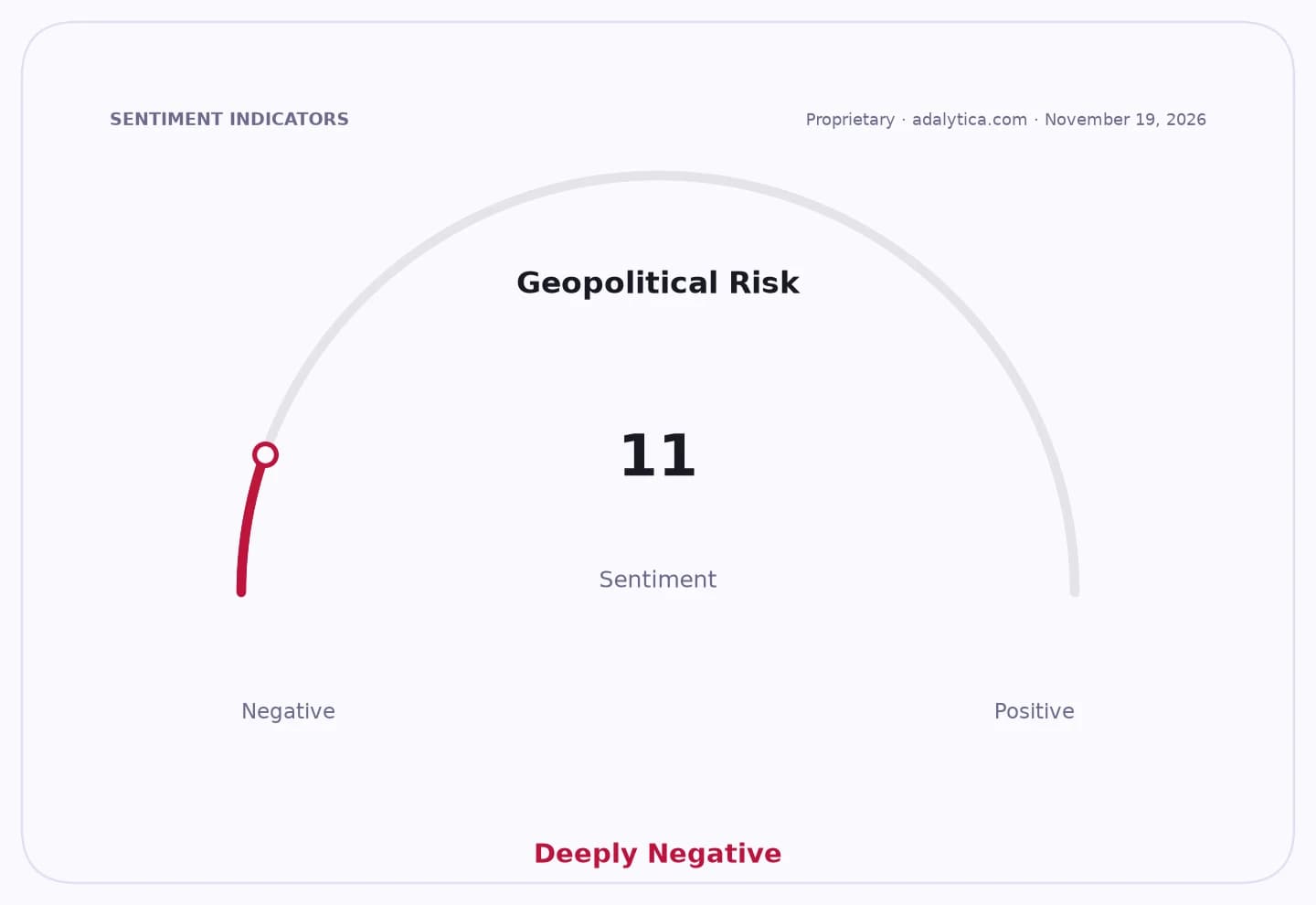
Sentiment Indicators
Geopolitical Risk
That balance is reflected in recent trading. Brent has hovered around the high-$80s to low-$90s range, while WTI has been similarly contained, even after tanker attacks and renewed fears over the safety of maritime routes through Hormuz. The market’s reaction is striking given how sensitive oil is to the passage of roughly a fifth of the world’s seaborne crude. Instead of a sustained spike, prices have quickly given back gains once immediate shipping fears ease.
The macro signal is important for inflation, rates and energy equities. A persistent move higher in crude would feed into transportation and refining costs, complicating the Federal Reserve’s effort to cool inflation. Instead, stable oil prices reduce the chance of a fresh energy-led inflation shock and support the case for a slower path in yields. The 10-year U.S. Treasury yield, around 5.1%, shows that bond markets are still pricing a restrictive policy environment, but not one being driven higher by an oil-price surge.
For investors, the message is mixed. Integrated producers such as Chevron and Exxon Mobil still benefit from any headline-driven spikes, but the inability of Brent to hold gains argues for caution on assuming a lasting windfall. Refiners, airlines and other fuel-sensitive sectors get some relief from the absence of a true supply shock. Exchange-traded products tied to crude, including USO and BNO, remain vulnerable to sharp sentiment swings, but the broader pattern points to a market that is trading geopolitics without fully pricing a disruption.
Adalytica’s oil trade signals show sentiment at “Extreme Greed” for WTI, but the same snapshot puts awareness at “Extreme Fear,” a combination that captures the current market tension: investors are alert to escalation, yet reluctant to price in a lasting shortage. That split also fits the broader global stability gauge, which remains deeply risk-averse.
For now, the story is less about imminent shortage than about the market’s willingness to look through repeated shocks. Unless attacks begin to curtail flows or wider conflict closes routes, Brent is likely to remain constrained by inventories and the prospect of oversupply.
| Entity | Gains | Losses |
|---|---|---|
| Oil consumers | ▲Lower fuel costs | ▼Less upside hedge protection |
| Producers / integrated majors | ▲Brief risk premiums | ▼Durable price breakout |
| Refiners / airlines | ▲Cheaper input costs | ▼Weaker refining margin lift |
| Geopolitical bulls | ▲Volatility trading opportunities | ▼Credibility of supply-shock thesis |