Brent crude fell below $92 a barrel as a bigger-than-expected build in U.S. crude and fuel inventories revived worries that the global oil market is moving into surplus despite ongoing disruptions in the Middle East.
Brent crude falls below $92 on inventory build
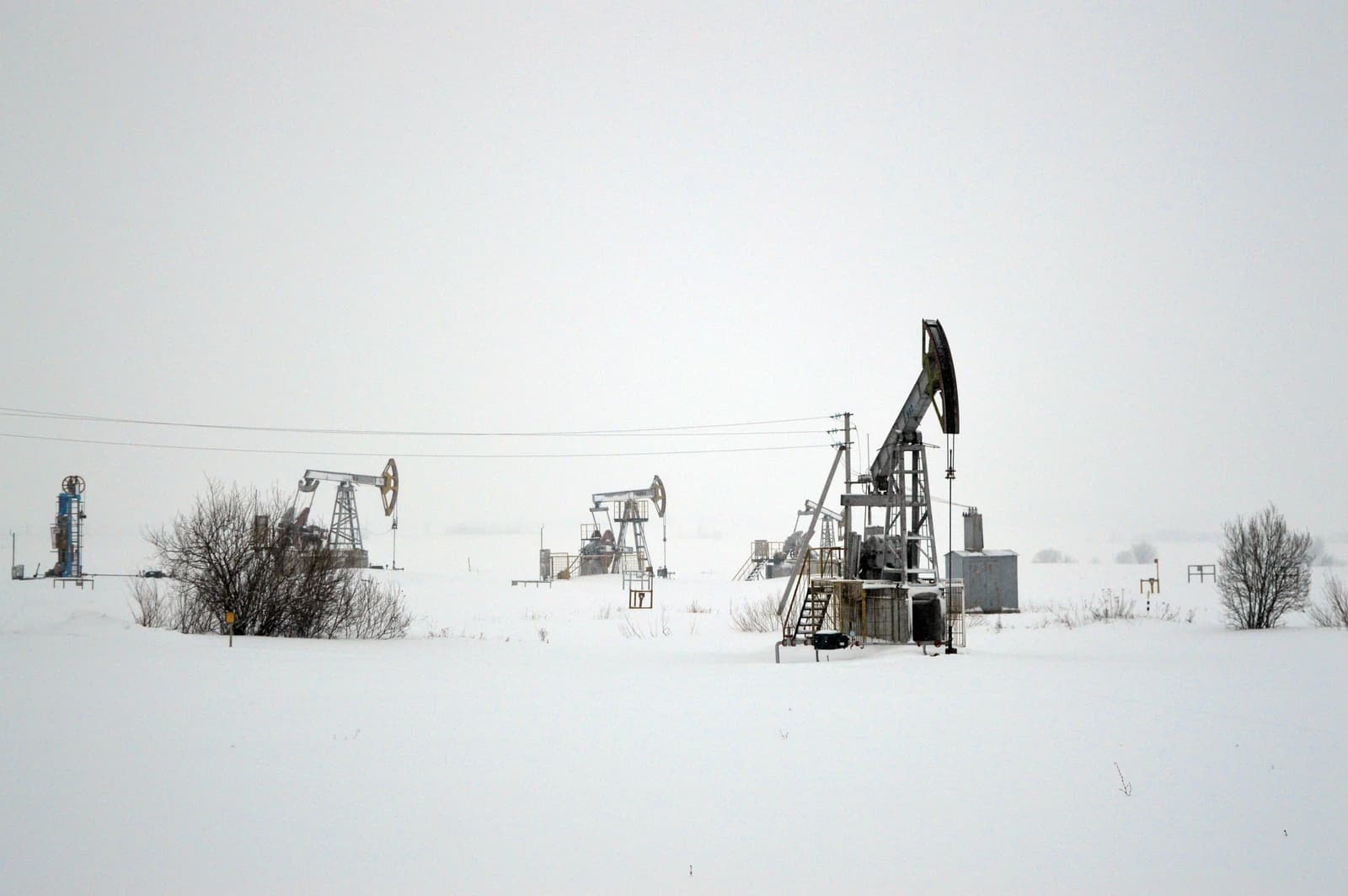
The benchmark settled at $91.95 on Wednesday, down $1.19, while U.S. West Texas Intermediate dropped 3.2% to $83.26, its lowest since late August. The sharper decline in WTI widened the Brent premium and underscored how quickly the market is repricing near-term supply as exports from the Middle East rise and U.S. stockpiles swell.
Sentiment Indicators
The immediate trigger was the Energy Information Administration’s report showing U.S. crude inventories rose 3.4 million barrels to 417.8 million barrels in the week to Nov. 13, far above Reuters-poll expectations for a 58,000-barrel increase. Gasoline stocks climbed 5.2 million barrels, also far beyond forecasts, while distillates rose 1.6 million barrels. That combination points to softer domestic demand, strong supply, or both — and it matters because inventory data often sets the tone for crude prices more than headline geopolitics when the market is already well supplied.
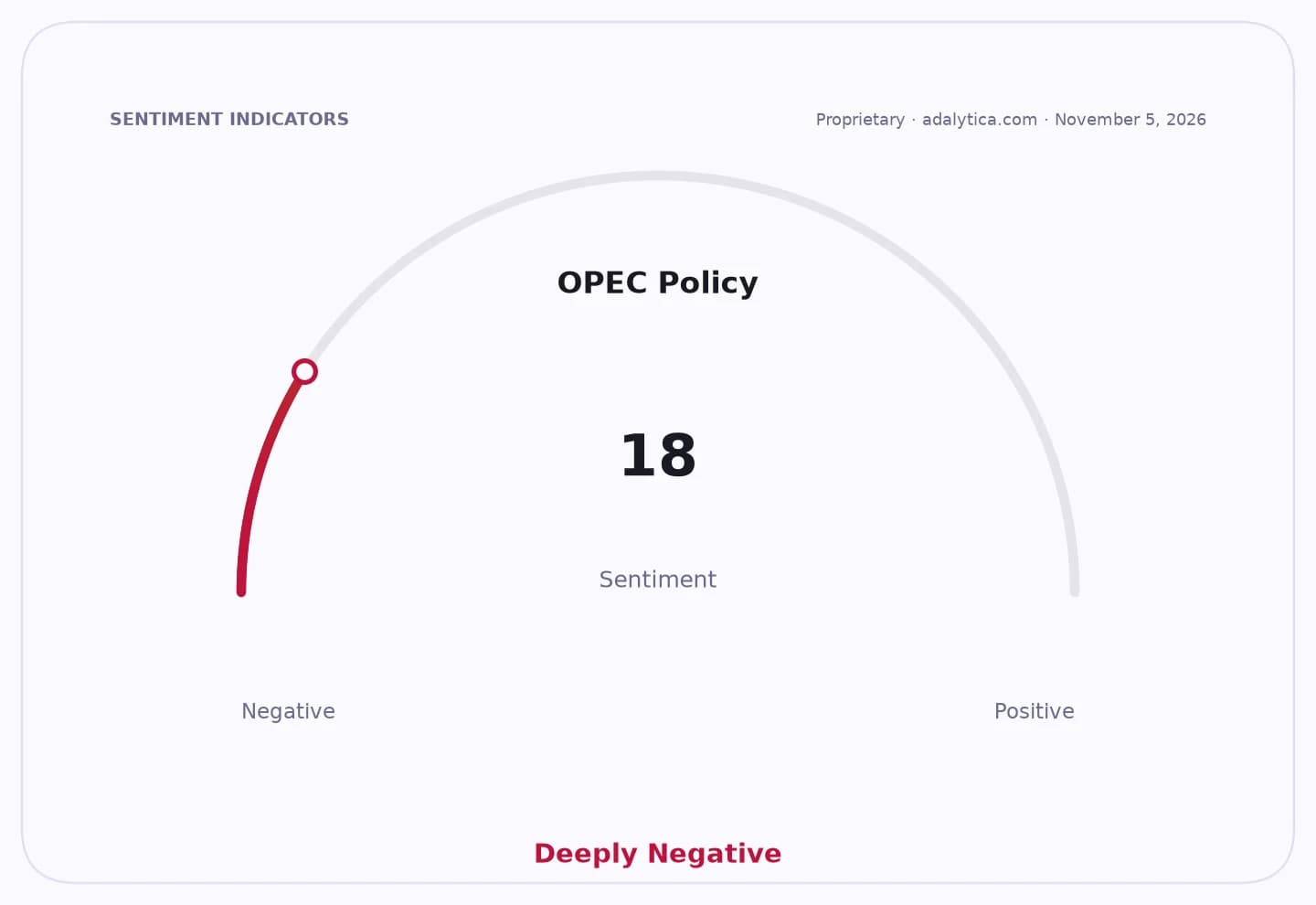
For investors, the move reinforces the argument that risk premiums tied to the Iran conflict and shipping attacks are being overwhelmed by physical market fundamentals. Brent and WTI are on track for monthly losses of about 20%, a severe reset that would pressure producers, narrowing margins for independent shale operators and limiting the upside for energy equities unless supply is cut or demand improves. The drop also has spillover effects for oil-linked currencies, high-yield credit tied to the sector and inflation expectations, which tend to ease when crude retreats.
The speed of the decline also shows how fragile the market’s support has become. Tanker rates have fallen sharply from recent highs, suggesting the shipping disruption premium is fading even as attacks continue in the Gulf. The Brent-WTI spread widened to a two-week high on Tuesday, and analysts said the weaker WTI was partly a correction needed to restore economics for exports from the U.S. Gulf Coast to Asia and northwestern Europe. Bigger crude inventories on the Gulf Coast are adding to that pressure.
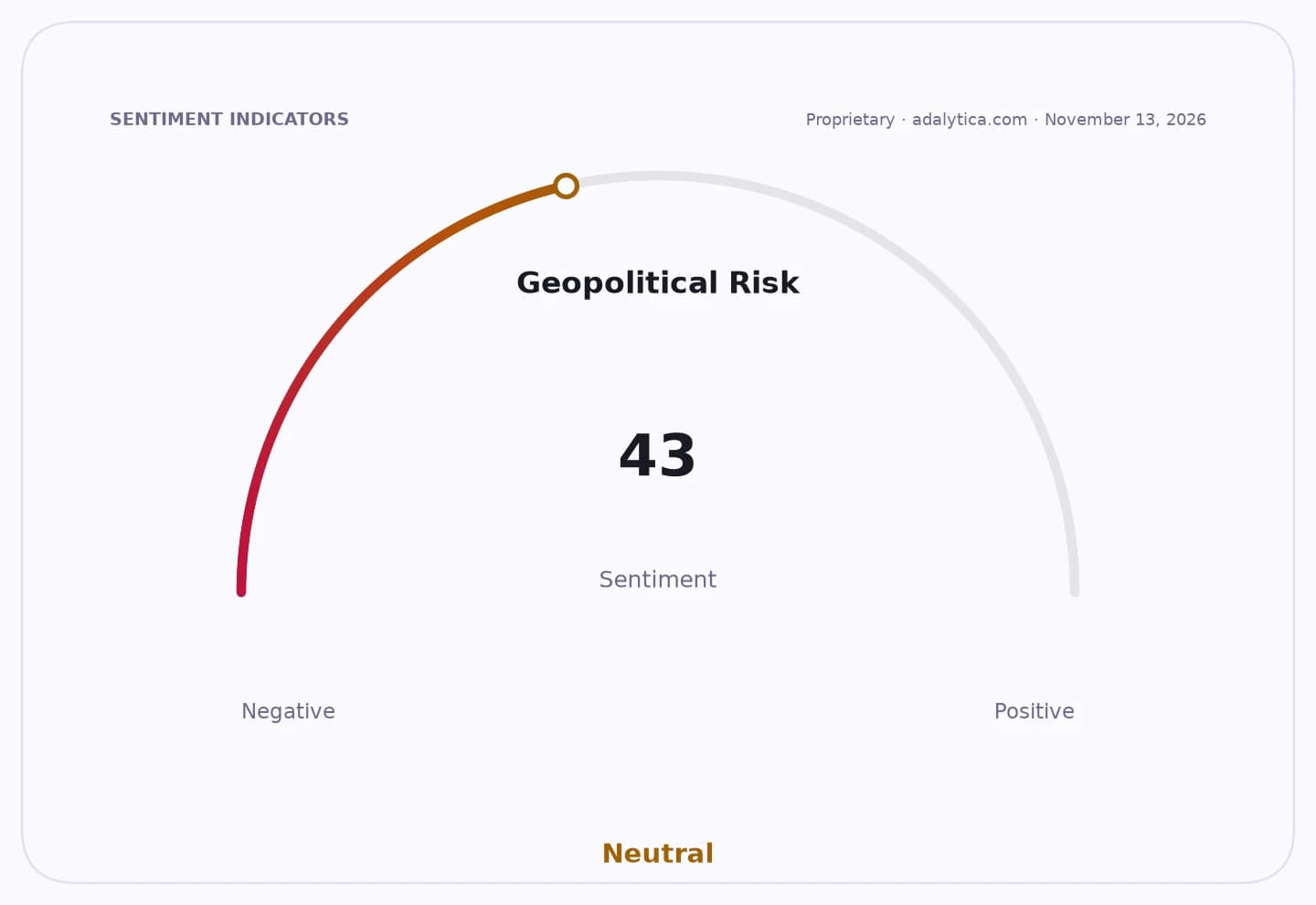
Geopolitical risks have not disappeared. Iran said it carried out strikes on U.S. drone and missile sites in Kuwait after a U.S. attack on Qeshm island near the Strait of Hormuz, while Bahrain said it intercepted Iranian attacks. ADNOC Logistics & Services said a crew member was missing and 11 were injured after one of its vessels was hit in the Strait. The Houthis also said they targeted Saudi Arabia’s East-West pipeline, a reminder that key supply routes remain vulnerable. But so far, those threats have not been enough to offset the market’s growing conviction that available barrels are outpacing consumption.
The broader narrative is that oil is shifting from a geopolitically supported rally to a market dominated by surplus fears. Unless Middle East disruptions materially interrupt exports, or U.S. inventories reverse quickly, crude prices look vulnerable to further downside, with energy producers and traders facing a less forgiving backdrop into year-end.
| Entity | Gains | Losses |
|---|---|---|
| Oil consumers | ▲Lower fuel costs | ▼None |
| Refiners | ▲Cheaper crude input | ▼Weaker product margins if demand softens |
| U.S. shale producers | ▲None | ▼Lower realized prices |
| Energy equities | ▲None | ▼Multiple compression, earnings pressure |