Switzerland is choosing continuity over a hard deadline on oil and gas, and that matters because it leaves the country’s energy transition to be guided by existing laws rather than a new, standalone phaseout timetable.
Switzerland Keeps Energy Transition on Existing Laws
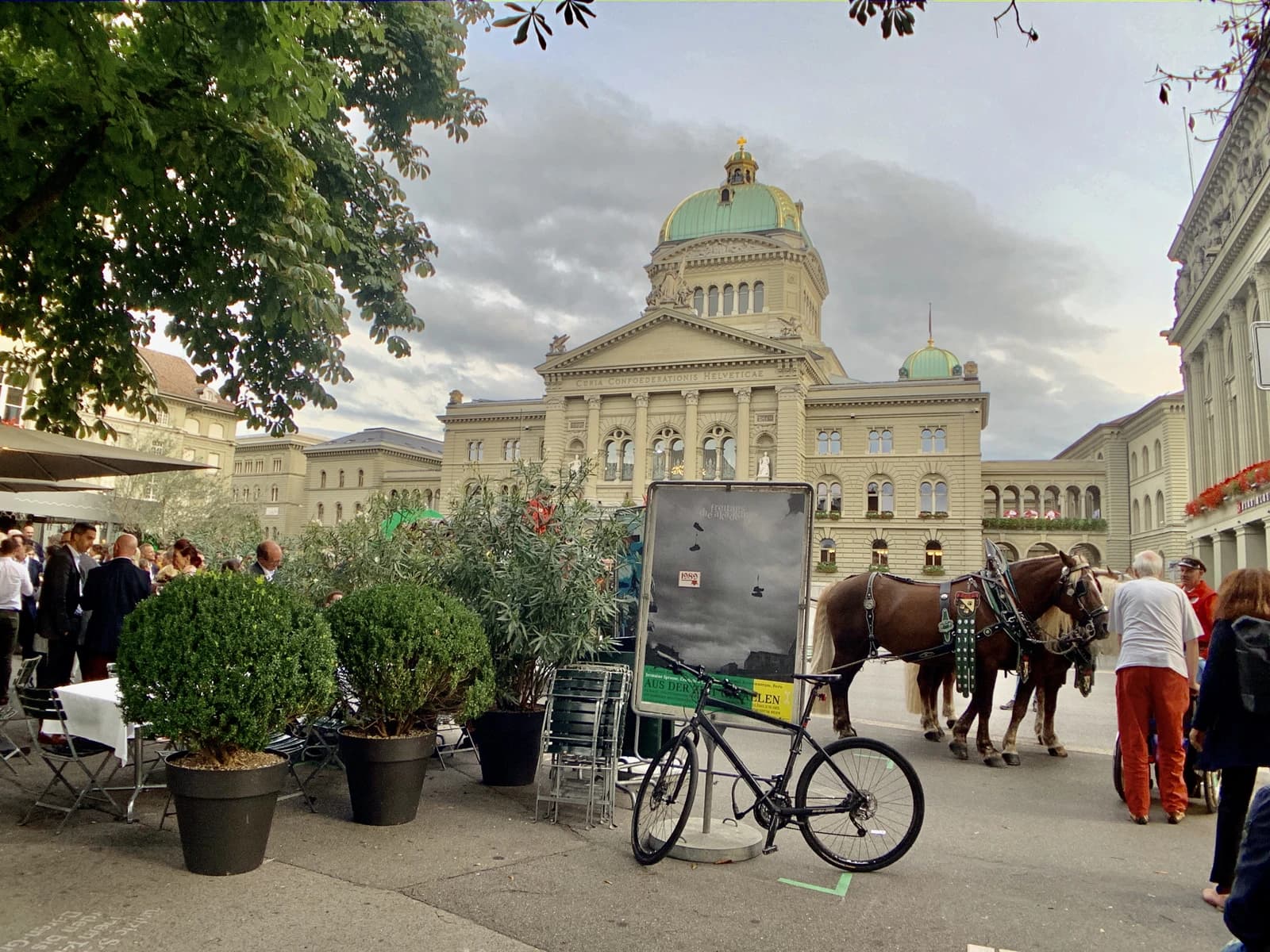
Energy Minister Albert Rösti’s decision to forego a separate schedule for winding down fossil fuels reduces near-term regulatory pressure on households, utilities and industry, but it also removes a clearer policy signal for investors trying to model the speed of Switzerland’s shift toward clean power. For long-term capital, the difference is important: transitions are easier to finance when the rules are explicit, but they can also become more politically durable when they are built into existing legislation instead of headline-grabbing targets that may be easier to reverse.
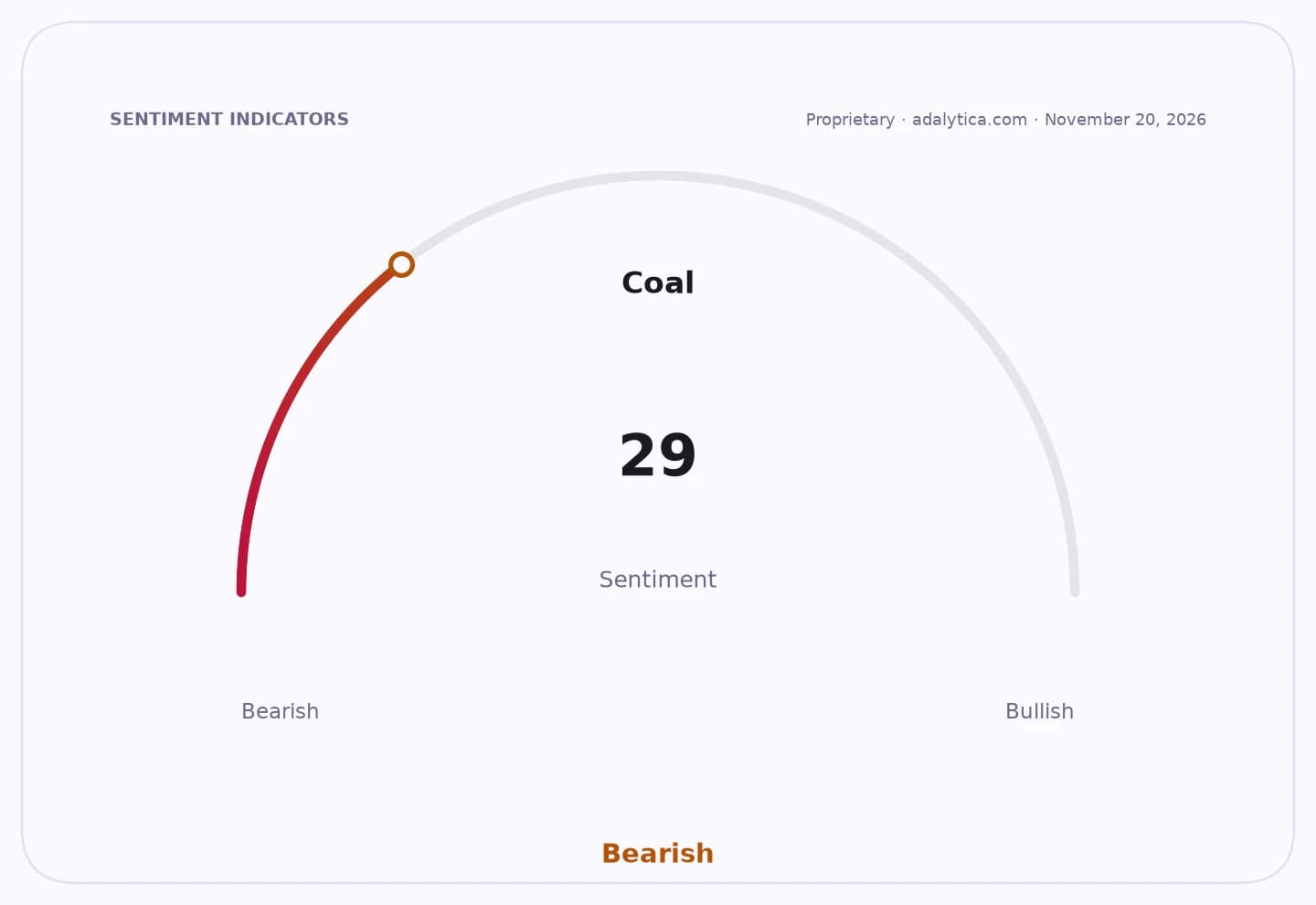
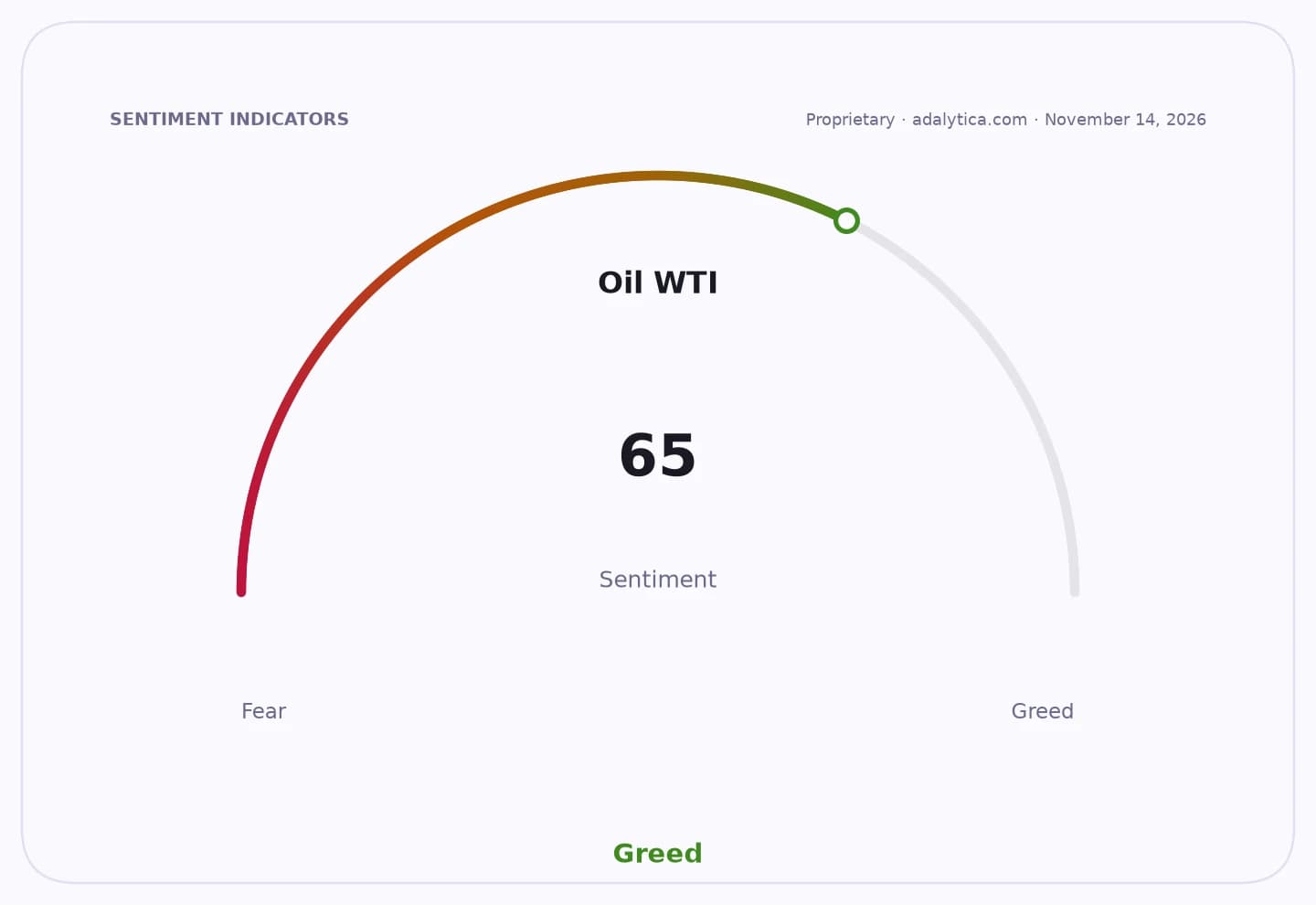
Sentiment Indicators
That makes the move relevant well beyond Bern. Switzerland still needs to secure supply, curb emissions and manage electricity demand in a way that does not shock consumers or heavy industry. By leaning on the current legal framework, the government is effectively betting that incremental change will be more workable than a bespoke fossil-fuel sunset. The upside is lower policy risk for businesses exposed to energy costs and supply security. The downside is that the clean-energy buildout may proceed more unevenly, with fewer blunt mandates to force change quickly.
For investors, the immediate question is not whether the energy transition continues — it does — but how predictable that path will be. Companies with exposure to renewable generation, grid upgrades and electrification can still benefit if Switzerland keeps approving projects under the existing rules. But the absence of a separate timetable could slow the pace of capital deployment by making the policy outlook less transparent. In other words, this is less a reversal than a reminder that energy policy can move by accretion, not only by decree.
The broader market backdrop reinforces that caution. Global stability sentiment tracked by Adalytica sits in fear territory, a sign that investors remain sensitive to policy and geopolitical uncertainty. In that kind of environment, governments often favor practicality over ambition. That does not eliminate the investment case for clean energy; it simply pushes the payoff further out and makes execution more important than rhetoric.
For renewable developers and long-duration infrastructure names, the takeaway is straightforward: Switzerland is still a market to watch, but the path forward now looks more gradual and less prescriptive. Investors should expect policy progress, not a dramatic break, and that usually favors patient capital with a multi-year horizon.
| Entity | Gains | Losses |
|---|---|---|
| Swiss households and industry | ▲Lower policy disruption | ▼Slower fossil-fuel exit |
| Renewable developers | ▲Continued project pipeline | ▼Less urgent mandate |
| Fossil-fuel users | ▲More regulatory breathing room | ▼Longer-term transition pressure |
| Long-term investors | ▲Clearer reliance on existing law | ▼Fewer near-term policy catalysts |