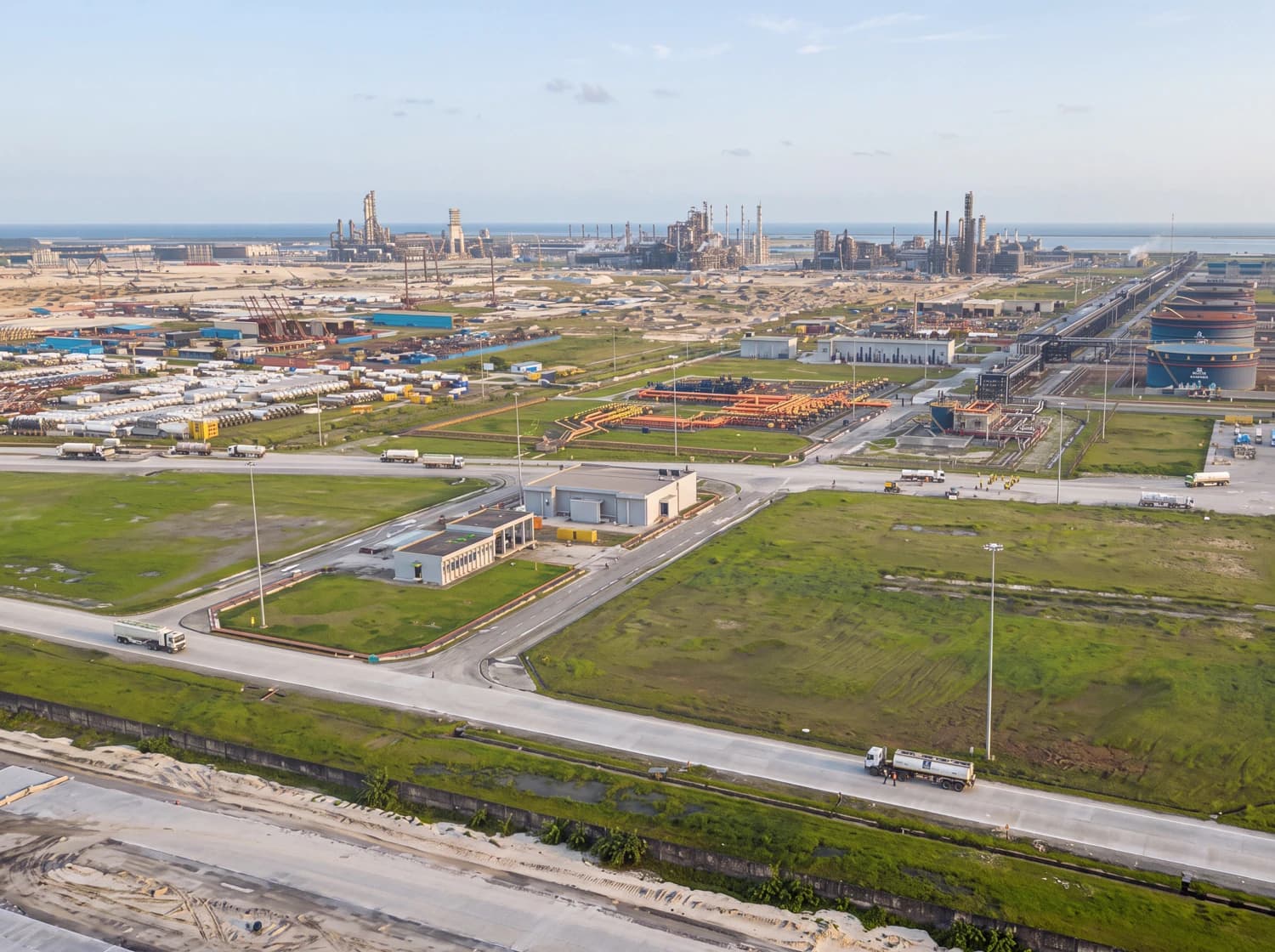
Dangote Petroleum Refinery has cut its petrol gantry price to N1,070 a litre, the lowest level in four months, in a move that could intensify competition in Nigeria’s downstream fuel market and set the tone for further pump-price adjustments.
Dangote Refinery Cuts Petrol Gantry Price to N1,070
The latest reduction, which takes the refinery’s ex-depot rate down from N1,130 announced on Nov. 18, extends a series of price cuts that began after Dangote reverted to an EBOB-linked pricing structure. Market checks by Petroleumprice.ng show the new level is now below the N1,165 seen in August and well beneath the N1,200-plus prices recorded earlier in the quarter, when the refinery briefly pushed petrol as high as N1,300 a litre after switching to fixed-naira pricing.
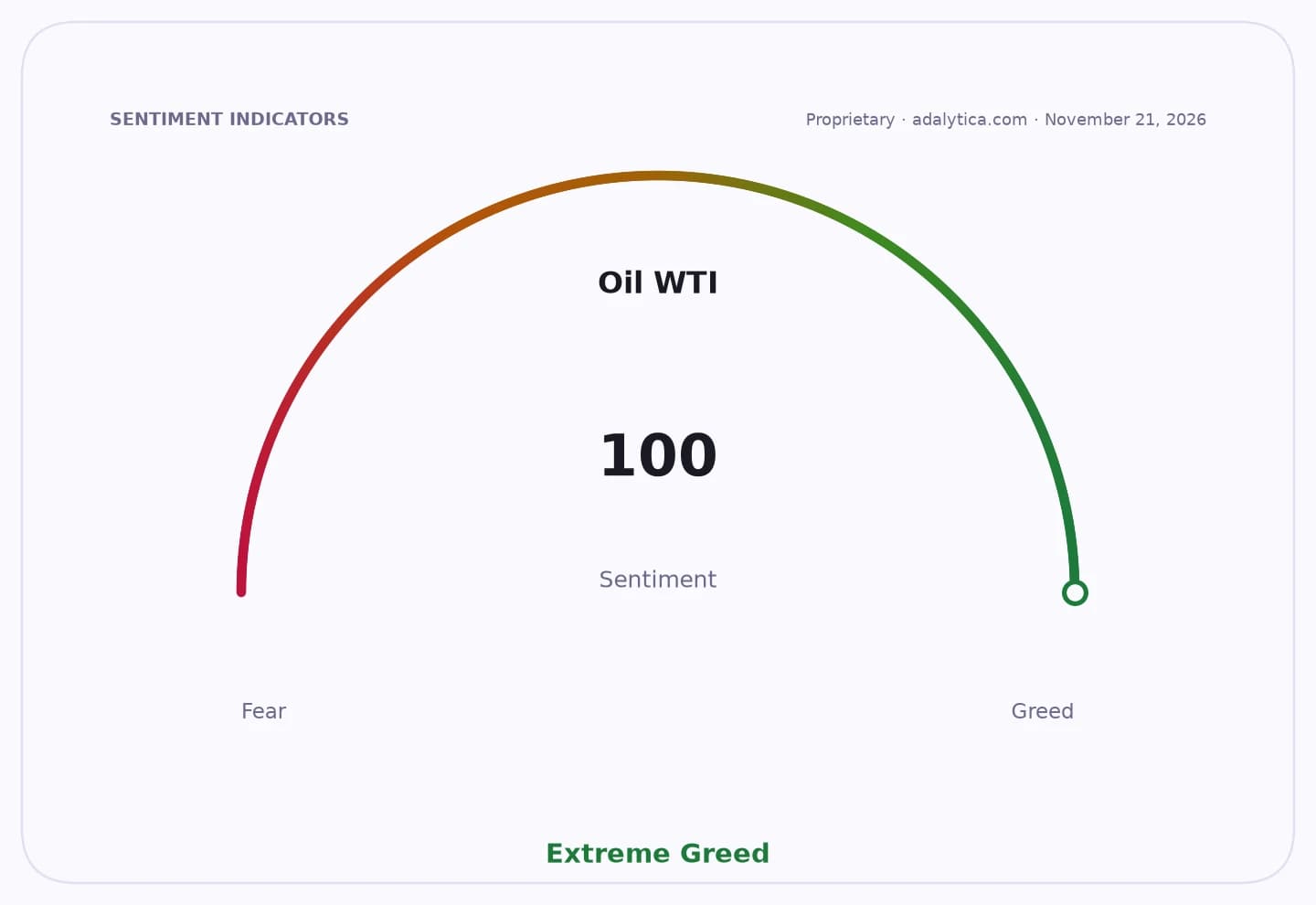
Sentiment Indicators
For Nigeria, the move matters because Dangote has become the benchmark price setter in a market still heavily dependent on imported refined products and fragile distribution economics. A lower gantry price can squeeze margins for fuel marketers and independent depot operators, but it also raises the odds of some pass-through to consumers if freight, storage and financing costs do not offset the cut. That makes the refinery’s pricing decisions a direct input into transportation costs and, by extension, inflation expectations in Africa’s largest oil producer.
The timing also reflects the broader oil backdrop. Brent was trading around $91.67 a barrel and WTI at $82.58 in the latest market snapshot, still below the kind of peaks that typically force sharp downstream repricing. Yet crude remains caught between tighter supply risks around the Strait of Hormuz and a looser global balance shaped by stronger OPEC+ output, resilient Russian exports and rising US inventories. That combination gives refiners more room to trim prices even as geopolitical risk keeps a floor under the market.
Analysts have warned that further disruptions around the Strait of Hormuz could lift crude again, but for now the supply picture looks comfortable enough to support lower product prices. For Dangote, that creates an opening to defend market share and maintain throughput at the refinery. For rivals, it raises the pressure to match pricing or risk losing volume.
The key question for investors and consumers is not whether the gantry price has fallen, but how much of that reduction reaches filling stations. If marketers pass through the cut, the change could ease fuel costs across the economy. If distribution charges and retail markups absorb most of it, the benefit may be muted, even as competition in Nigeria’s fuel sector intensifies.
| Entity | Gains | Losses |
|---|---|---|
| Dangote Petroleum Refinery | ▲Higher market share | ▼Margin compression |
| Fuel marketers | ▲Lower procurement cost | ▼Squeezed resale spreads |
| Nigerian consumers | ▲Potentially cheaper petrol | ▼Limited pass-through risk |
| Rival depots/importers | ▲Pressure to match prices | ▼Lost volume and pricing power |