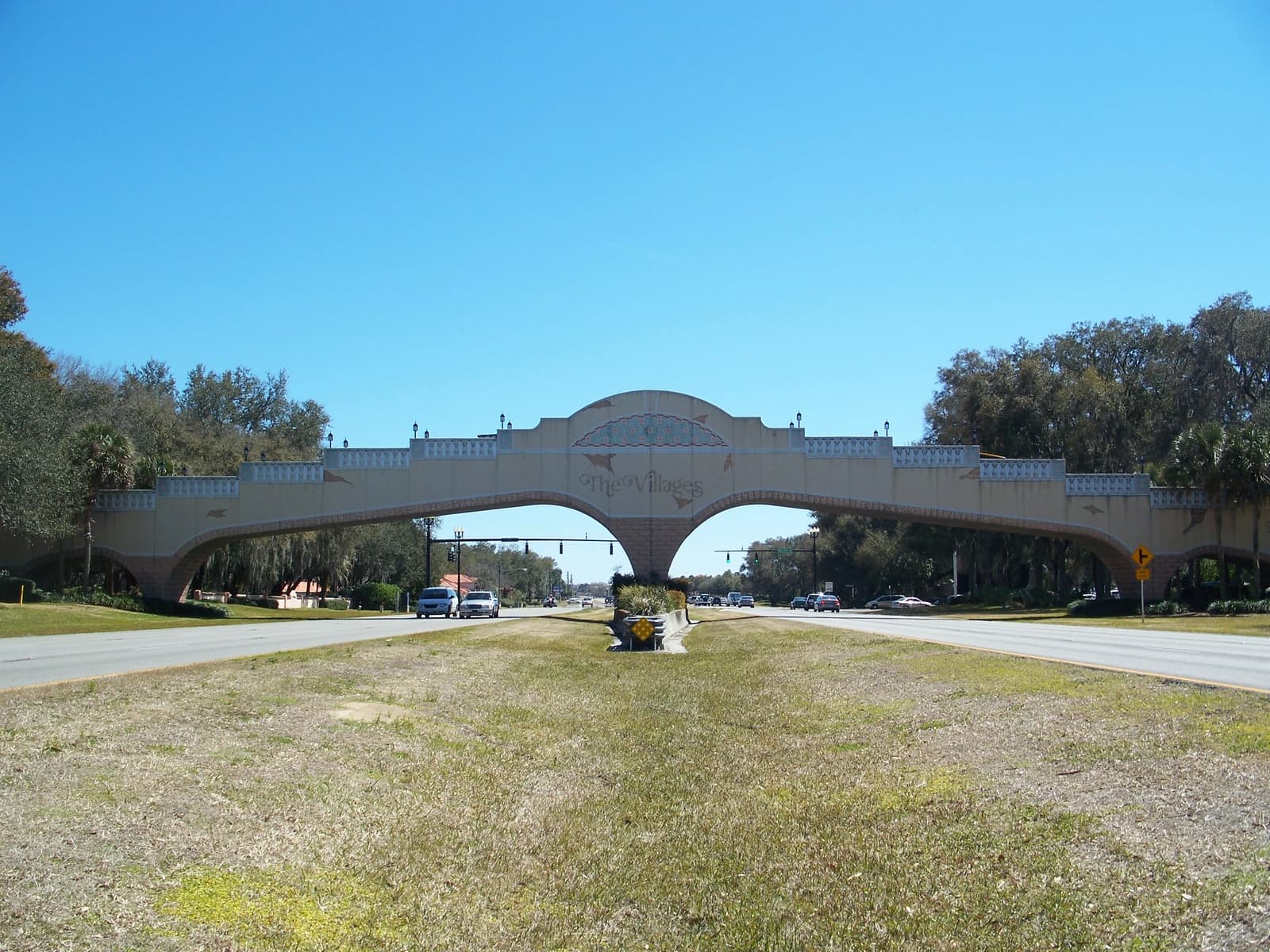
Daytona Beach’s condo-rental market is being defined by abundant supply, bargain entry prices and a wave of post-storm rebuilding that is keeping many units on the market even as demand for coastal getaways stays resilient.
Daytona Beach condo rentals face heavy supply
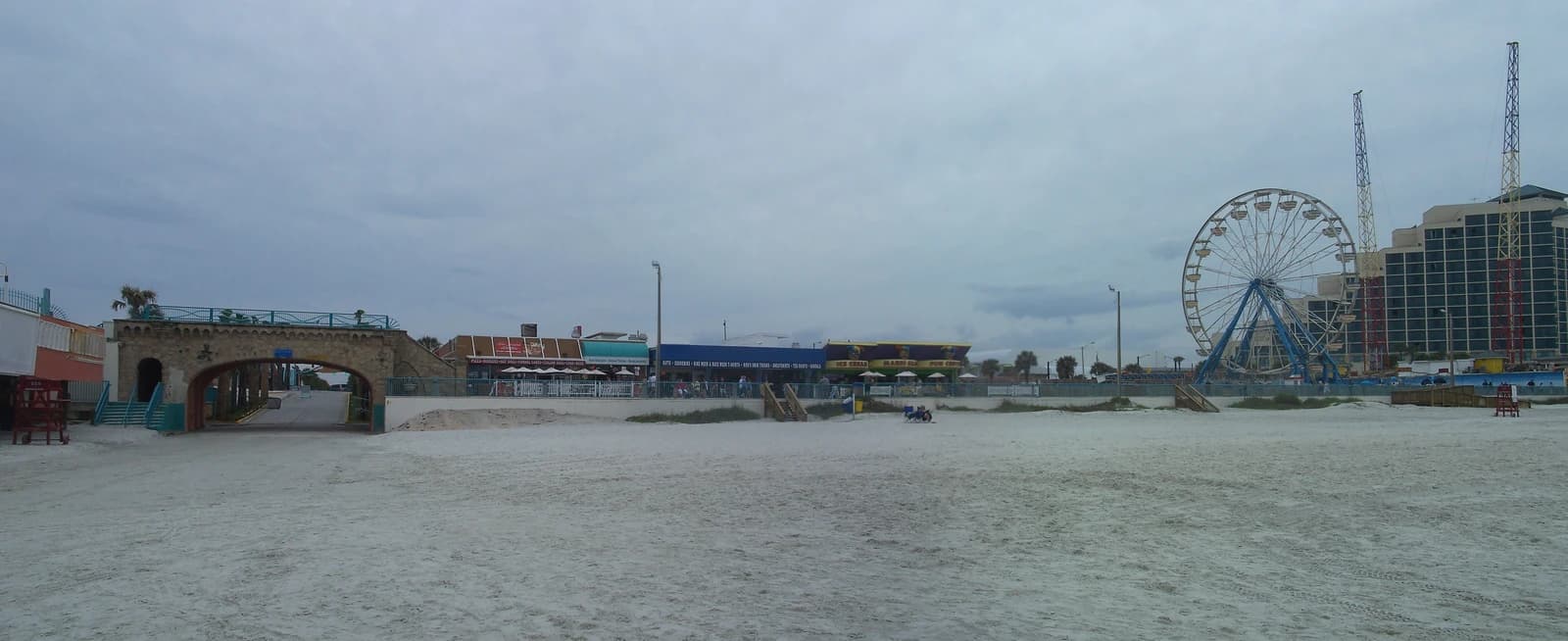
The biggest economic story is not scarcity but competition. Airbnb-style listings show 1,520 vacation rentals in Daytona Beach, with nightly rates starting at $50 before taxes and fees, and an average guest rating of 4.7 out of 5 across more than 43,670 verified reviews. That scale matters because it points to a mature, heavily supplied short-term rental market where owners are competing on price, amenities and location rather than on exclusivity. For travelers, the result is better value and more choice. For owners, it means thinner margins and a greater need to keep occupancy high.
Sentiment Indicators
The inventory also skews toward amenity-rich product that looks more like hospitality than simple housing. Nearly all listings advertise Wi-Fi, 1,440 have pools and 730 include dedicated workspaces, while family-friendly units account for 680 properties. The most sought-after condos lean on oceanfront views, private balconies, pools, gyms and on-site dining — features that support premium pricing, but only if owners can keep properties fresh and operational. In a market where beach access and walkability are core selling points, differentiation increasingly comes from renovation and resort-style services.
That is where the storm-repair backdrop becomes economically important. Several highlighted condos note ongoing refurbishment after hurricane damage, with some amenities reopened and others still under construction. That suggests the market is still absorbing the costs of coastal weather volatility, even as units return to service. For investors, that is a double-edged setup: renovation can restore earning power and lift rates, but it also delays cash flow and raises maintenance expense. In a supply-heavy market, condos that can reopen faster and market fully restored amenities may capture share from slower competitors.
The broader housing context also reinforces the tension between tourism demand and property economics. U.S. housing starts have been choppy, while home prices remain elevated by historical standards, underscoring how costly ownership remains even before insurance, repairs and financing are added. At the same time, the unemployment rate near 4.2% suggests a still-stable labor market, which helps support discretionary travel spending. That is favorable for short-term rentals, but not enough to offset every cost pressure facing condo owners along the coast.
Publicly traded residential landlords do not map perfectly onto Daytona Beach’s vacation-condo market, but the sector backdrop is still relevant. Apartment REITs such as AvalonBay and Equity Residential have shown that occupancy can remain solid while rental growth moderates, a pattern consistent with a competitive housing landscape. In short-term rentals, the equivalent risk is even sharper: when supply is high, pricing power can evaporate quickly if demand softens or if nearby units undercut rates.
For investors, the key question is whether Daytona Beach’s condo-rental market can sustain returns after insurance, repairs and operating costs. The answer will depend on occupancy, refurbishment speed and whether owners can keep amenity-heavy units competitive against a large pool of low-cost alternatives. If travel demand holds, beachfront condos with strong reviews and full resort amenities should remain the winners. If not, the lowest-priced units may capture volume while leveraged owners and unfinished properties feel the squeeze.
| Entity | Gains | Losses |
|---|---|---|
| Travelers | ▲Lower nightly rates | ▼Less exclusivity |
| Condo owners | ▲Strong occupancy in top units | ▼Margin pressure |
| Renovated beachfront listings | ▲Premium pricing power | ▼None of note |
| Delayed repair properties | ▲Future upside after reopening | ▼Lost rental income |