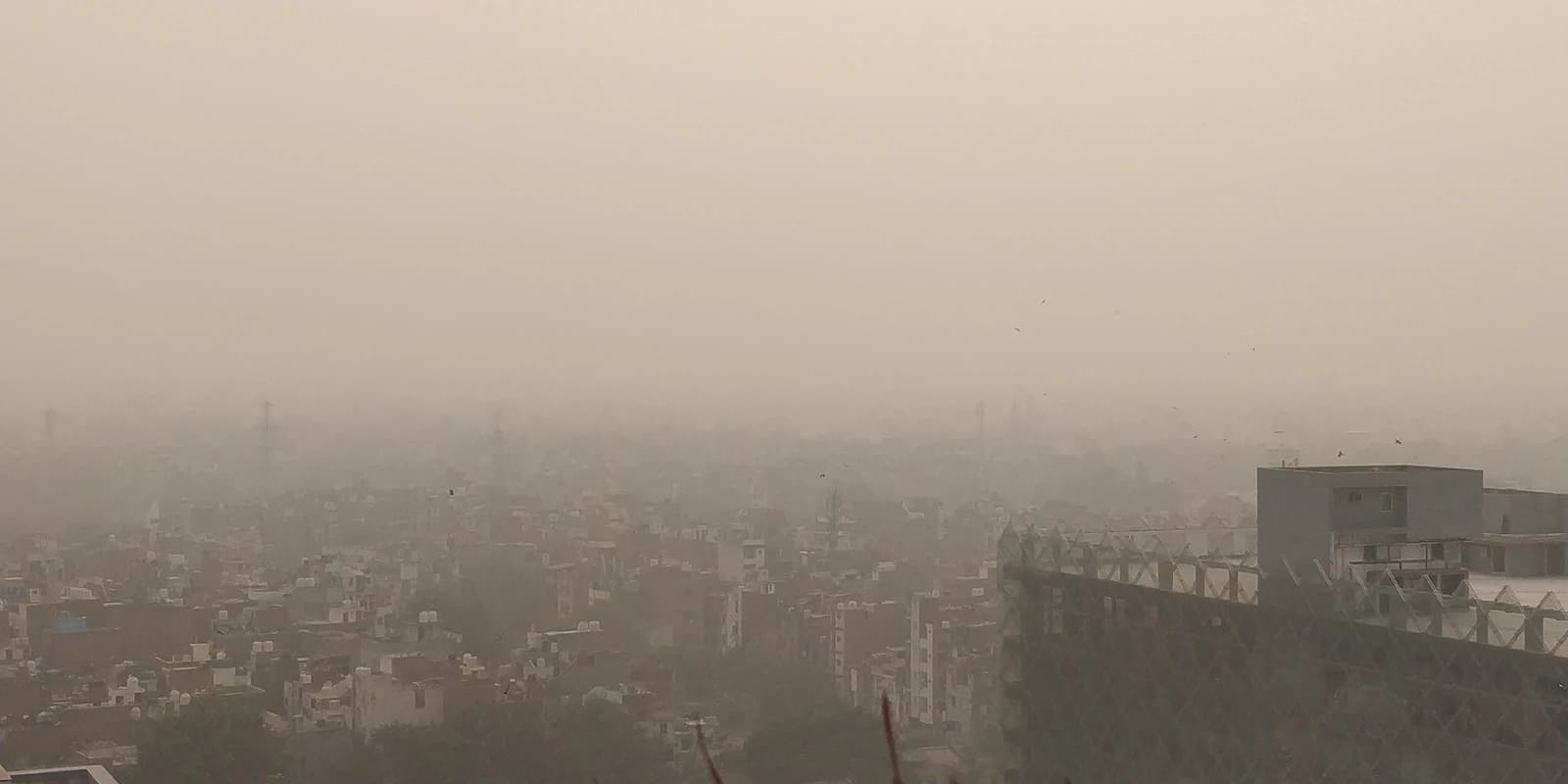
Delhi’s move to impose GRAP Stage III restrictions across the National Capital Region matters because it is a blunt reminder that India’s growth story still collides with a very real public-health and productivity cost: polluted air. With the city’s average AQI at 382, authorities are now restricting construction activity and limiting older petrol and diesel vehicles in parts of the NCR, just as festive-season traffic and emissions are set to rise.
Delhi GRAP Stage III curbs hit construction and travel
For investors, the significance is less about a one-day policy headline and more about the companies and sectors exposed to a repeatable pattern every winter. Construction, logistics, auto usage and local commerce can all feel the drag when curbs tighten, while pollution-control equipment, monitoring services and cleaner mobility themes tend to draw more attention. In a market that increasingly prizes durable earnings growth, recurring disruptions like this also sharpen the case for businesses that can keep operating through regulatory shocks.
Sentiment Indicators
The timing is especially awkward, coming less than two days before Diwali, when air quality usually worsens further because of firecrackers, stagnant weather and already heavy urban emissions. GRAP Stage III is designed to slow the slide before Delhi-NCR tips into the “severe” category, but it also underscores how fragile the region’s environmental backdrop remains. That fragility carries economic costs in missed work hours, weaker mobility and higher compliance burdens for developers and fleet operators.
There is also a broader policy narrative here. India’s urban growth has to coexist with cleaner infrastructure, better vehicle fleets and stricter enforcement if cities like Delhi are going to support long-term productivity. Temporary curbs do not solve the problem, but they do show that regulators are willing to intervene earlier when pollution readings deteriorate. For long-term investors, that means the air-quality crisis is not just a civic issue — it is a recurring operating risk and an investment theme worth watching closely.
| Entity | Gains | Losses |
|---|---|---|
| Delhi air regulators | ▲More leverage to curb pollution | ▼Political pressure to act faster |
| Public health / residents | ▲Slight relief from emissions | ▼Travel and work disruption |
| Construction firms / developers | ▲— | ▼Delays, higher compliance costs |
| Auto, logistics and older-vehicle owners | ▲Cleaner-air transition themes | ▼Restrictions on vehicle use |