Delhi is slashing regularisation charges by 75% for homes in illegal colonies in a bid to get more owners to apply for legal title and unlock a stalled property market in the capital’s vast informal housing belt.
Delhi cuts illegal colony regularisation charges 75%
Housing
The move matters because the bottleneck in Delhi’s regularisation drive is no longer the existence of a policy, but low uptake. MCD data cited in local reports show only seven applications had reached the Swagam portal by Sept. 30, with five rejected for missing documents. For a city with 1,731 illegal colonies, including 1,511 under the PM-UDAY regularisation programme, that is a weak response to a process that could determine whether millions of rupees of household equity remain trapped or become bankable, saleable assets.
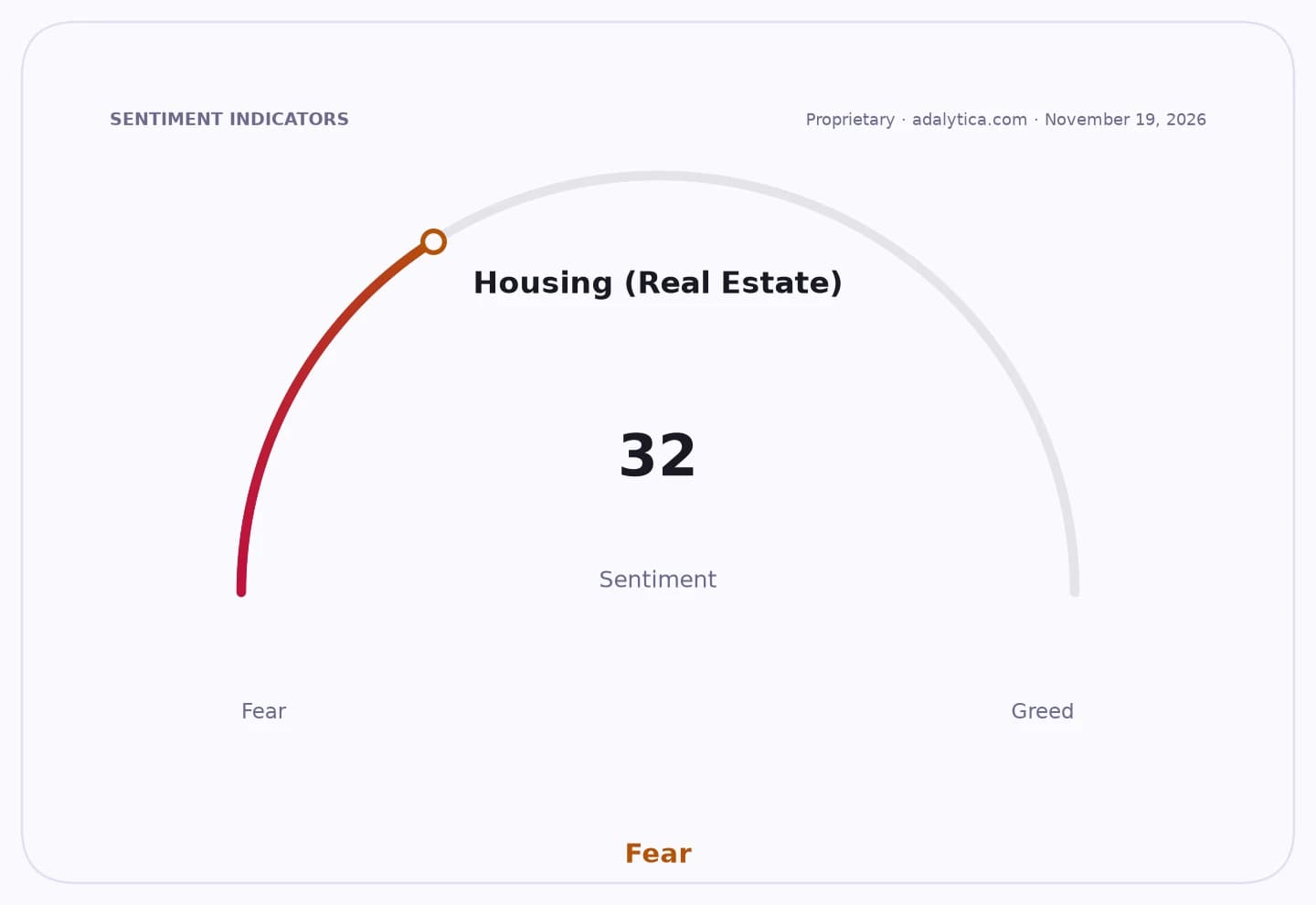
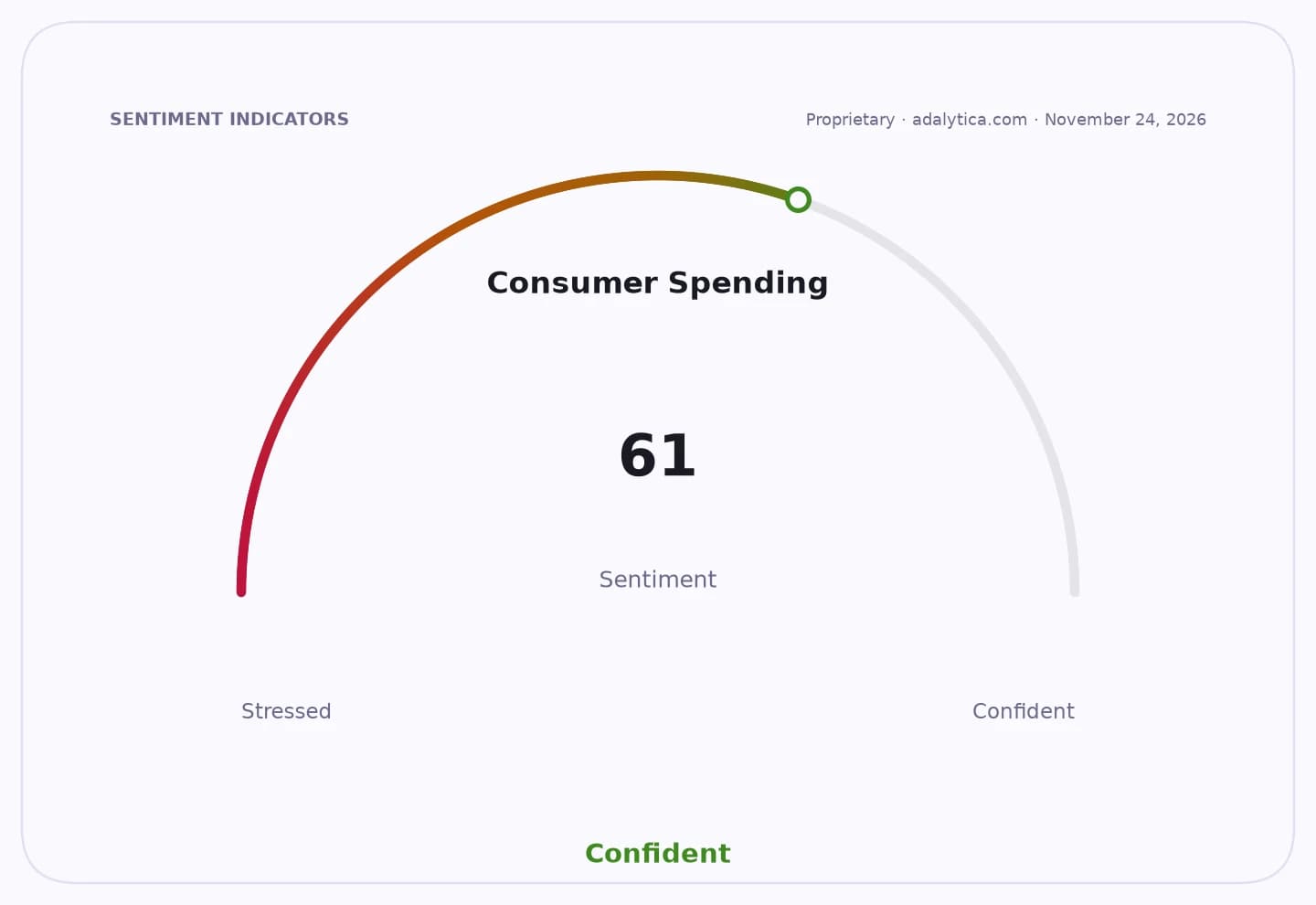
Sentiment Indicators
By cutting the cost of compensatory regulatory, construction and demolition, development, and administrative and IT charges, the authorities are trying to reduce one of the biggest friction points in India’s informal housing market: the gap between physical occupation and legal ownership. That gap keeps owners from registering property properly, selling with confidence, or using homes as collateral. It also helps explain why the government has paired the fee cut with affidavits and third-party verification, a recognition that documentation hurdles — not just cost — are suppressing participation.
For investors, the immediate relevance is less about a sudden price rerating than about the longer-term formalisation of a deep and illiquid housing market. If the concession succeeds, it could improve transaction clarity in neighbourhoods that have long traded on imperfect title, support mortgage eligibility for some owners and gradually expand the pool of assets that can be monetised or transferred. That would be constructive for lenders with exposure to housing finance, for brokers and service providers tied to registration activity, and for the broader urban property ecosystem in Delhi.
The bull case is that lower fees, simpler application rules and the prospect of formal ownership could finally bring in households that had stayed away because of cost, paperwork and legal uncertainty. The bear case is that execution remains the real obstacle: the cutoff date, eligibility checks, disputed ownership and incomplete records could still leave participation low, especially where multiple claimants or poor documentation complicate title.
For the housing market, the policy is more likely to improve liquidity at the margin than to move prices outright. But in a city where legal status often matters as much as physical quality, even a partial conversion of informal homes into recognised property rights could alter how buyers, sellers and banks value these colonies over time.
| Entity | Gains | Losses |
|---|---|---|
| Eligible colony residents | ▲Lower regularisation cost | ▼Documentation burden |
| Banks and housing lenders | ▲More bankable collateral | ▼Legal uncertainty |
| Delhi authorities/MCD | ▲Higher application uptake | ▼Administrative workload |
| Buyers in informal colonies | ▲Clearer title prospects | ▼Speculators in disputed properties |