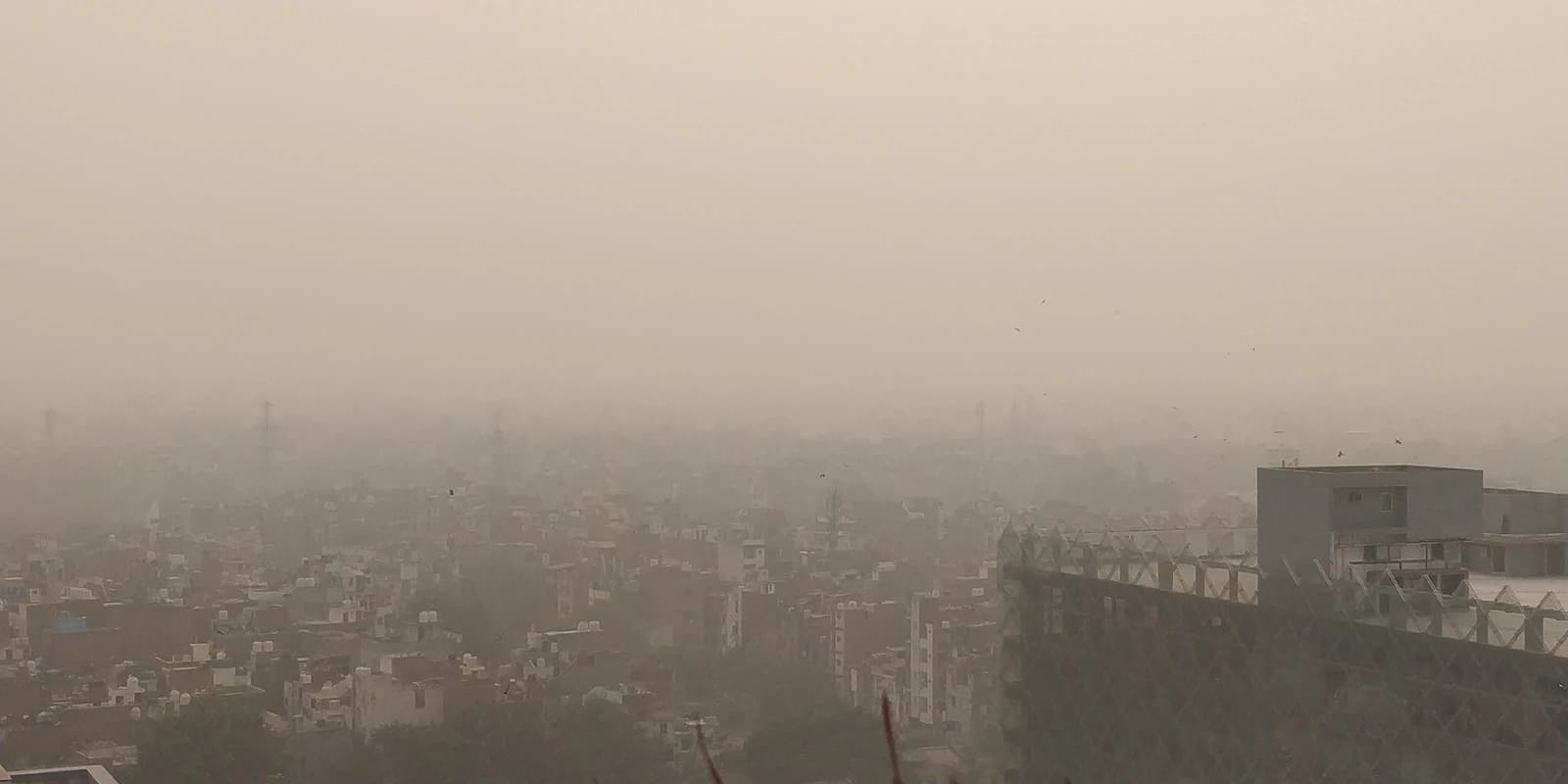
Delhi’s pollution monitor data for Diwali night has finally been released, and it shows the city’s air was far worse than the official record initially suggested, with PM2.5 levels surging as high as 3,744 micrograms per cubic metre.
Delhi pollution data shows Diwali PM2.5 spike
The delayed readings matter because they confirm the scale of Delhi’s post-Diwali smog crisis and expose gaps in the city’s official air-quality record just as authorities face mounting pressure over whether anti-pollution measures are doing enough. PM2.5 at that level is more than 60 times India’s 24-hour national standard of 60, underscoring the health risk in one of the world’s most polluted major cities.
Sentiment Indicators
The highest concentrations came in the early hours of Nov. 9, when Mundka hit 3,744 at 2 a.m., JNU reached 3,023 at 4 a.m. and NSUT’s West Campus recorded 3,008 at 5 a.m. Mandir Marg rose to 2,908, Nehru Nagar to 2,808 and Wazirpur to 2,721, while 11 stations topped 2,000.
The release also shows that every one of the 125 station-hours missing from the Central Pollution Control Board’s public record was above 1,000 µg/m³ on the Delhi Pollution Control Committee’s website. Where both sources overlap, the readings match, but the released data had still not appeared in the CPCB record as of Monday evening.
For investors, the broader significance is that Delhi’s smog emergency remains a live policy and economic risk for India, particularly for consumer demand, logistics, aviation and workplace productivity in the capital region. Persistent hazardous air quality can also increase scrutiny on enforcement of emergency restrictions and raise the political cost of inaction ahead of the winter pollution season.
The official air-quality index barely captures the full extent of the episode because the CPCB scale maxes out at 500 once hourly PM2.5 readings rise above about 420. Even so, adding the missing data would have nudged the citywide 24-hour AQI to about 384 from the published 370, and the 4 p.m. bulletin to about 360 from 344, according to HT estimates.
Authorities said the monitors were still functioning and blamed technical glitches, but the late release is likely to keep attention on data transparency, monitoring reliability and the effectiveness of curbs under the Graded Response Action Plan. With air expected to stay poor without stronger intervention, the next catalyst is whether regulators tighten restrictions further or are forced to defend the quality of the official data itself.
| Entity | Gains | Losses |
|---|---|---|
| Delhi residents | ▲More complete pollution data | ▼Health and outdoor activity |
| Pollution regulators | ▲Opportunity to correct record | ▼Credibility and transparency |
| Hospitals and clinics | ▲Higher demand for treatment | ▼Greater public-health burden |
| Retail, transport and aviation | ▲Potential urgency for mitigation spending | ▼Productivity and operating disruptions |