India’s election system is facing a credibility test after opposition parties accused the Modi government and the Election Commission of allowing more than 13 crore voter names to be excluded from electoral rolls, triggering street protests and fresh questions over the fairness of upcoming polls.
India election row raises market trust questions
That matters far beyond politics. In a country where the legitimacy of elections underpins policy continuity, market confidence and investor trust, any perception that voter registration is being manipulated can become an economic risk. Stable democratic institutions are part of India’s investment case, especially for long-term capital that is betting on reform, consumption growth and infrastructure spending.
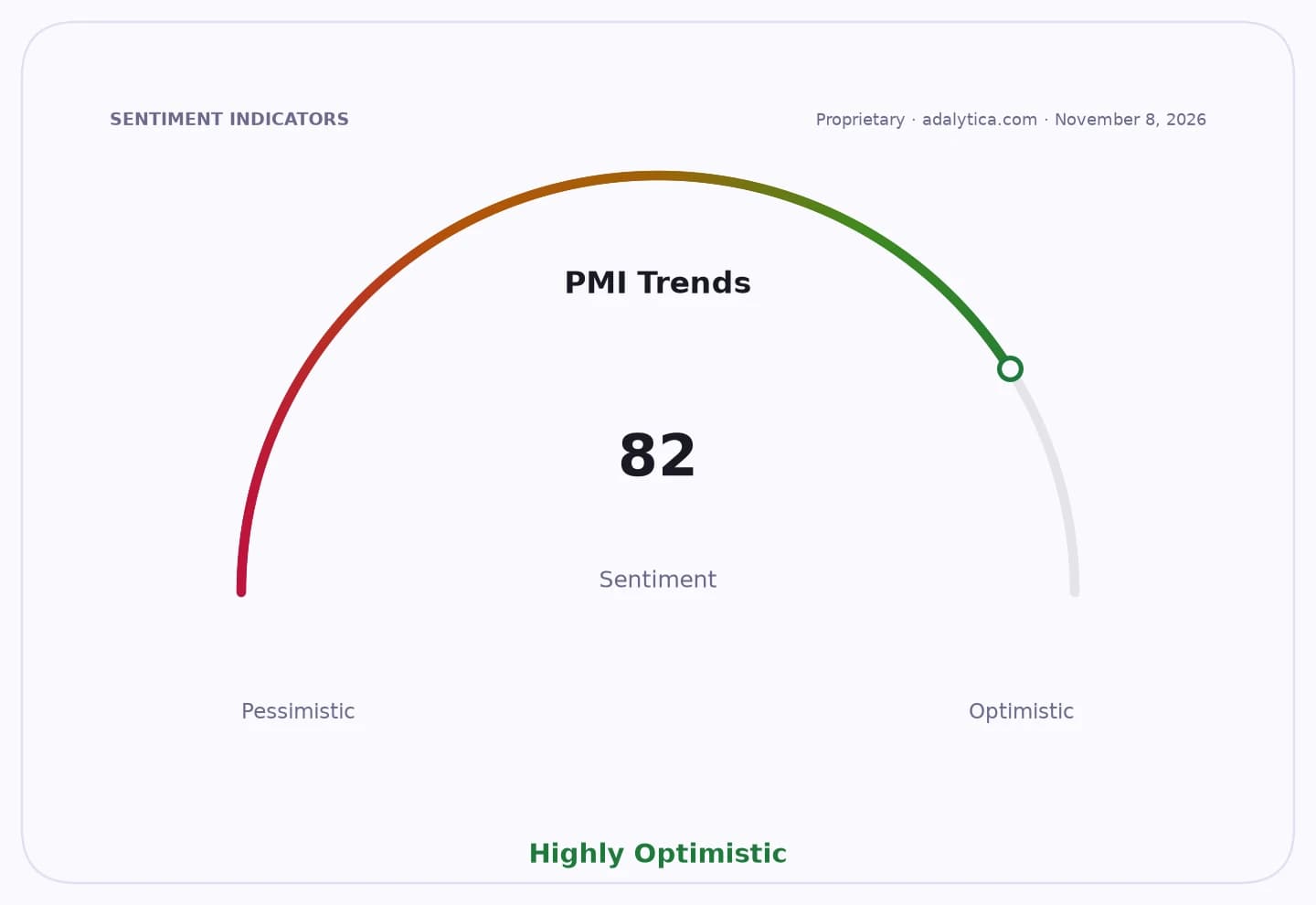
Sentiment Indicators
Thousands of protesters led by Congress leader Rahul Gandhi marched in New Delhi, demanding the chief election commissioner resign, while opposition groups accused the poll body of deliberately altering voter lists to favor the ruling Bharatiya Janata Party. The Election Commission has pushed back, saying people filing Form-6 to add or correct names will not face punishment, but the dispute has already spread well beyond a procedural debate over rolls and deadlines.
The scale of the alleged exclusions is what makes this so combustible. If voter lists are missing tens of millions of eligible citizens, the issue is no longer a technical cleanup exercise — it becomes a question of whether the franchise itself is being narrowed. For investors, that raises the risk of sharper political polarization, more court battles and a harder environment for economic policymaking if the controversy deepens ahead of elections.
Markets are unlikely to treat this as a direct earnings story, but the implications still matter. India’s equity premium has long rested on the idea that the country’s democratic framework is durable enough to support decades of growth. A prolonged legitimacy fight can rattle that narrative, even if only at the margins, because it increases the chance of policy whiplash, protest risk and delayed reform.
The stock market context suggests investors are watching India closely but not yet abandoning the longer-term thesis. The India ETF EPI closed at $42.94 on Nov. 4, just above its 50-day moving average of $41.49 and below its 200-day moving average of $42.66, a sign of a market that has steadied but still lacks a decisive trend. The broader India-focused iShares fund INDA finished at $50.05, also above its 50-day average but just under its 200-day line, while the Guggenheim China ETF GXC, included in the regional comparison, remains weaker, underscoring that investors still see India as the more compelling long-term growth market.
In other words, this is not a reason to abandon India. It is a reminder that the best long-term investing story in emerging markets still depends on institutional trust as much as GDP growth. If the Election Commission can restore confidence quickly, the episode may fade into the background. If it cannot, the political noise could linger and make investors demand a bigger discount for the risk.
For patient investors, the core lesson is simple: keep India on the watchlist, but insist on transparency. Over a 3-to-10-year horizon, economies can outgrow controversy — but only if the institutions behind them remain credible.
| Entity | Gains | Losses |
|---|---|---|
| Opposition parties | ▲Public attention | ▼If reforms stall |
| Modi government | ▲Short-term control if issue fades | ▼Political credibility |
| Election Commission | ▲If it restores trust | ▼Reputation and authority |
| Long-term investors | ▲If transparency improves | ▼If political risk stays elevated |