Developing-country debt has climbed to a record $9.4 trillion, and the real story for investors is that the market is open again — but money is still brutally expensive. That combination is giving governments temporary relief through refinancing while locking in a heavier long-term burden that could crowd out growth, public investment and future credit quality.
Developing Country Debt Hits Record $9.4 Trillion

The World Bank’s 2026 International Debt Report shows external borrowing by developing countries rose 5.5% in 2025, the fastest increase since 2021 and nearly four times the 2022-2024 average. The rebound was driven largely by private creditors, whose return helped push sovereign bond issuance to $251 billion, up nearly 35% and the highest in five years. For countries shut out of markets in recent years, that reopening matters: it restores access to capital. But it also exposes them to a harsher reality of high global rates, wider spreads and more refinancing risk.
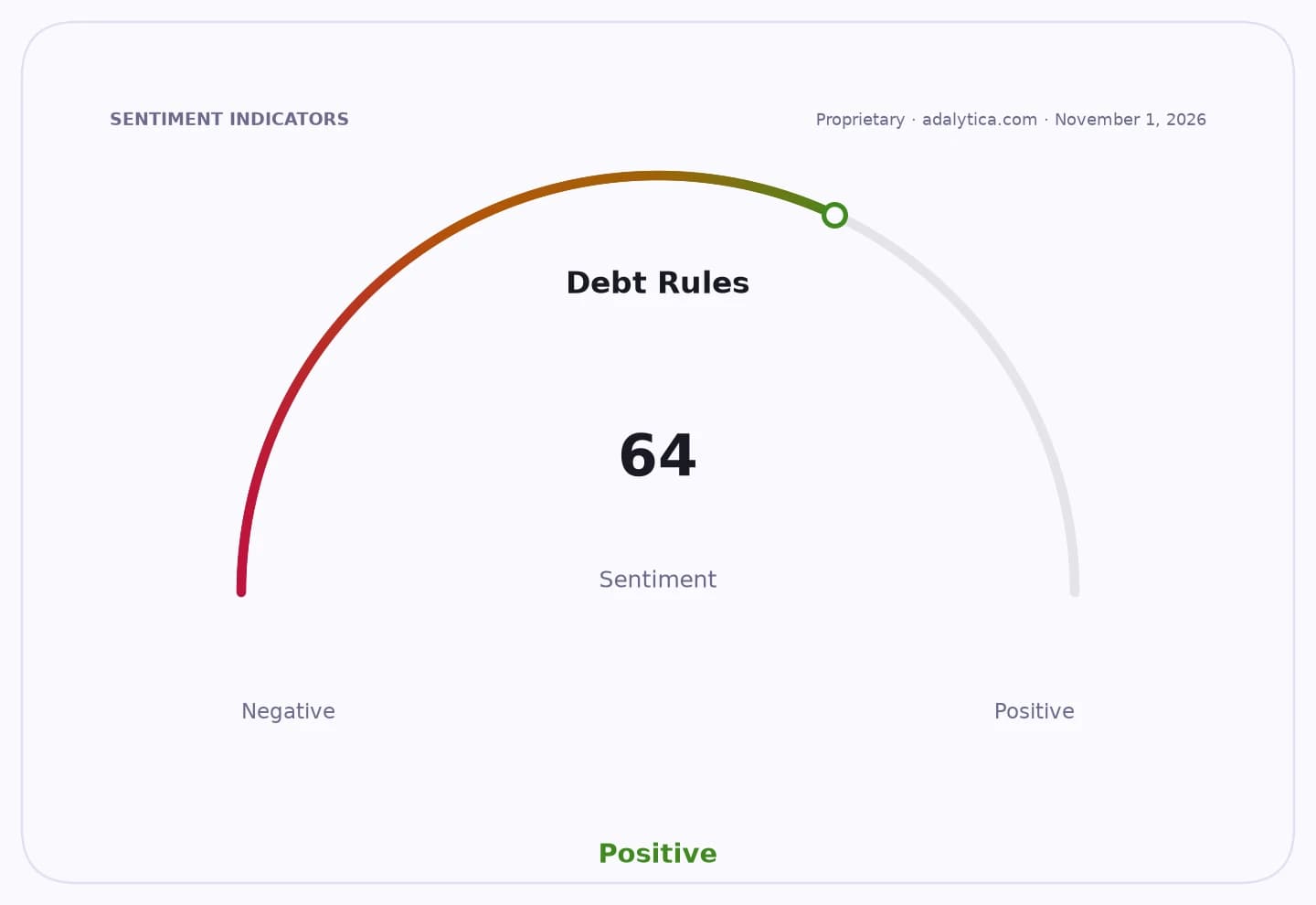
Sentiment Indicators
That matters economically because debt service is eating into the very spending that supports long-term development. Low- and middle-income countries paid $1.4 trillion in principal and interest in 2025, up for a fifth straight year, while developing economies collectively paid $436 billion more to service debt than they received in new long-term financing between 2022 and 2025. In other words, fresh money is arriving, but a growing share of it is being recycled back out the door. The World Bank warned that in the poorest countries, elevated debt costs may displace investment in human capital — the kind of spending on education, health and infrastructure that drives productivity for decades.
For investors, this is a reminder that emerging-market debt remains a story of dispersion, not a single trade. Stronger borrowers are regaining market access at tolerable levels, while the weakest credits are paying punishing rates. The report said countries eligible for concessional IDA financing faced average interest costs of 8.2% on new private borrowing, the highest since 1989, and 9.4% on new bonds. The spread between what they paid public and private lenders widened to 5.5 percentage points from 3.4 points in 2016, underscoring how sharply risk pricing has deteriorated for the most vulnerable issuers.
That split is already showing up in the market. Many governments are issuing new bonds to retire old ones, stretching out maturities without reducing the debt stock, often at higher coupons. Some larger borrowers have been able to refinance successfully, and the report noted that more than 10 countries had already surpassed their full-year 2025 issuance by mid-August 2026. That is supportive for debt funds and benchmark issuers, but it can also leave investors with a false sense of security: refinancing is not deleveraging. It merely buys time.
Currency moves add another layer. A weaker U.S. dollar boosted the reported value of some foreign-currency debt, helping lift public and government-guaranteed debt balances. For countries with limited fiscal room, that translation effect can make the debt burden look even worse even as they keep paying down principal. It also means investors need to think not just about interest rates, but about exchange rates, reserve adequacy and the policy flexibility of each borrower.
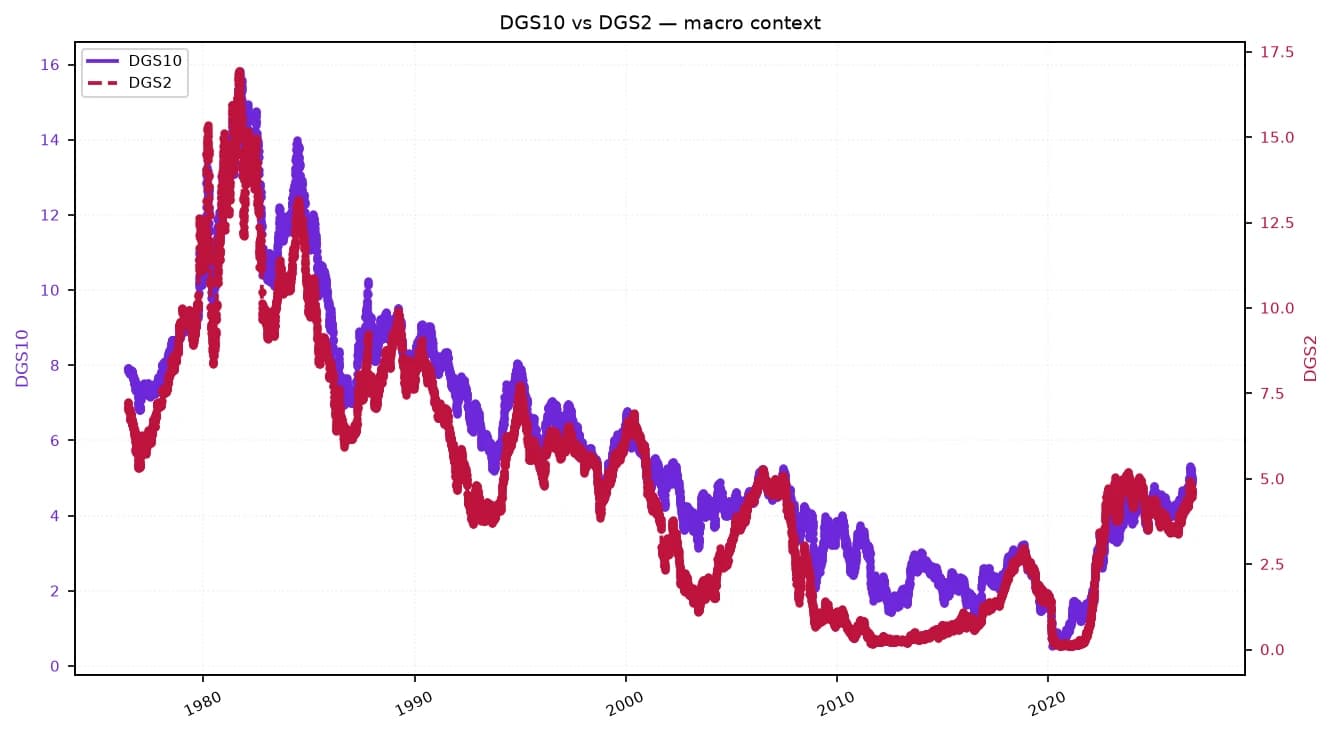
The broader narrative is simple: developing countries have regained access to capital markets, but not on friendly terms. That is good news for immediate liquidity and bad news for long-term balance sheets. As global yields remain elevated and private creditors stay active, the next phase will test whether refinancing can be managed without turning a debt-service problem into a growth problem. For long-term investors, the opportunity is in selective exposure to stronger sovereigns and disciplined diversification — not in chasing the headline record.
| Entity | Gains | Losses |
|---|---|---|
| Stronger emerging-market sovereigns | ▲Market access returns | ▼Higher refinancing costs |
| Private creditors | ▲More lending opportunities | ▼Greater default risk |
| Poorer IDA-eligible countries | ▲Temporary funding relief | ▼Heavier debt-service burden |
| Long-term investors | ▲Selective yield opportunities | ▼Broad-based EM credit risk |