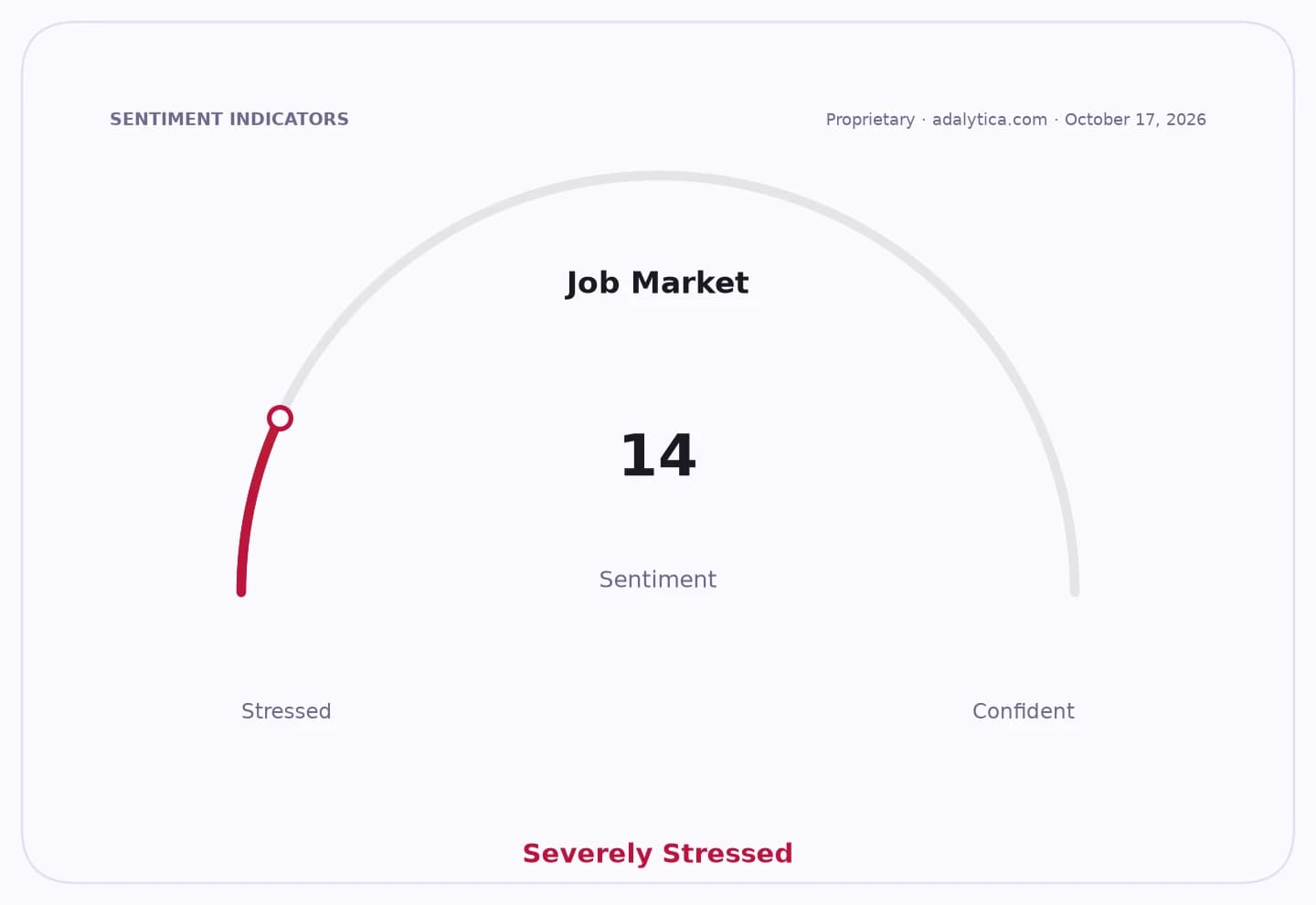
Disney is preparing to cut thousands of jobs as it pushes managers to find as much as 20% in annual cost savings, a sign the company is moving deeper into a restructuring drive meant to protect margins as linear TV weakens and streaming growth matures.
Disney plans thousands of job cuts to save costs
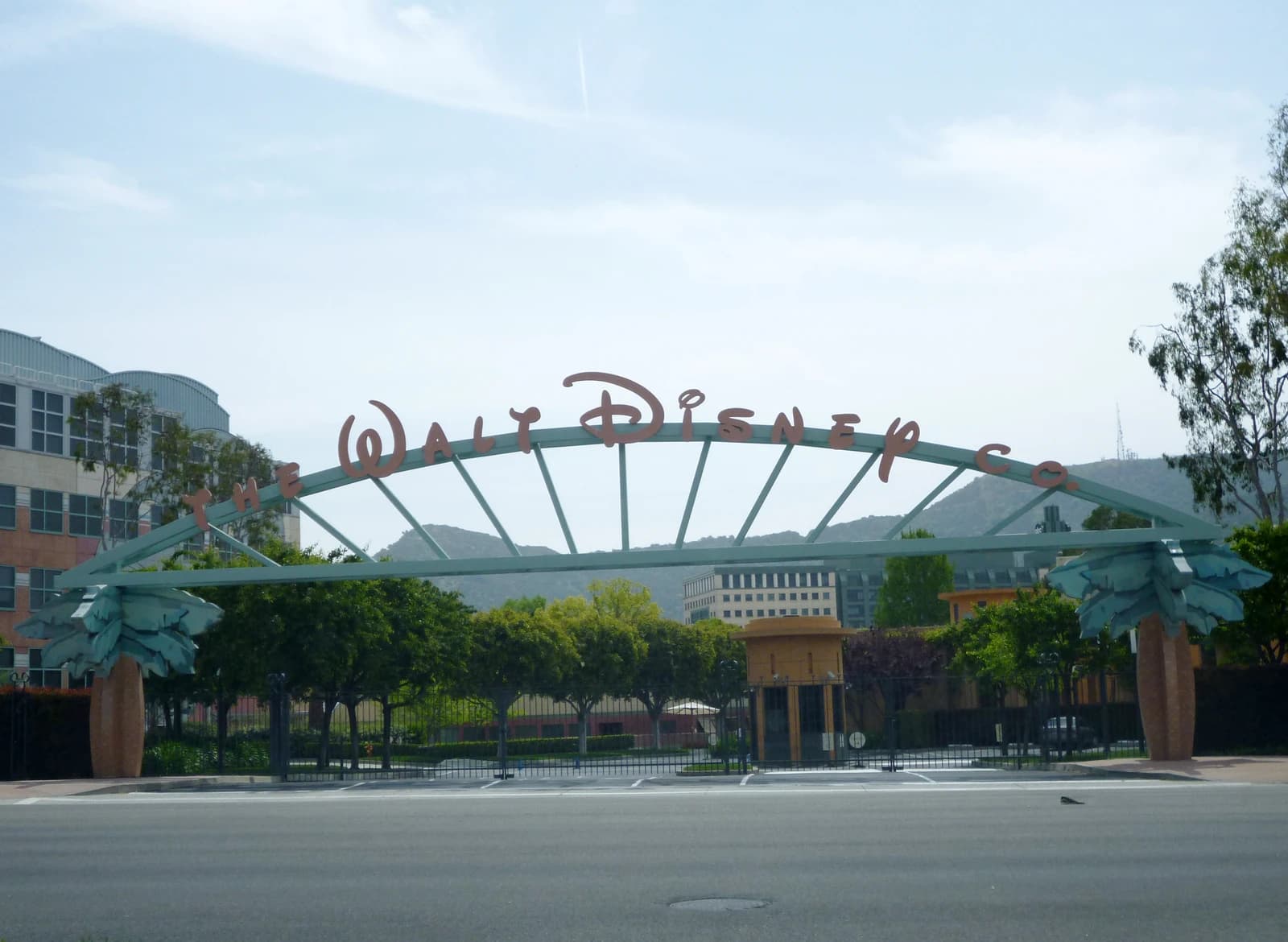
The scale of the planned reductions matters well beyond one company’s payroll. Disney is one of the largest employers in entertainment, with about 231,000 workers worldwide at the end of its last fiscal year, and repeated rounds of layoffs underscore how brutally the economics of media have shifted. Traditional television has been in structural decline, while streaming — once the industry’s growth engine — is now facing slower subscriber gains and heavier competition from tech-backed platforms such as Amazon and Apple.
Sentiment Indicators
For investors, the key question is not whether Disney can trim costs — it already has cut billions of dollars and eliminated thousands of jobs across ABC, Pixar, ESPN and the film studio — but whether those savings can be translated into durable earnings power without damaging creative output or guest experience. Management is expected to reinvest some of the savings into film and television programming, technology, and the parks and cruise businesses, according to the report. That could support growth, but it also means the restructuring may be as much about reallocating capital as simply reducing headcount.
The pressure is not unique to Disney. Paramount, Warner Bros. Discovery and Comcast have also moved to shrink payrolls as advertising weakens, cable revenues erode and streaming economics remain under strain. For the sector, the message is clear: the old bundle-based media model is not coming back, and companies are being forced to run leaner businesses in a market where audience attention is increasingly captured by social media and online video.
Disney shares have been trading above both their 50-day and 200-day moving averages, suggesting the market has some confidence in the company’s turnaround efforts, but the stock’s recent advance also leaves it vulnerable if restructuring costs rise or savings disappoint. For holders, the upside case is a more efficient Disney with better free cash flow and sharper capital allocation. The bear case is that the company trims too aggressively, weakening brands and creativity just as it needs those assets most.
The next catalysts will be execution and disclosure: how many jobs are cut, where the reductions fall, and whether the savings show up quickly enough to offset slower growth in legacy media and a more competitive streaming market.
| Entity | Gains | Losses |
|---|---|---|
| Disney shareholders | ▲Higher margins if cuts stick | ▼Near-term restructuring costs |
| Disney management | ▲More room to reallocate capital | ▼Execution risk and employee morale |
| Rival media firms | ▲Benchmark for cost discipline | ▼More pressure to cut too |
| Employees in TV, studios, parks | ▲None | ▼Job losses and uncertainty |