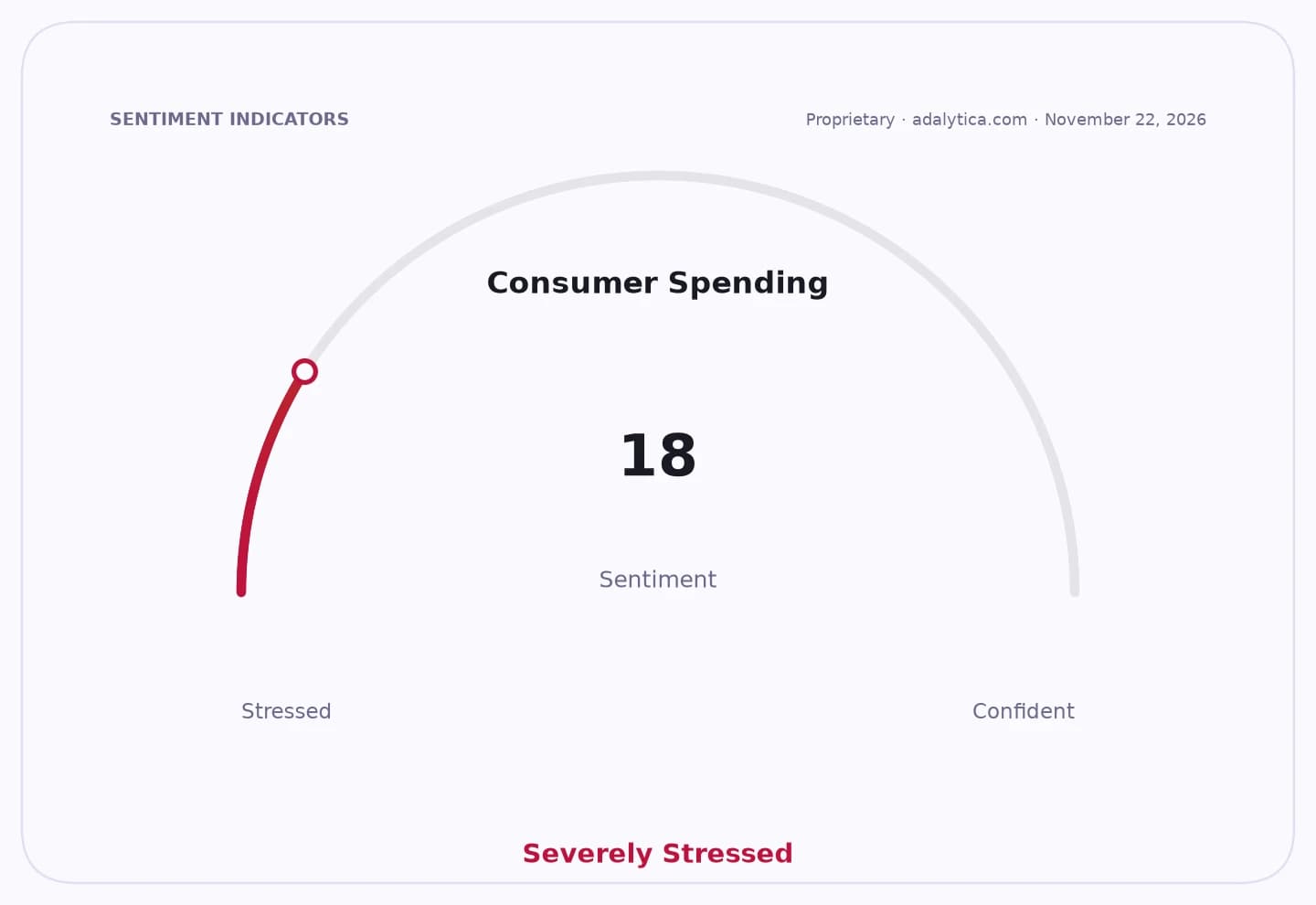
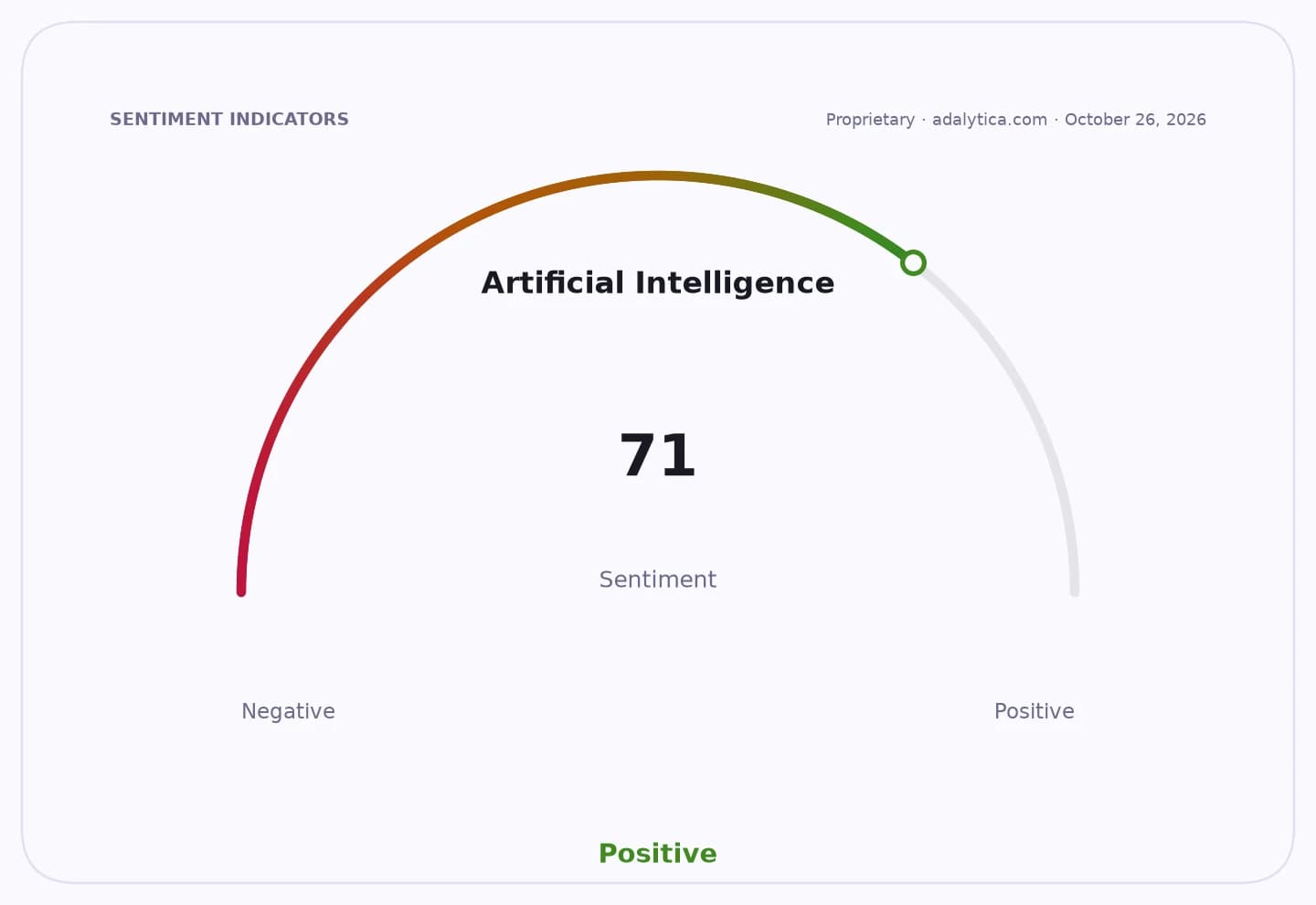
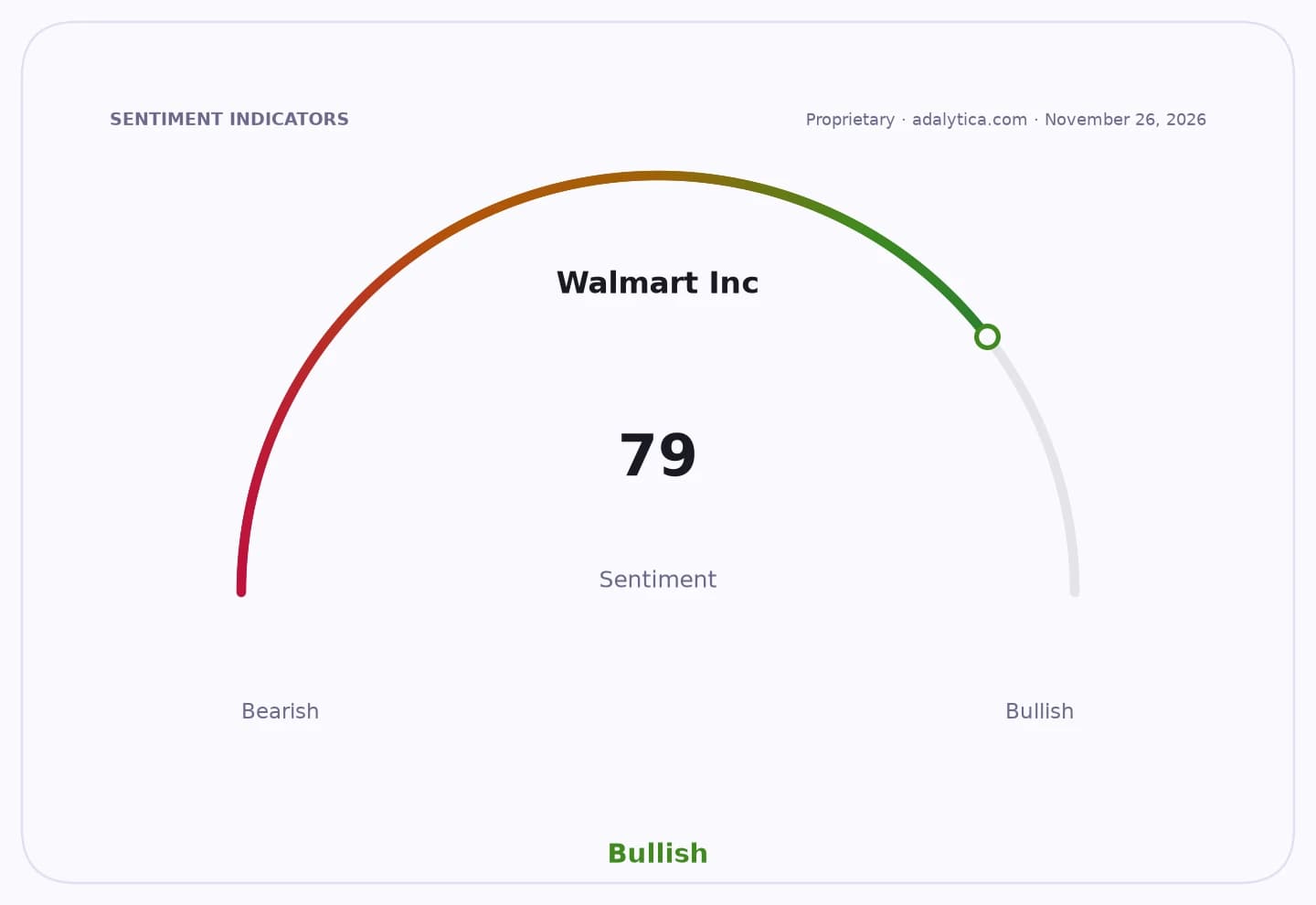
dm is putting a much bigger war chest behind the next phase of retail, and that matters because the German drugstore chain is trying to turn scale, automation and health services into a durable advantage rather than simply chase store growth.
dm plans 356 million euro Germany investment
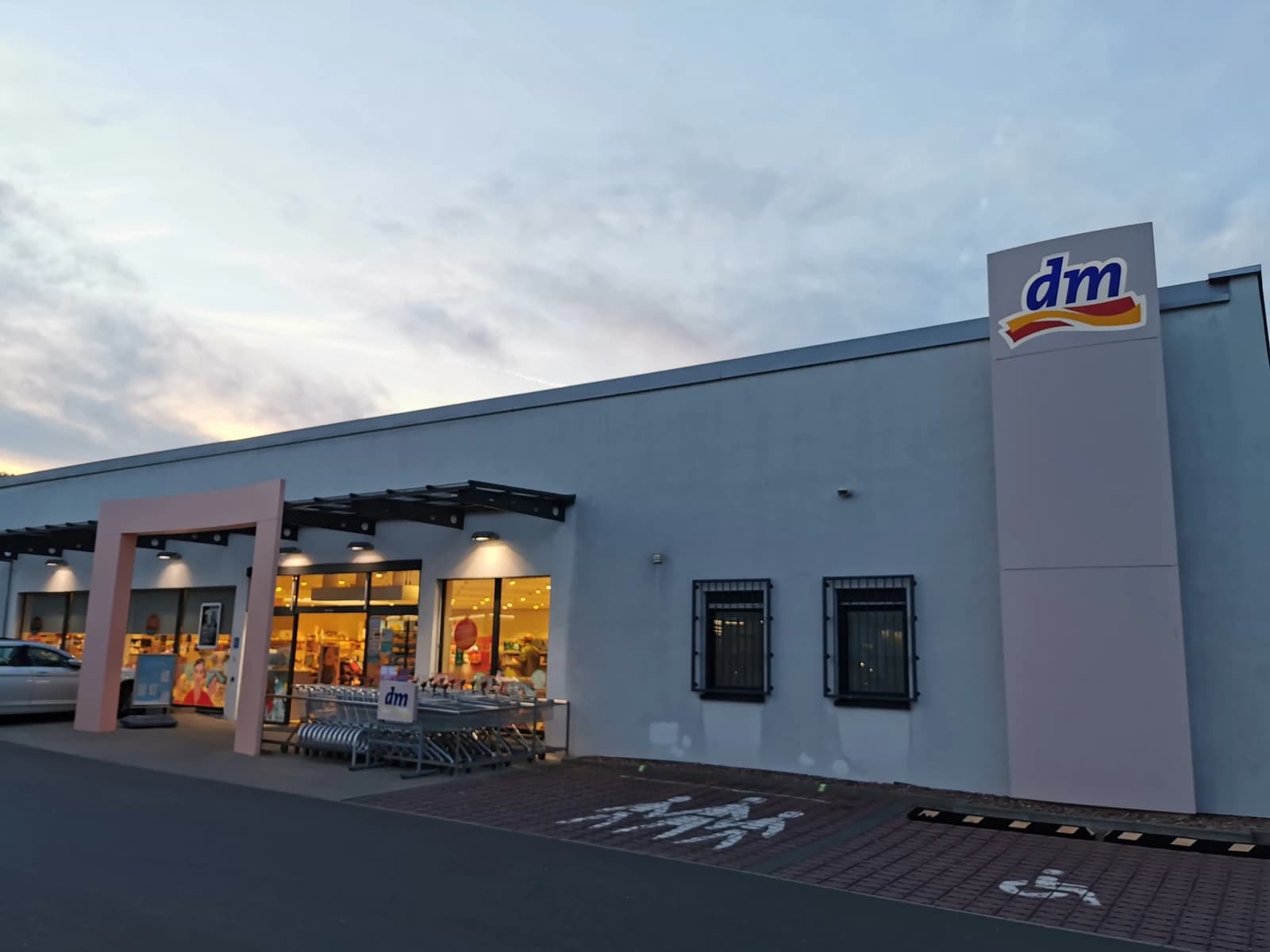
The company said it will invest 356 million euros in Germany in the 2026/2027 financial year, up 26% from the previous year, as it expands and modernizes stores, upgrades logistics and pushes further into digital shopping tools, online pharmacy services and AI. For investors, the message is clear: dm is not slowing down after a strong year, it is reinvesting to protect market share in a sector where convenience, availability and efficiency increasingly decide who wins.
Sentiment Indicators
That strategy is easier to justify after dm’s latest trading performance. German sales rose 7.3% to 14.25 billion euros in the last financial year, while group sales climbed 9.3% to 20.98 billion euros. In Germany, dm’s share in the drugstore category by volume increased to 25.5% from 24.5%, a meaningful gain in a mature market where incremental share is hard fought.
The biggest economic story here is that dm is using its stronger cash generation to build out a more resilient retail model. Physical stores remain central, with roughly 25 net new locations planned for 2026/2027 after 51 openings and relocations in the prior year. But the company is also knitting stores together with e-commerce and app-based shopping, a model that should support traffic, basket size and customer retention over time. Its German units already see an average of 2.4 million customers a day, while its app has more than nine million active users and it processed more than 19 million online orders last year.
Automation is becoming part of the operating model, not just a technology experiment. dm has tested autonomous robots with Ubica that scan shelves overnight and collect stock data, and it plans to expand that system to about 610 stores from roughly 260. That can reduce out-of-stock problems, improve shelf execution and free staff for customer-facing work. In retail, that kind of operational discipline can be just as important as a flashy new product launch.
The company is also leaning into services that could deepen customer loyalty and broaden margins. It plans to launch “dm mitgedacht,” an AI shopping assistant, in early 2027 to help with recurring purchases and to identify shifts in consumer preferences faster. Meanwhile, dm-med, its online pharmacy, and in-store health services such as AI-supported vision checks and digital skin analysis point to a larger push into health-related retail, an area where consumer demand is steady and repeat purchases are common.
Logistics is the other critical piece. dm is preparing a second automated center for small items in Wustermark at a cost of about 200 million euros, due in 2029. That investment is the kind that rarely excites in the short run but can matter a great deal over five or 10 years: better fulfillment, lower friction, faster replenishment and a stronger platform for both stores and online orders.
For shareholders across the retail and pharmacy space, dm’s plan is a reminder that the winners are likely to be the companies that can combine scale, technology and operating efficiency. Competitors such as CVS and Amazon are also leaning into health, logistics and automation in different ways, but dm’s model shows how a traditional retailer can still widen its moat without abandoning its core store network.
The risk, of course, is execution. Big spending only pays off if the technology works, the logistics network keeps pace and consumers keep responding to dm’s value proposition. But the underlying thesis is sound: in a sluggish consumer environment, the retailers that invest early in automation, data and omnichannel convenience often come out stronger.
For long-term investors, the takeaway is straightforward. dm is not just opening more stores; it is building a smarter retail platform for the next decade. That is worth watching, and for patient investors, it is the kind of strategy that can compound quietly over time.
| Entity | Gains | Losses |
|---|---|---|
| dm | ▲Scale and efficiency | ▼Near-term capital spending |
| Customers | ▲Better availability and convenience | ▼Little in the short term |
| Competitors | ▲Pressure to match investment | ▼Share and traffic |
| Employees | ▲More tools and support | ▼Some routine tasks from automation |