Government policy in South Korea and a fresh wave of AI logistics trials are pushing a simple idea into the mainstream: the biggest near-term payoff from artificial intelligence may not be chatbots, but machines that physically move goods, cut labor costs and reshape delivery networks.
South Korea backs physical AI for logistics
That matters because logistics is one of the economy’s largest hidden cost centers. Every reduction in sorting, loading and last-mile friction can flow through to retailers, small businesses and consumers in the form of faster delivery, lower shipping expense and tighter inventory management. The “super innovative new economy” described at the KAIST-backed forum is not a slogan so much as a roadmap for where capital, policy and productivity gains are likely to converge next.
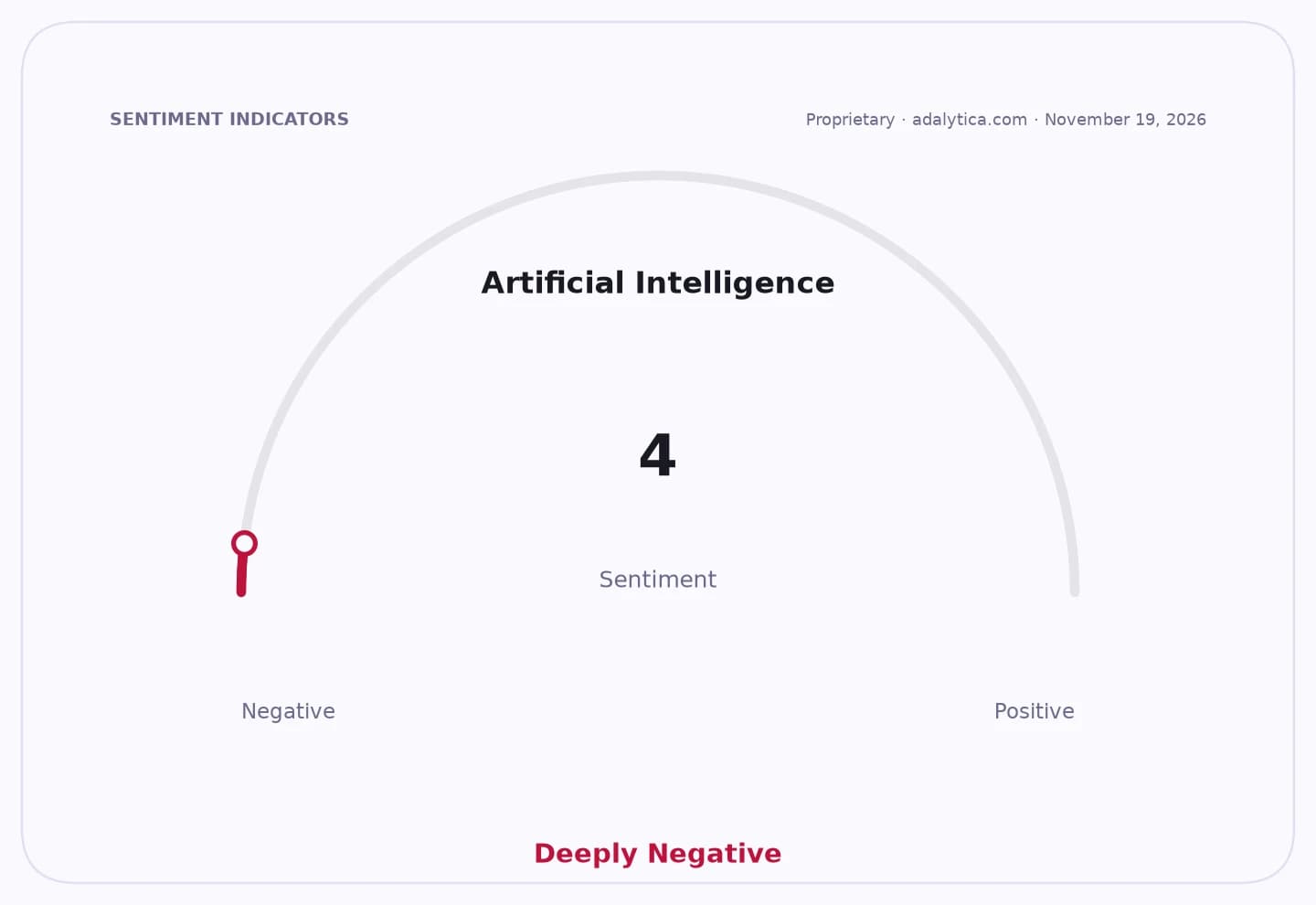
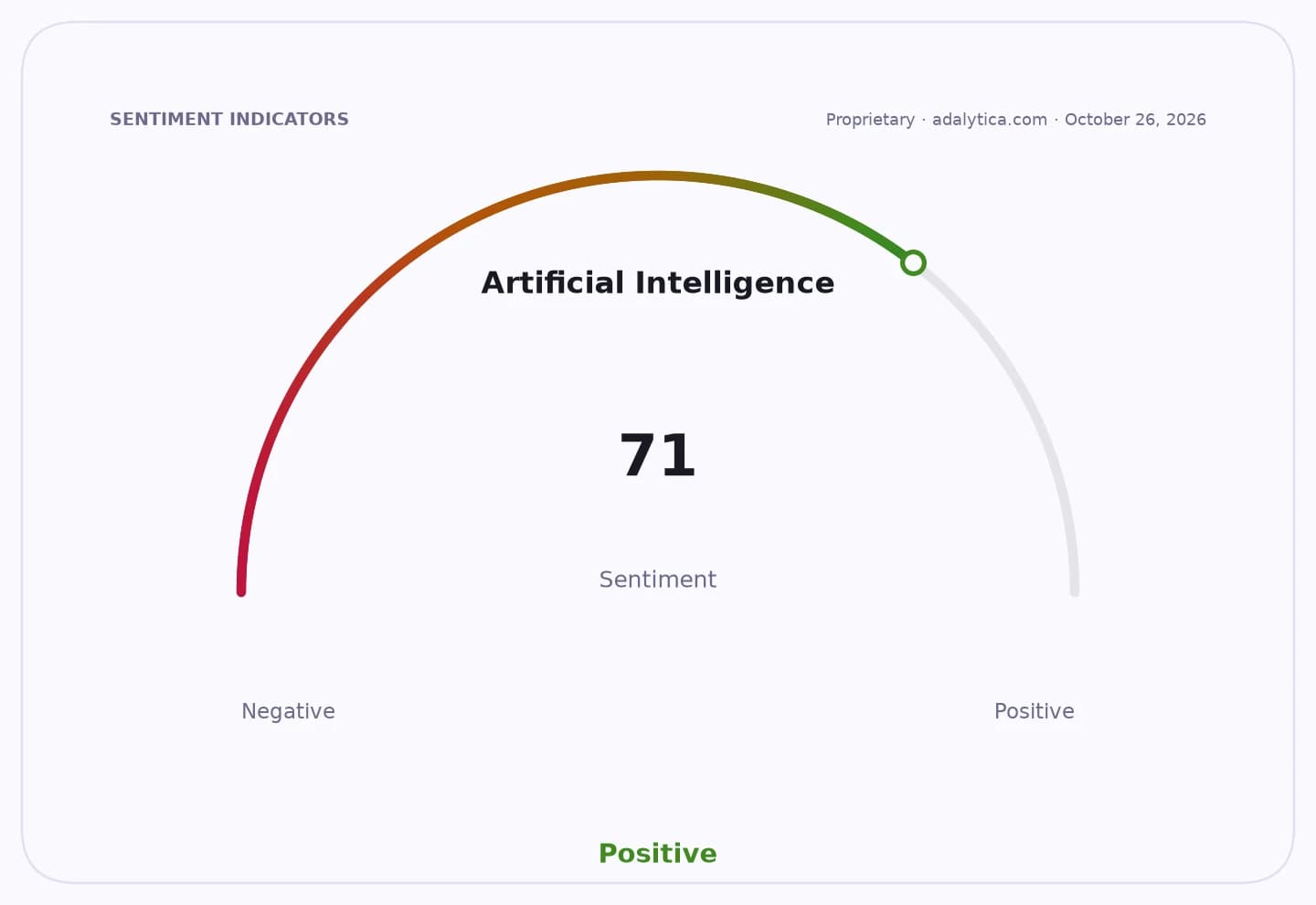
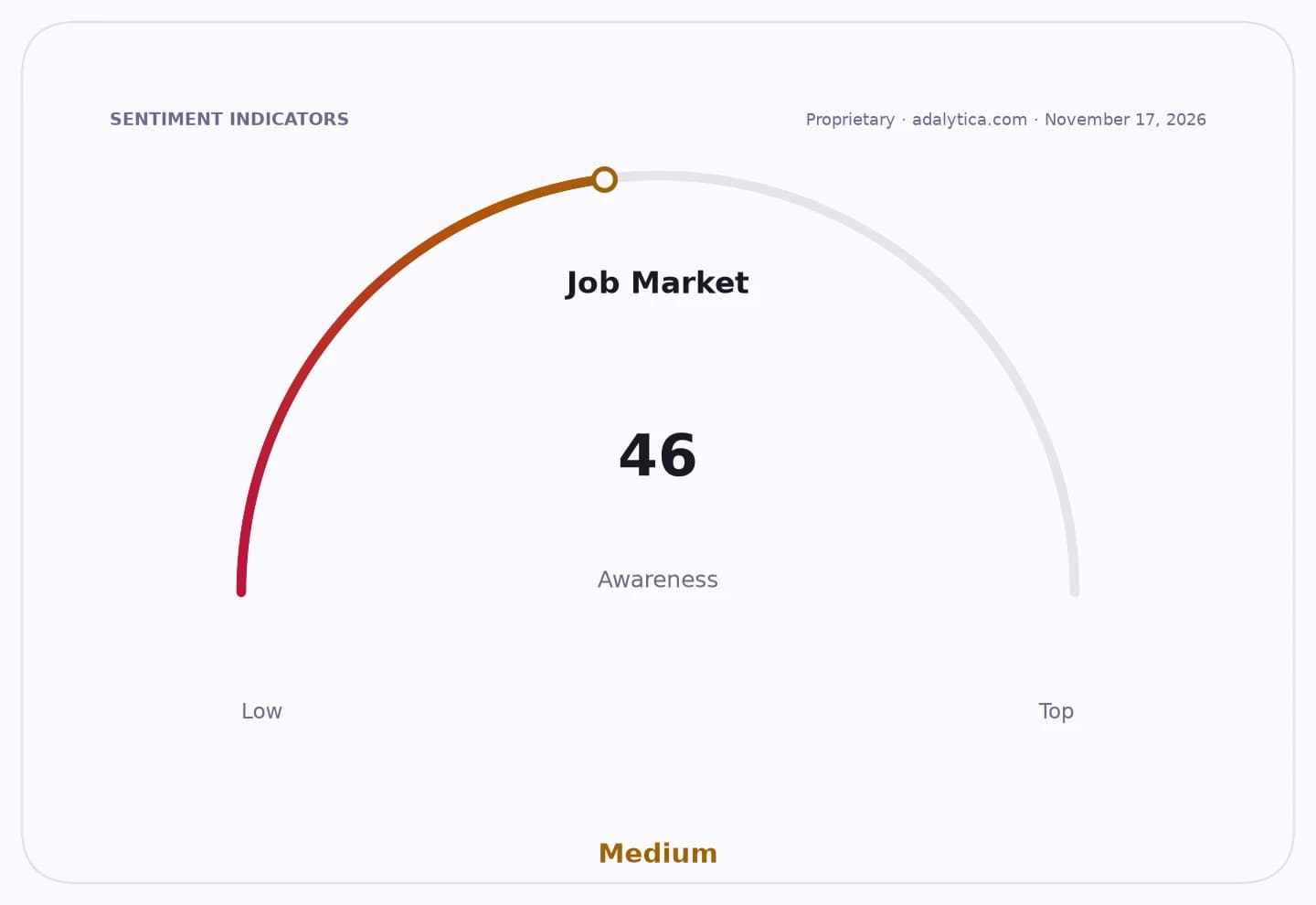
Sentiment Indicators
South Korea’s finance ministry said it is backing physical AI, advanced sensors, actuators and humanoid batteries as new flagship projects, with field demonstrations targeted for 2027, commercialization in 2028 and a goal of 500 AI factories by 2030. That is a meaningful policy signal for an economy that wants to move from laboratory breakthroughs to deployed industrial systems. The government is also widening the aperture beyond headline AI models to the components and infrastructure that make them work in warehouses, factories and transport hubs.
For investors, that is the real opportunity. The market still tends to price AI as a software story, with valuation premia concentrated in model developers and cloud providers. But the next leg of the trade could belong to the picks-and-shovels names tied to physical automation: warehouse robotics, industrial sensors, machine vision, automation software, battery systems and logistics platforms. This is where AI becomes a capex cycle, not just a software cycle.
Amazon, UPS and FedEx are all exposed to this shift, and the latest price action shows the market is already trying to sort winners from losers. Amazon shares have climbed to 266.35, well above both the 50-day moving average of 255.09 and the 200-day average of 244.90, with RSI at 65.7, reflecting investor confidence that AI-driven fulfillment gains can support margins. UPS and FedEx, by contrast, remain more dependent on how quickly automation can offset labor intensity and network complexity, even as both stocks have rebounded from earlier weakness.
The broader economic case is stronger than a simple efficiency story. South Korea’s forum highlighted a future in which AI systems can identify, grasp and move objects in changing environments, not just repeat fixed tasks on a factory line. That is the difference between automation that works in a demo and automation that can be scaled across real warehouses, small-business distribution centers and freight terminals. It also explains why governments are now linking AI to regulation, testing frameworks and sandbox policies: the bottleneck is no longer just computing power, but safe deployment.
There is also a second-order impact the market should not miss. If physical AI lowers the cost of storage, sorting and shipping, it can expand the addressable market for e-commerce, help small merchants reach national customers and ease inflation pressure in logistics-heavy sectors. That is especially important at a time when supply chains remain vulnerable to labor shortages, cyber risk and geopolitical shocks.
My view is straightforward: the market is underestimating how quickly AI moves from screen to supply chain. The next investable phase of the AI boom is not only about generating text or images, but about controlling physical workflows at scale. Investors looking for asymmetric upside should focus on the infrastructure, components and logistics operators that make automated movement possible.
| Entity | Gains | Losses |
|---|---|---|
| Amazon | ▲Fulfillment efficiency, margin leverage | ▼Labor-intensive rivals |
| UPS | ▲Automation-driven network productivity | ▼High-cost manual operations |
| FedEx | ▲Sorting and loading efficiency gains | ▼Slower adopters of warehouse AI |
| Robotics and sensor suppliers | ▲New industrial demand | ▼Legacy equipment vendors |