Bunnings’ decision to cut about 350 technology jobs is the clearest sign yet that Australia’s biggest home-improvement retailer is moving AI from experiment to operating model, and investors should read it as a margin story as much as a workforce story.
Wesfarmers Bunnings Cuts 350 Tech Jobs
The overhaul matters because retail is one of the first large sectors where AI can remove layers of back-office cost without touching the store floor, lifting productivity at a time when wages, logistics and capital spending remain sticky. For Wesfarmers, which owns Bunnings, the immediate prize is leaner overheads and a better chance of protecting cash generation in a consumer market that still looks uneven.
Sentiment Indicators
The market is already rewarding that discipline. Wesfarmers shares have climbed sharply this year and recently traded around A$41.65, above both the 50-day and 200-day moving averages, even after a recent pullback from earlier highs above A$48. That tells you investors still like the long-term story, but they are watching whether the company can turn AI into measurable savings rather than just a headline-friendly restructuring.
What makes this move economically important is scale. Bunnings is not trimming a fringe function; it is targeting a sizeable chunk of its technology workforce as retailers race to automate everything from inventory planning to digital commerce and customer analytics. If AI reduces the need for manual coding, support and systems maintenance, the savings can compound across the broader Wesfarmers portfolio, from supply chain to merchandising and corporate services.
That is the investment case the market may be underestimating. AI in retail is not only about chatbots or customer service. The bigger opportunity sits in the plumbing: forecasting demand more accurately, reducing shrink, automating purchasing decisions and cutting duplicated tech roles across a sprawling store network. That is where operating leverage can show up fastest, and where the first movers tend to gain an edge on competitors still carrying higher fixed costs.
The implications stretch beyond Wesfarmers. Amazon shares have also held up well, with the stock near $257.75 and above both its 50-day and 200-day averages, underscoring how investors continue to favor companies that use automation to widen margins and scale faster. Walmart, meanwhile, remains elevated near $128.41, reflecting the same market preference for retailers that can defend profits through technology-led efficiency rather than pure price increases.
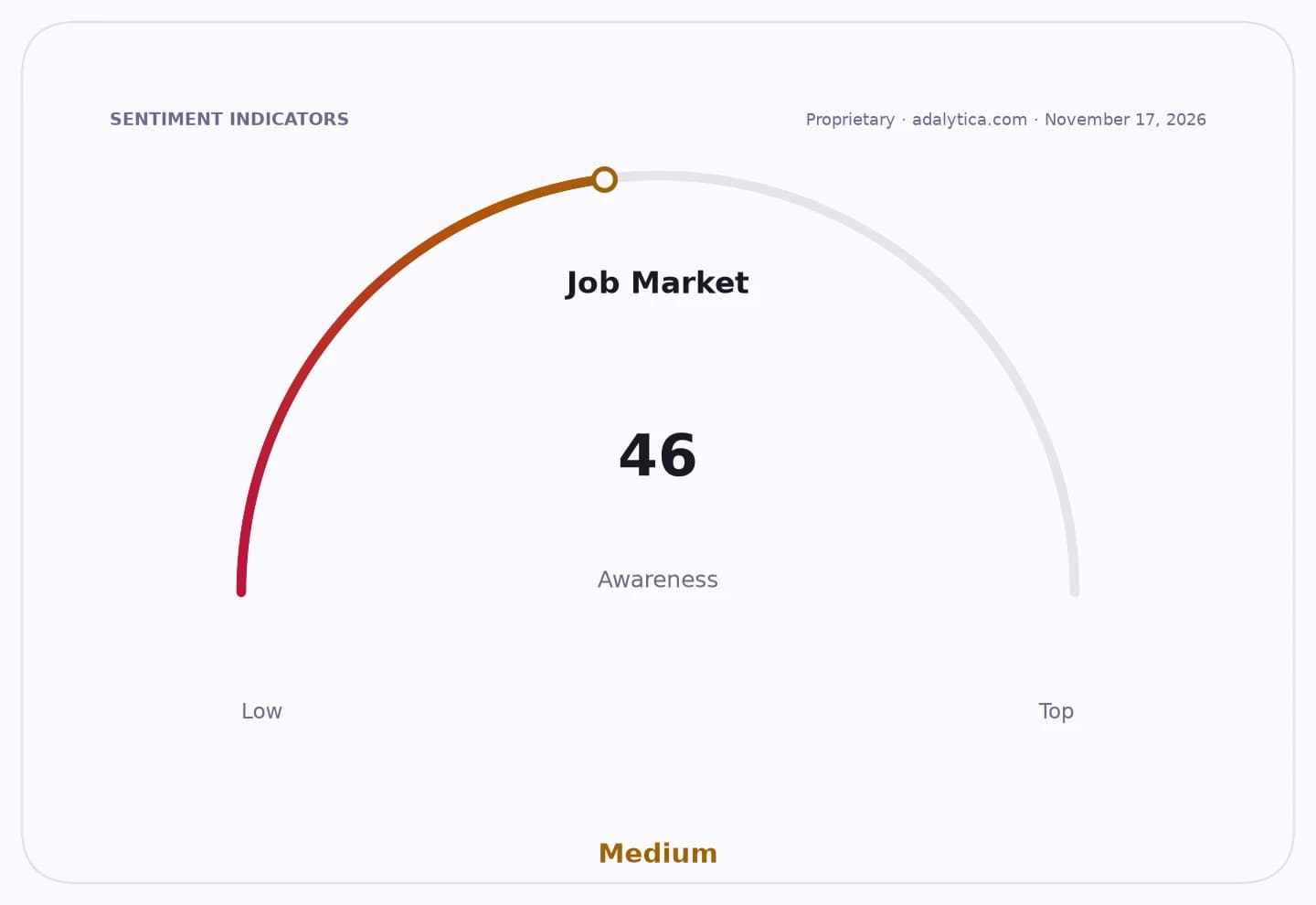
There is a broader labor market message here too. AI-driven restructuring is no longer confined to Silicon Valley. Retail, one of the country’s biggest employers, is now in the same cost-reset cycle that has already hit parts of tech and finance. The near-term pain is obvious for workers, but the strategic payoff for shareholders is more durable: lower overhead, stronger returns on capital and a business model better suited to a slower-growth, higher-cost world.
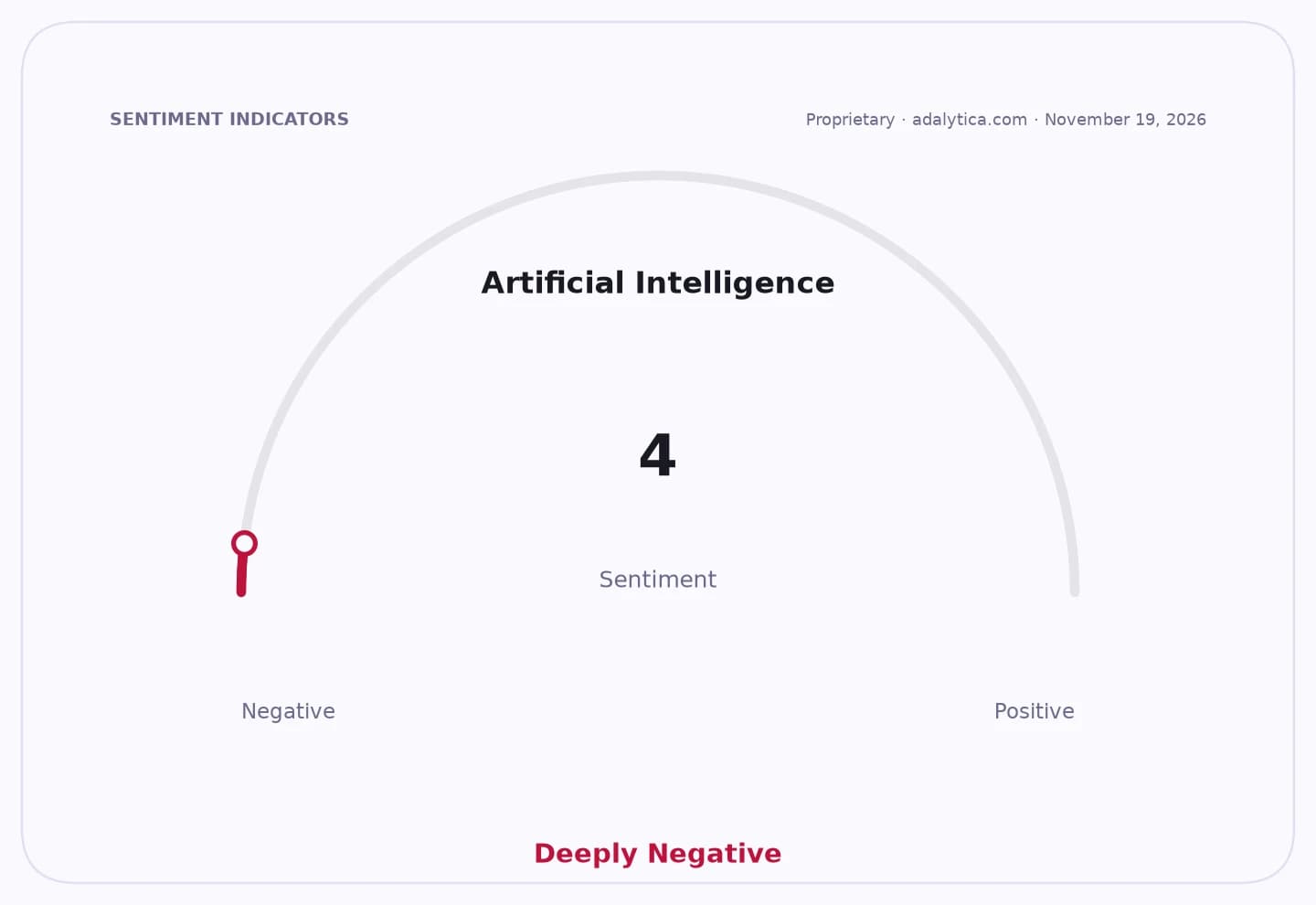
For investors, the key question is not whether AI cuts jobs — it already is — but which companies convert that disruption into earnings power. Wesfarmers looks like one of the more interesting candidates because it combines scale, pricing power and a management team willing to act early. If this tech reset delivers even modest recurring savings, the market may not yet be fully pricing the next leg of margin expansion.
| Entity | Gains | Losses |
|---|---|---|
| Wesfarmers/Bunnings | ▲lower overhead, higher margins | ▼higher upfront restructuring pain |
| Shareholders | ▲better cash flow leverage | ▼near-term execution risk |
| Tech staff | ▲limited upside from automation | ▼350 job losses |
| Rivals | ▲pressure to match efficiency | ▼cost disadvantage if they lag AI |