Bunnings has cut about 350 technology jobs and offshored work in a sweeping AI-driven reset that underscores how quickly Australian retailers are using automation to strip out costs and reshape back-office operations.
Wesfarmers Bunnings cuts 350 tech jobs offshore
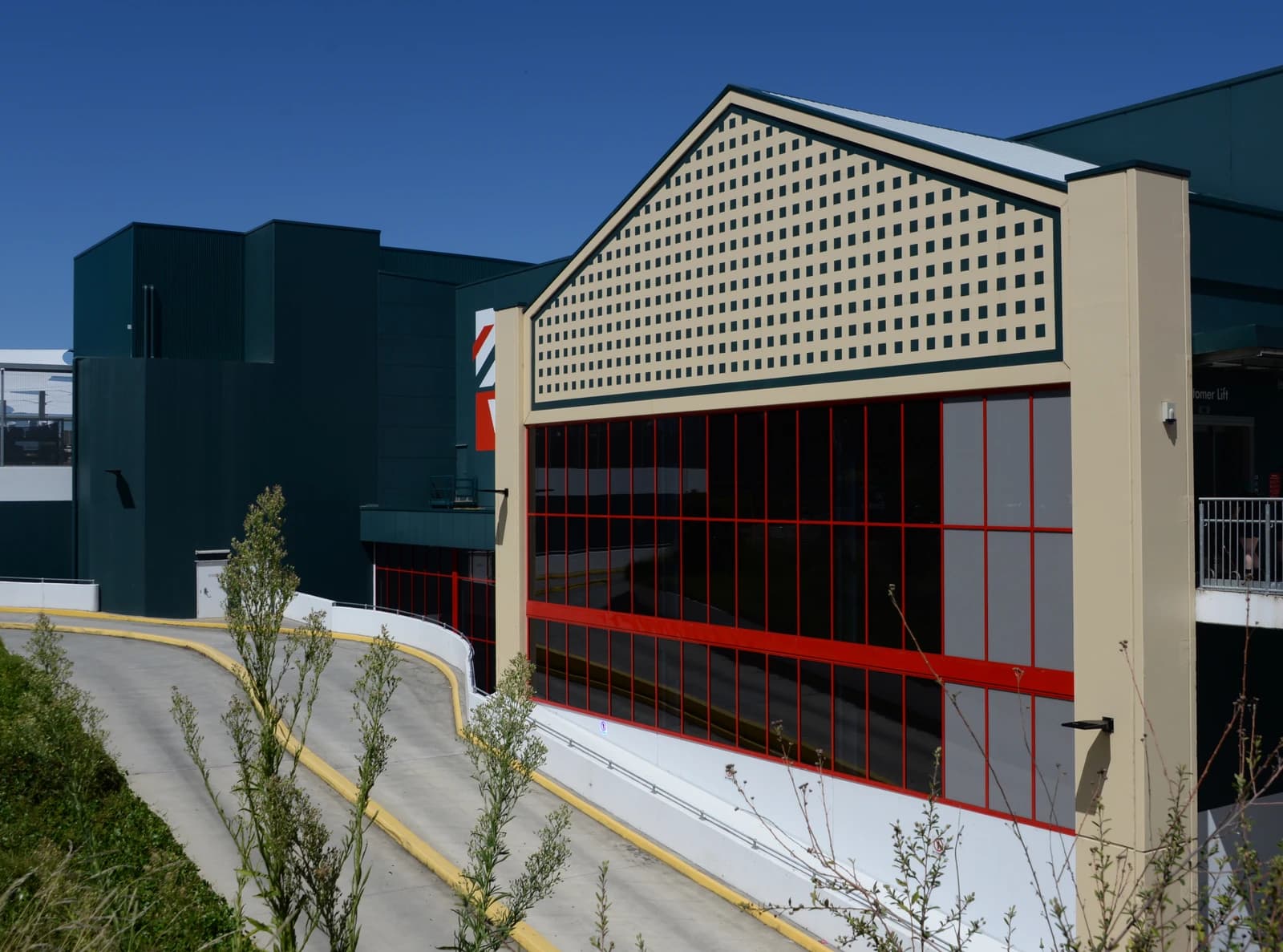
The hardware chain, owned by Wesfarmers, has reduced its technology workforce by about 40% as it centralises systems and shifts more roles offshore, according to the report. The move puts Bunnings among a growing list of major employers using AI and related digital tooling to redesign corporate functions rather than simply add staff.
Sentiment Indicators
For investors, the significance is less about the job losses themselves than the margin opportunity. Bunnings is a core profit engine for Wesfarmers, and any sustained reduction in technology and support costs can help protect earnings in a consumer environment where growth is uneven and wage pressure remains a live issue. It also signals that management is willing to take sharper action on operating expenses even at a business with strong brand power and scale.
The timing matters. Australian companies are under pressure to show AI can do more than generate headlines, and layoffs tied to technology transformation are becoming a marker of how aggressively firms intend to harvest efficiency gains. That is drawing scrutiny from workers and policymakers, but it is also being watched by shareholders looking for evidence that capital spending on digital tools translates into lower run-rate costs.
Wesfarmers shares were trading at A$78.79 on Nov. 17, below their recent highs but above the 50-day moving average of about A$76.83 and just under the 200-day average of A$79.08. The stock has also held above the lower end of its recent Bollinger Band range, suggesting investors have not fully repriced the group despite recent volatility.
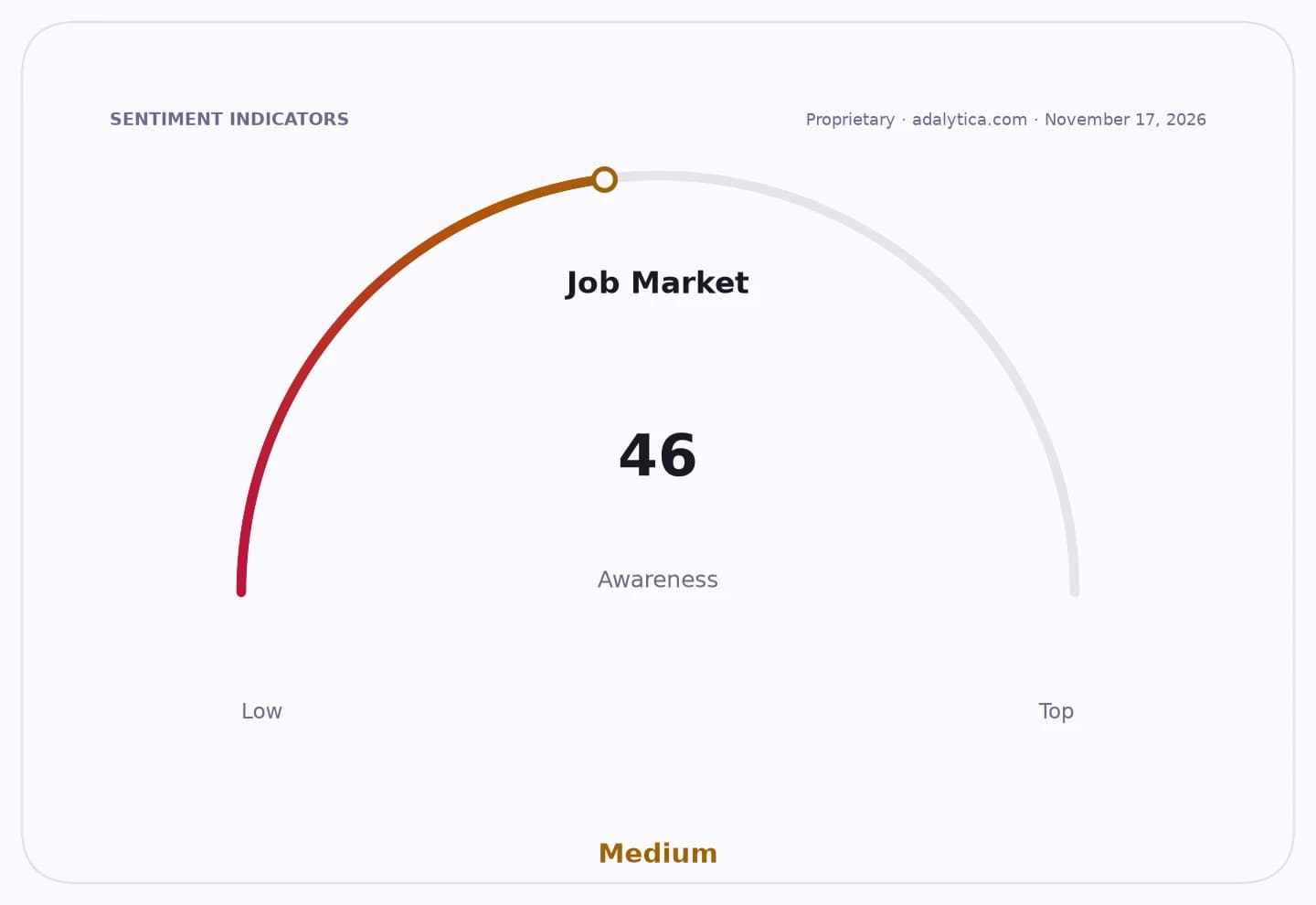
The broader retail backdrop is mixed. Coles and Woolworths have both seen their shares move sharply this year as investors weigh pricing power, demand trends and operational discipline, while job-market sentiment remains elevated even as AI-related restructuring picks up. With Bunnings now in the spotlight, the focus shifts to whether other large Australian employers follow with deeper offshore moves and automation-led headcount cuts.
The key catalyst for investors will be whether Wesfarmers quantifies savings from the overhaul in coming updates and whether the restructuring spreads beyond technology into other corporate functions.
| Entity | Gains | Losses |
|---|---|---|
| Wesfarmers | ▲Lower overheads | ▼Labour backlash |
| Bunnings | ▲AI-led efficiency | ▼Internal disruption |
| Shareholders | ▲Margin upside | ▼Execution risk |
| Tech staff | ▲Severance/relocation options | ▼350 jobs lost |