Block has started another round of layoffs, underscoring how even companies that once moved aggressively to slim down are still trimming headcount to protect margins and refocus on their highest-return products.
Block cuts jobs again to reduce costs

For investors, that matters because Block’s latest restructuring is not just a labor story — it is a profitability story. The company, led by Jack Dorsey, is again reducing positions across teams tied to customer operations, risk operations and learning and content operations, with the biggest impact expected at Cash App and some Square functions. U.S. employees affected by the cuts will receive at least 60 days of pay, a minimum seven weeks of base salary, an extra week for every year worked, a 30-day additional payout for those who sign separation agreements, and a one-time $5,000 cash payment to help bridge the transition. Health coverage support is included too.
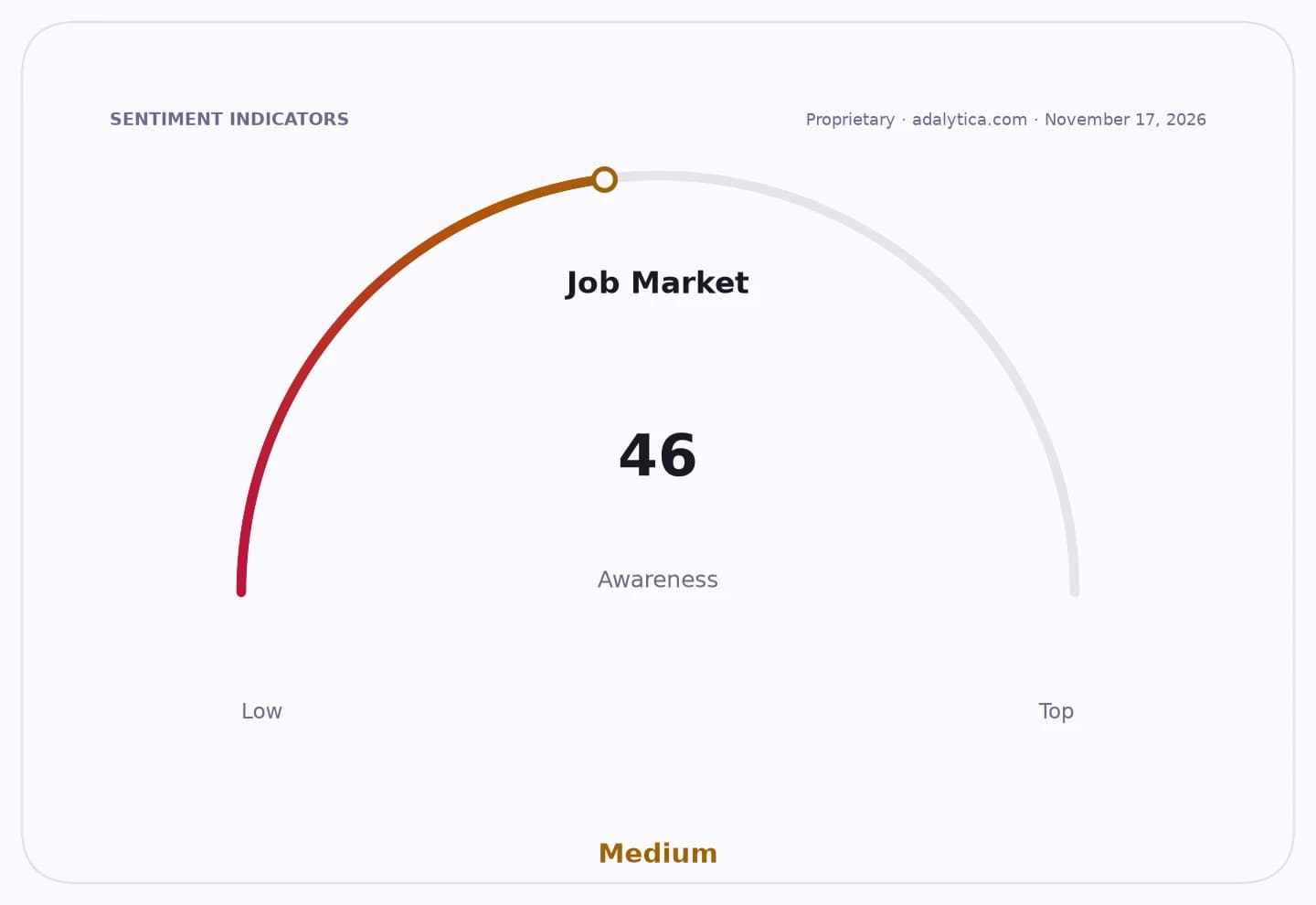
Sentiment Indicators
Job Market
That package shows Block is trying to soften the blow while continuing to simplify the business. A few months ago, the company already cut 4,000 jobs, or about 40% of its workforce, and said the move would save $800 million to $900 million a year in net costs. In other words, this is not a one-off reset. It is part of a sustained effort to run a leaner operation in a tougher fintech environment.
The broader backdrop helps explain why investors should care. Tech layoffs have remained elevated this year, with more than 142,000 jobs cut at 346 companies, according to layoffs.fyi. The pressure is widespread across the sector as companies from Amazon to Meta to Coinbase pull back on staffing, citing cost discipline, slower growth and the shift toward artificial intelligence. Block is now part of that same long-running consolidation story.
For long-term shareholders, the key question is whether these cuts translate into durable earnings power rather than just temporary savings. If Block can preserve product momentum in Cash App and Square while reducing overhead, that would strengthen the investment case. But repeated layoffs also signal that management still sees plenty of room to streamline, which can be a warning that growth is not yet doing all the heavy lifting.
For now, the message is clear: Block is still in restructure mode, and investors should watch whether the company turns workforce cuts into a cleaner, more profitable fintech platform over the next several years.
| Entity | Gains | Losses |
|---|---|---|
| Block management | ▲Lower costs | ▼Employee morale pressure |
| Block shareholders | ▲Margin support | ▼Near-term restructuring costs |
| U.S. affected workers | ▲Cash help and severance | ▼Job loss and uncertainty |
| Rival fintechs | ▲Talent opportunity | ▼Less room for easy hiring |