Intel is cutting more jobs, extending a restructuring drive that investors will judge less by headcount and more by whether it helps the chipmaker redirect cash toward the products and factories that can restore growth.
Intel cuts more jobs to fund turnaround
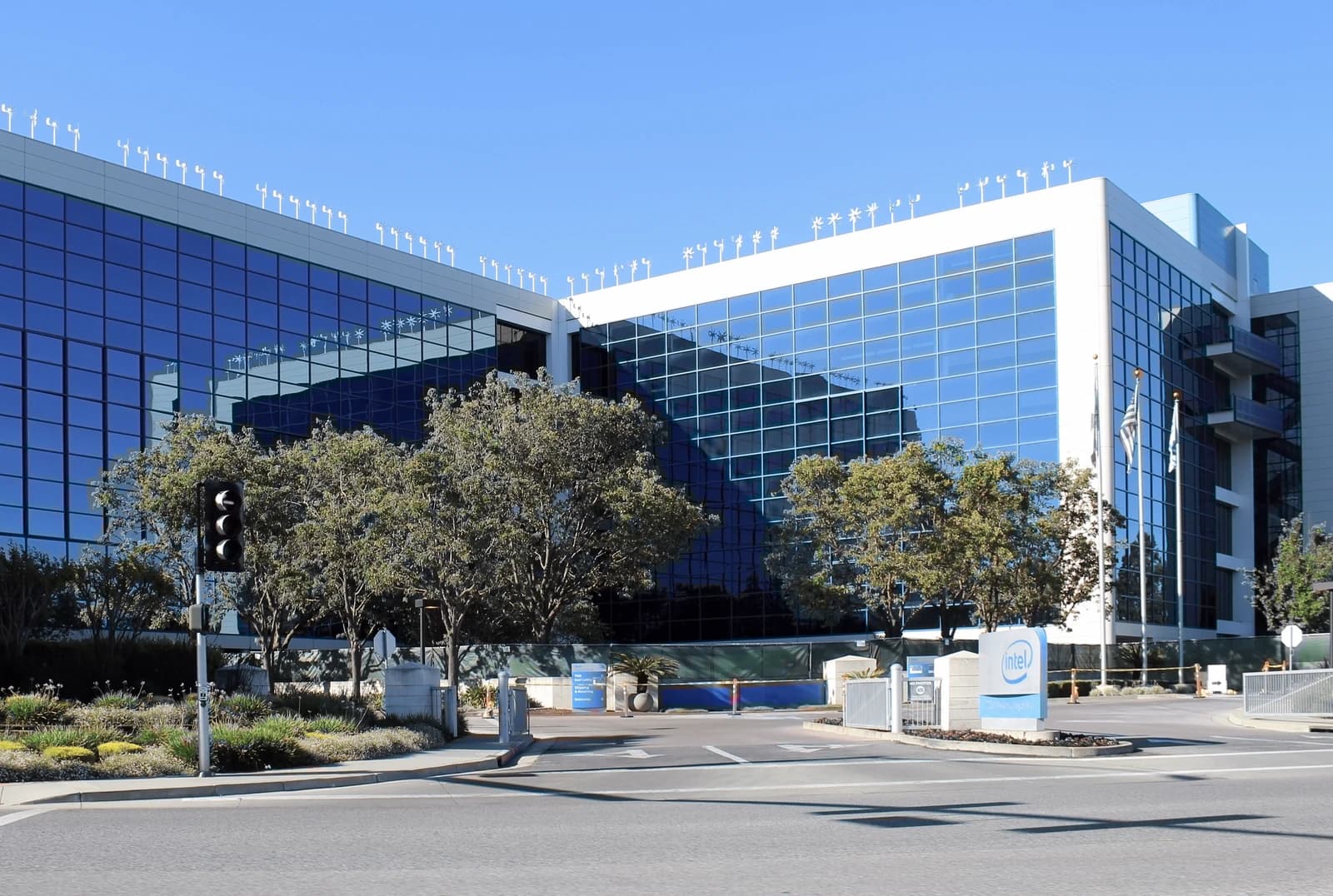
The latest round of layoffs, reported to be hitting Intel’s global IT division, adds to the two-year workforce reduction already underway under CEO Lip-Bu Tan. Intel said it regularly reviews its staffing to make sure employees and resources line up with business priorities, which is corporate-speak for a leaner company focused on the businesses that matter most.
Sentiment Indicators
For investors, the point is bigger than another cost-cutting headline. Intel has spent years trying to close the gap with more nimble rivals in AI, data centers and advanced manufacturing, and every dollar saved on overhead is a dollar that can be pushed toward that race. Intel’s latest quarterly filing showed employee severance and benefit costs of $55 million in the most recent quarter and $290 million year to date, a sign the restructuring is already running through the financial statements.
That matters because Intel is still under pressure to prove that discipline, not just ambition, can lift margins and free cash flow. The company’s R&D and management expenses were $4.5 billion in the quarter, underscoring how expensive the turnaround remains even as management trims the workforce. In other words, layoffs alone do not make Intel a better business, but they are part of the effort to make the business more investable.
The market is also watching Intel through the lens of competition. Nvidia and AMD remain formidable beneficiaries of the AI buildout, while Intel is still trying to show that its spending can translate into competitive products and manufacturing progress. With Intel stock showing elevated volatility and technical indicators flashing a deeply oversold profile at points in recent weeks, the market is clearly punishing uncertainty and rewarding any signs of operating discipline.
For long-term investors, the bigger narrative is whether Intel can turn a sprawling legacy structure into a tighter, more focused company that can survive and eventually thrive in a capital-intensive chip industry. If Tan can keep costs aligned with strategy while preserving the innovation budget, the layoffs may look less like a symptom of weakness and more like the painful but necessary cleanup that comes before a real turnaround. Worth watching, but still a story for patient investors rather than quick traders.
| Entity | Gains | Losses |
|---|---|---|
| Intel management | ▲More cost control | ▼Short-term morale |
| Intel shareholders | ▲Better margin potential | ▼Ongoing execution risk |
| Laid-off employees | ▲Severance packages | ▼Job security |
| AMD and Nvidia | ▲Relative competitive breathing room | ▼None directly |