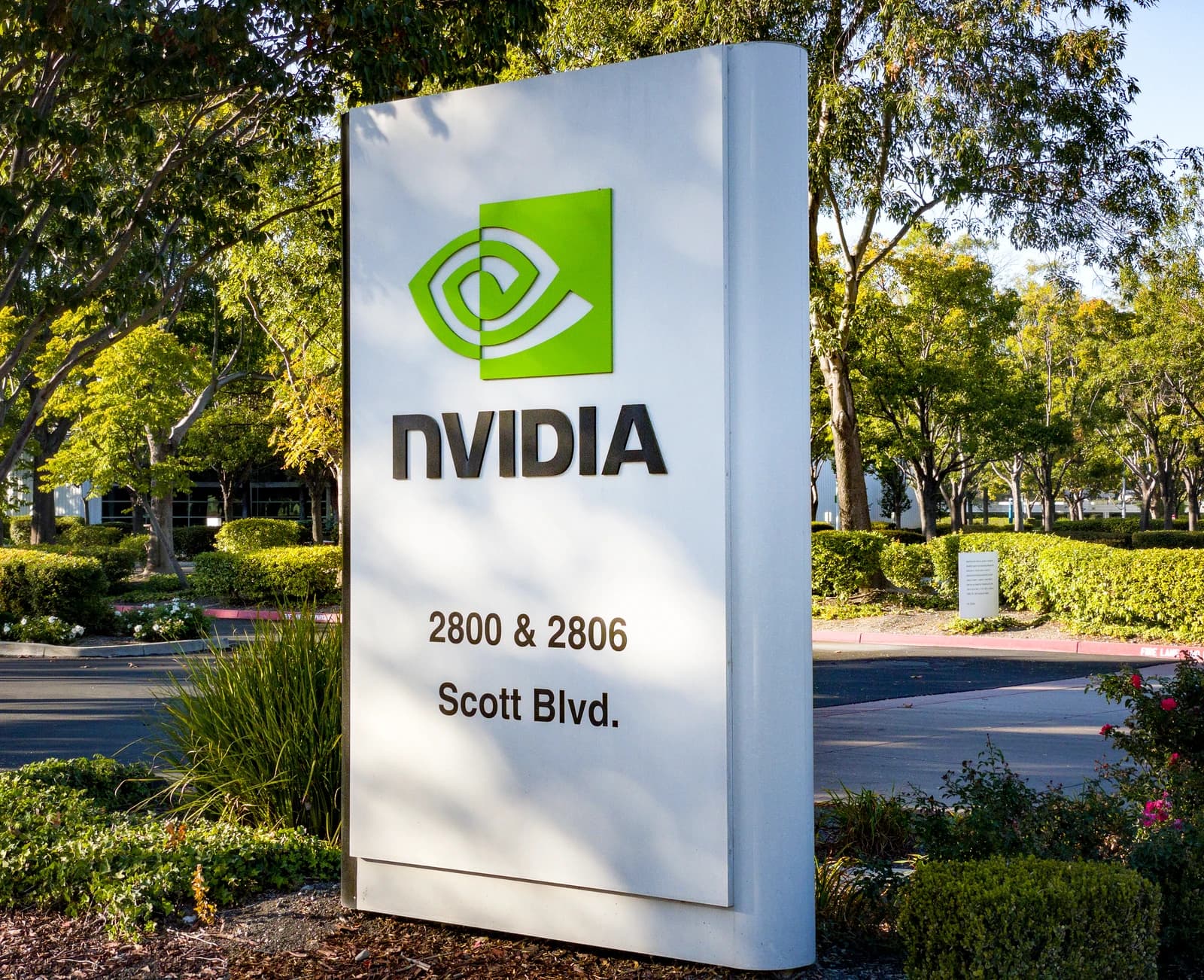
Nvidia’s attempt to build a $500 billion financing pipeline for AI chip buyers has run into the reality of Wall Street’s risk appetite: the money has not materialized, and the first deal is now unlikely to close before 2027.
Nvidia AI financing plan stalls on Wall Street

That matters because the plan was meant to do more than fund one customer. It was designed to turn Nvidia’s chips into collateral for a new kind of lending market, broadening the pool of buyers for expensive AI infrastructure at a time when the sector’s capital needs are rising faster than many companies’ balance sheets can support. If the financing cannot scale, the next phase of the AI buildout may become more dependent on a narrower group of hyperscalers, sovereign money and firms with stronger credit profiles.
Sentiment Indicators
Nvidia Corp
The stalled initiative underscores a basic tension in the AI boom: demand for compute remains enormous, but the cost of funding it is increasingly biting. Nvidia had pitched a broad partnership with Apollo Global Management, Blackstone, BlackRock, Brookfield, Goldman Sachs and KKR to help customers from OpenAI and Anthropic to smaller startups buy its processors. Yet people familiar with the talks said the memorandum of understanding was only a few pages long and did not bind the firms to commit capital. The $500 billion figure was an ambition, not booked financing.
The financing hurdle is not just structural but commercial. Nvidia’s proposed support level — the company said in August it could cover as much as 25% of a project’s cost — appears too thin for many lenders, especially when compared with deals struck by Broadcom, where financing reportedly covered about 85% of a $35 billion package for Anthropic and nearly three-quarters of a later $63 billion transaction. In a credit market that is becoming more selective toward lower-rated AI names, lenders want more protection, not less.
Nvidia Corp — 30-day sentimentadalytica.com
Explore this data interactively — full history, time series and cross-market comparisons.

That shift matters for investors because it changes how sustainable the AI spending cycle may be. The bull case for Nvidia has been that its products sit at the center of an expanding infrastructure layer with years of growth ahead. The bear case is that growth depends on increasingly elaborate financial engineering to keep customers buying. If lenders insist on larger cushions, then fewer AI projects pencil out, which could slow chip orders, compress financing-enabled demand and raise questions about who ultimately bears the risk in the ecosystem.
Nvidia’s shares have also been signaling discomfort with that uncertainty. The stock has fallen sharply from a recent peak, and technical indicators have weakened, with the shares trading below the 50-day moving average and the RSI deep in oversold territory in recent sessions. That reflects not only broad volatility in AI names but also a market that is reassessing the pace and quality of earnings growth tied to the boom.
Adalytica’s AI sentiment gauge still shows extreme greed in awareness terms but extreme fear in sentiment, a combination that fits a market fascinated by AI’s long-term promise while becoming more cautious about near-term financing strain. The contrast is even sharper for Nvidia, where awareness remains high but sentiment has deteriorated markedly over the past month.
For Nvidia, the message is clear: it can sell the picks and shovels of the AI buildout, but it cannot force the capital markets to finance every buyer on favorable terms. Until Wall Street is willing to underwrite that risk at scale, the next stage of the AI investment cycle may grow more slowly — and more selectively — than the industry’s biggest promises suggested.
| Entity | Gains | Losses |
|---|---|---|
| Nvidia | ▲Preserves chip demand if financing works | ▼Faces slower customer uptake |
| Wall Street lenders | ▲Higher yields from selective deals | ▼Greater exposure to AI credit risk |
| AI startups | ▲Access to cheaper capital | ▼Harder financing terms |
| Broadcom-style financiers | ▲Proved financing model | ▼Nvidia-led plan stalls |