US visa restrictions and permanent labor certification, or PERM, delays are forcing major India-focused IT services groups to lean more heavily on subcontractors, lifting costs in a business already under pressure to protect margins.
Infosys, Wipro, Accenture face higher subcontracting costs
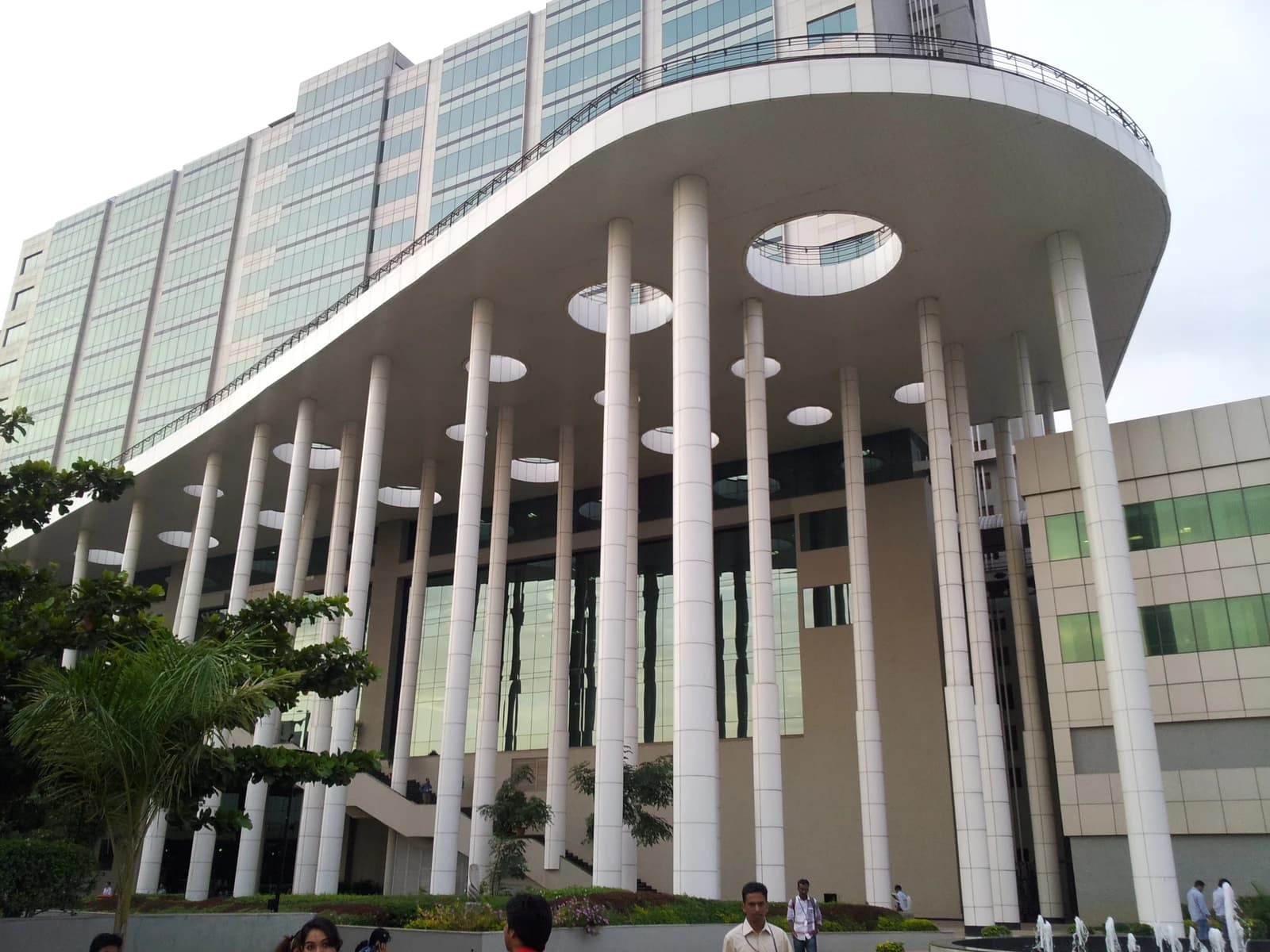
The higher subcontracting bill matters because labor is the core input for companies such as Accenture, Infosys and Wipro, and the ability to move staff quickly across borders has long been central to their delivery model. When visa processing slows or PERM approvals become more cumbersome, firms have fewer options to deploy their own employees onshore, leaving them to source expensive third-party labor to keep projects moving and contracts intact.
Sentiment Indicators
That trade-off hits profitability first. Subcontracting typically carries a higher cost than using in-house staff, and it can compress operating margins at a time when clients are still scrutinizing discretionary tech spending. For investors, that makes the mix of revenue growth and margin protection more important than headline deal wins. A firm can book work and still disappoint if the extra staffing expense eats into earnings quality.
The strain is showing up in market performance. Accenture shares have recovered sharply from their early-year lows and recently traded around $250.49, but the stock remains below its 200-day moving average of $187.44? Actually above it, reflecting a broad rebound after a volatile year. Infosys, by contrast, has struggled to sustain momentum, closing at $12.29 and still just above its 200-day average of $12.40, a sign that investors remain cautious about the margin outlook. Wipro has steadied near $2.12, modestly above its 200-day average of $2.03, but the stock’s muted range suggests the market is not pricing in a rapid easing of labor-cost pressure.
The underlying narrative is that policy risk is now part of the operating equation for global IT services. US immigration rules were once treated as a manageable nuisance; increasingly, they are a direct cost item that affects staffing flexibility, delivery speed and competitiveness. Firms with deeper local hiring benches, offshore delivery capability and stronger automation tools should be better insulated. Those that depend more heavily on visa-supported mobility may face a longer period of elevated subcontracting.
The broader backdrop is not especially forgiving. US equities are flashing extreme greed by Adalytica’s S&P 500 trade signal, but the payrolls sentiment reading is also elevated, suggesting a labor market that remains tight enough to keep wage and staffing pressure alive. For IT outsourcers, that means the relief from stronger demand may be offset by a stubborn cost base.
Investors will be watching whether companies respond by accelerating local hiring, increasing automation or passing through higher delivery costs. If they cannot, subcontracting could remain a margin headwind into next year, limiting upside even if demand stabilizes.
| Entity | Gains | Losses |
|---|---|---|
| Subcontractors | ▲More outsourcing demand | ▼— |
| IT services firms | ▲Project continuity | ▼Margins |
| Clients | ▲Staffing continuity | ▼Lower pricing leverage |
| Investors in ACN/INFY/WIT | ▲— | ▼Earnings quality |