Small businesses are still leaning into growth even as inflation keeps squeezing margins, and that resilience matters because these firms are a huge engine of U.S. hiring, spending and credit demand.
Small Businesses Face Inflation, Keep Hiring Plans
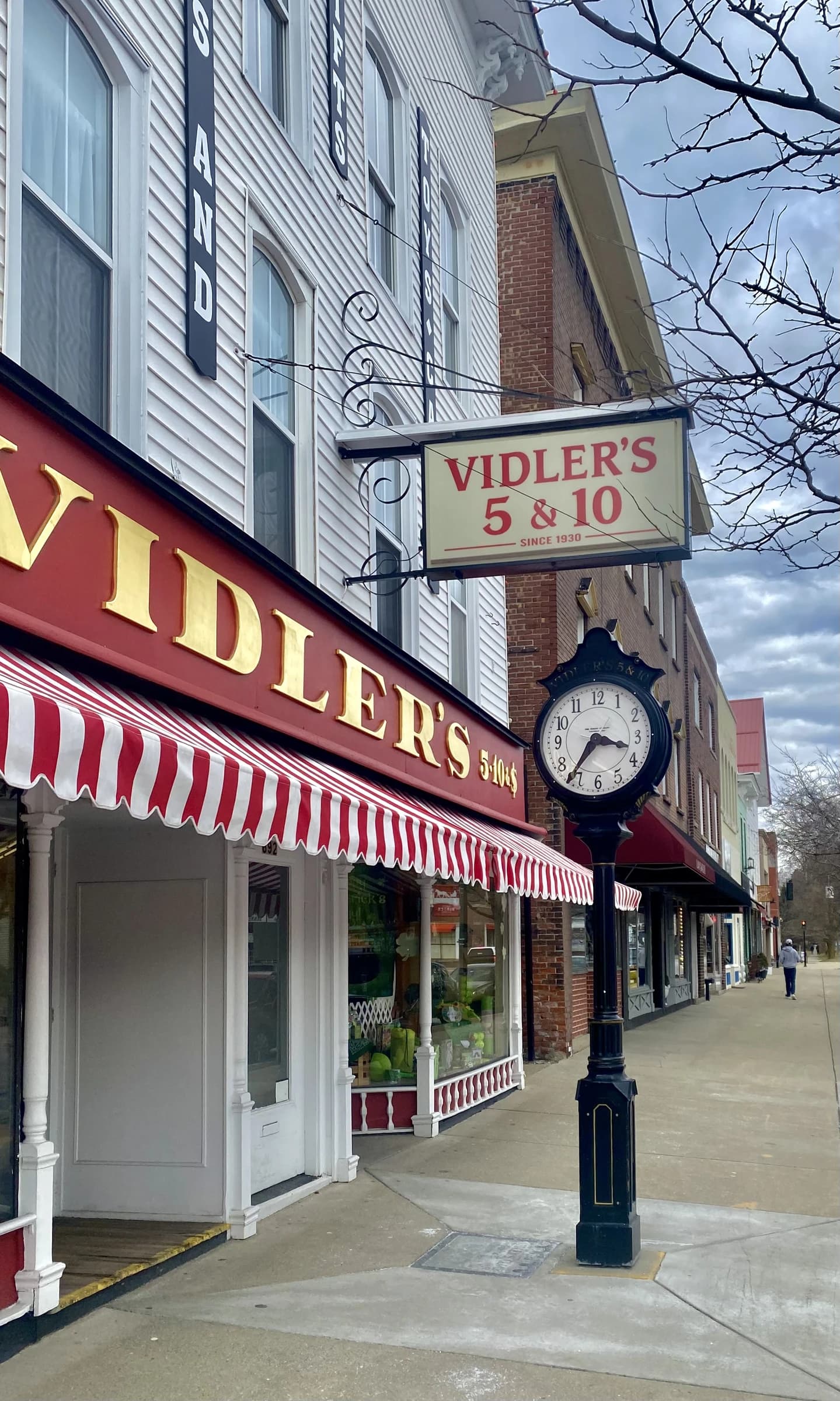
Bank of America’s annual survey found that more than 90% of small- and mid-sized business owners said their costs rose over the past year, while three-quarters worry about inflation in the year ahead. Yet the response has not been retreat. Just under half of owners still plan to expand over the next 12 months, over half expect revenue to increase and close to 40% intend to hire additional staff.
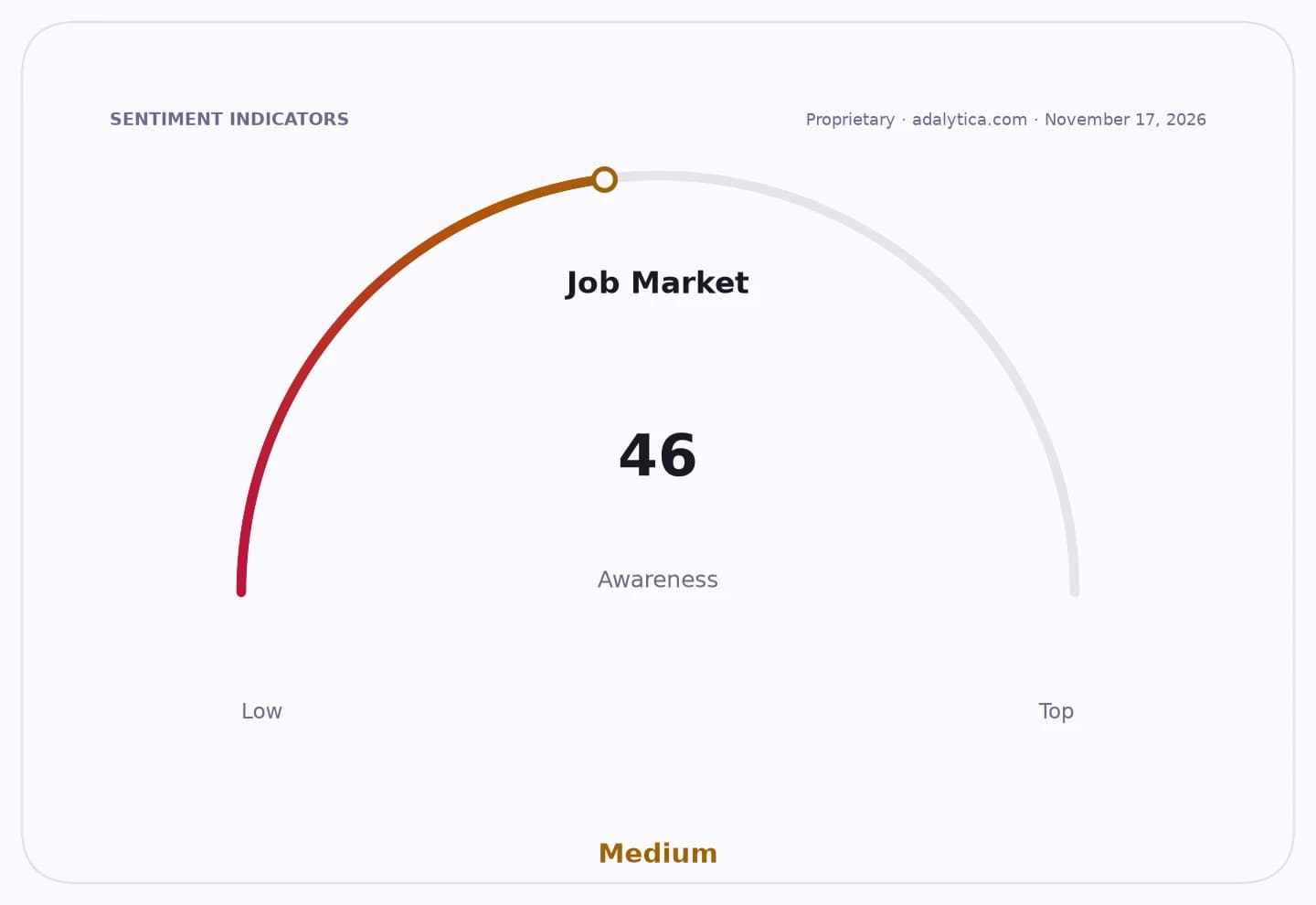
Sentiment Indicators
CPI
That is the real takeaway for investors: higher costs are slowing ambition, not killing it. Owners are protecting growth by passing along some pain to customers, but not all of it. The average price increase reported in the survey was about 13%, compared with a 17% rise in costs, leaving a four-point gap that Miller said squeezes margins. In other words, Main Street is still trying to grow, but it is doing so more carefully, with less cushion.
The backdrop helps explain why. U.S. inflation remains far from the easy-money era businesses got used to, with the consumer price index still elevated and the 10-year Treasury yield around 5.1%, keeping financing costs high. Unemployment is low at 4.1%, which supports demand, but it also means small firms must compete harder for labor and can’t rely on a weak economy to bail them out. For many owners, that combination makes every expansion decision more expensive and more deliberate.
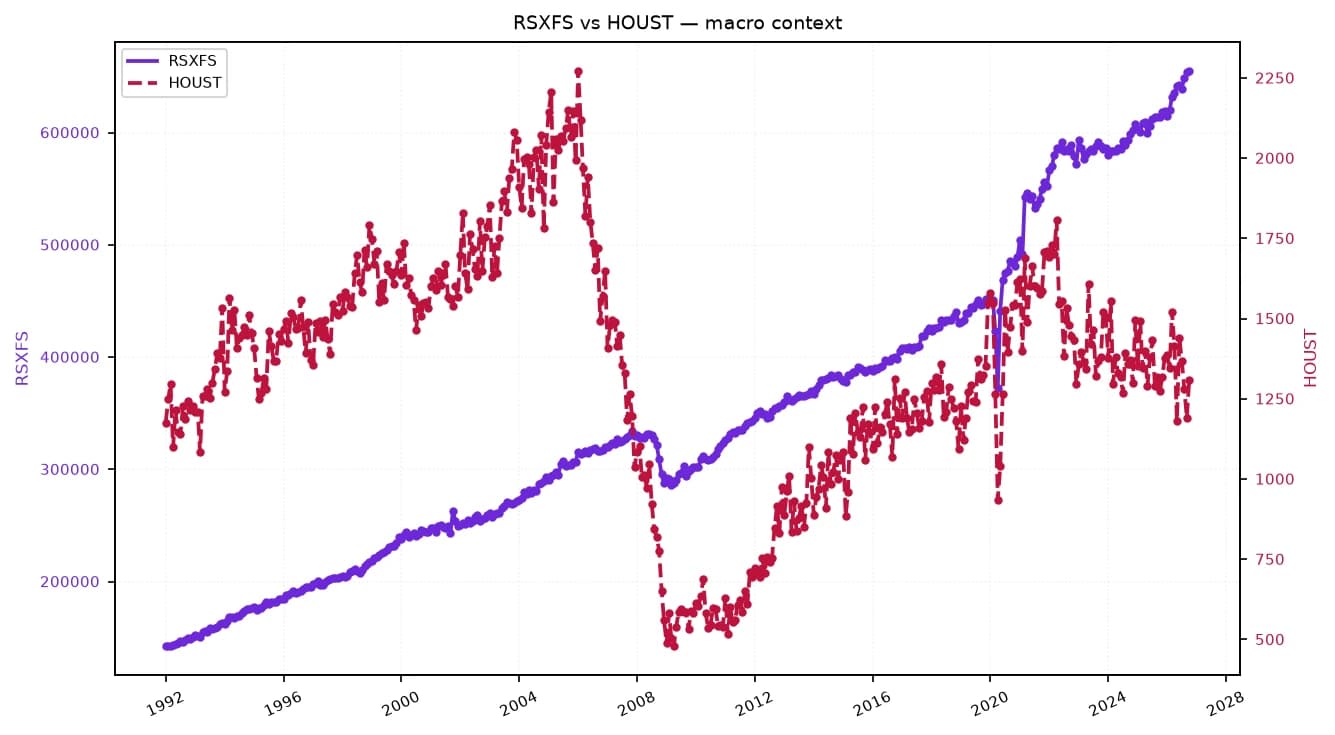
CPIAUCSL vs UNRATE — macro contextadalytica.com
Explore this data interactively — full history, time series and cross-market comparisons.
CPI
The BofA survey also shows how quickly the small-business toolkit is changing. About 84% of respondents said they are using artificial intelligence in some form, mainly for marketing, data analysis, workflow automation and customer service. That is important because digital adoption is no longer a luxury reserved for larger companies. For smaller firms, AI can help offset labor shortages, improve productivity and widen the gap with slower-moving competitors.
That is where the long-term investment story gets interesting. Banks such as Bank of America and Wells Fargo benefit when small businesses keep borrowing, depositing and transacting, even in a higher-cost environment. Payment processors, software providers and cloud-linked service vendors can also gain as owners spend on automation and efficiency. At the same time, the firms most exposed to cash-strapped consumers or thin-margin discretionary spending may feel the pressure if owners continue to raise prices and customers push back.
For investors, the message is not that small businesses are invincible. It is that they remain adaptable, and adaptability is one of the most durable competitive advantages in the economy. If owners keep hiring, investing and adopting AI despite tighter margins, the U.S. small-business sector can keep fueling growth even without a perfect macro backdrop. That makes the group worth watching for anyone thinking in years, not quarters.
| Entity | Gains | Losses |
|---|---|---|
| Small businesses | ▲Growth, AI productivity | ▼Margin pressure |
| Bank of America and lenders | ▲Loan demand, deposits | ▼Higher credit risk |
| AI and software vendors | ▲More adoption, spending | ▼Slower digital laggards |
| Consumers | ▲More services, jobs | ▼Higher prices |