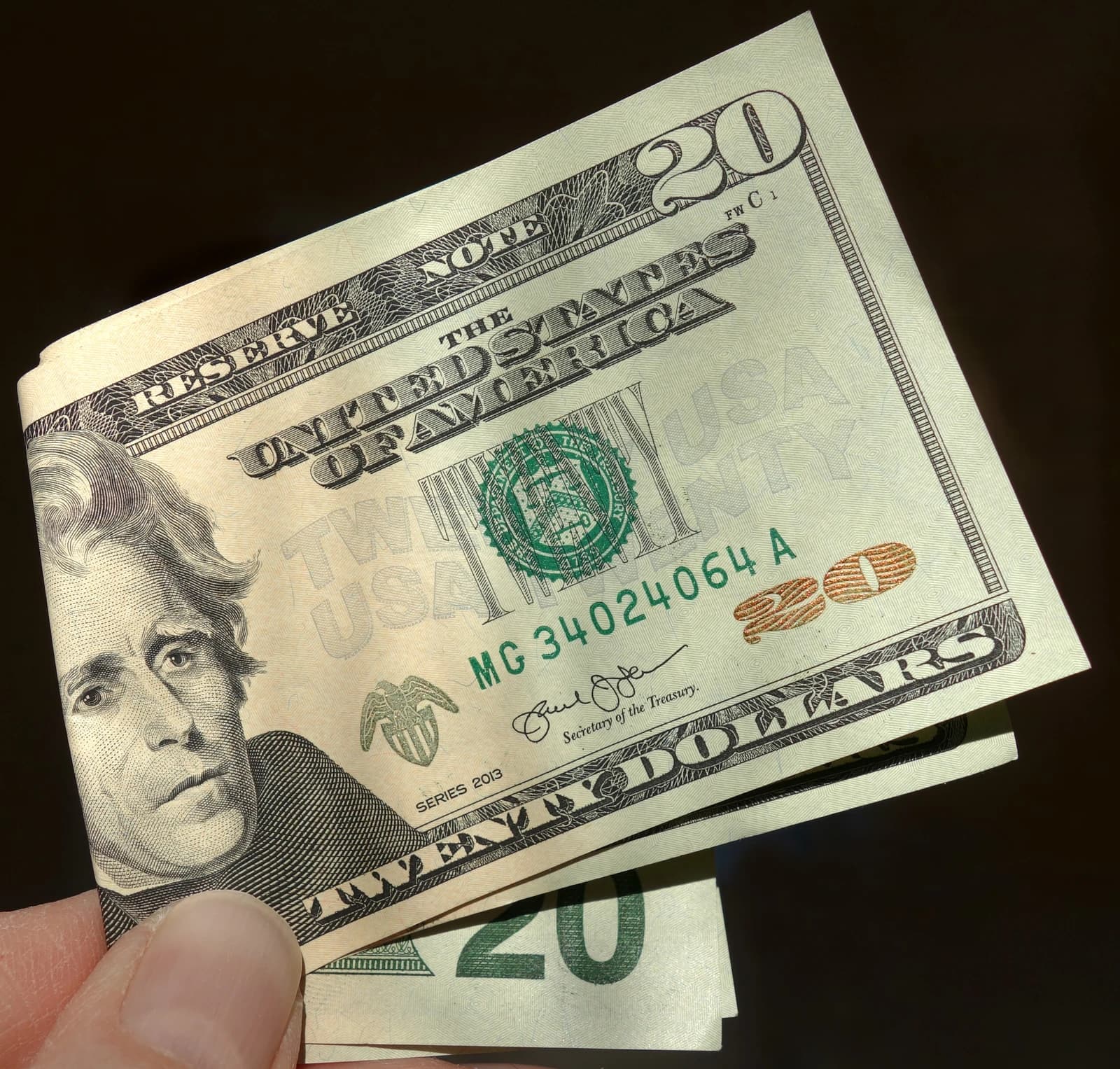
The U.S. dollar is losing ground even as traders raise the odds of a Federal Reserve rate hike this month, a sign that the market is starting to price a world where tighter U.S. policy no longer guarantees a stronger greenback.
Dollar Falls as Fed Hike Odds Rise
That matters because the dollar has been one of the market’s most important macro anchors this year. If investors believe higher rates are coming but still don’t want dollars, it suggests the currency’s yield advantage is being offset by a broader shift in global capital flows, rising inflation risk from energy, and expectations that other central banks will also stay tight. In other words, the dollar’s traditional dominance is not as clean a trade as it was in past hiking cycles.
Sentiment IndicatorsⓘProprietary · adalytica.com · September 7, 2026
This is a snapshot — live sentiment, awareness and momentum for 130+ markets update continuously in the dashboard.Open AlphaPulse
The move comes as tensions in the Middle East keep oil traders on edge, raising the risk that energy prices stay elevated and feed back into inflation. That complicates the Fed’s job and weakens the usual “higher U.S. rates, stronger dollar” playbook. Markets now see roughly a 57% chance of a September hike after strong U.S. jobs data, but that has not been enough to ignite a sustained bid in the currency.
The dollar index hovered near 98.9 in recent trading, below its 50-day average of about 100.2, while its relative strength index was around 39.9, a sign of weakening momentum in conventional technical terms. At the same time, the UUP dollar ETF held near $28.08, only modestly above its 200-day moving average, showing that the move is more a drift lower than a panic selloff. That is exactly the kind of setup investors should pay attention to: not a collapse, but a slow repricing of the global dollar regime.
DGS10 vs FEDFUNDS — macro contextadalytica.com
Explore this data interactively — full history, time series and cross-market comparisons.Open AlphaPulse
The yen is one of the clearest beneficiaries. It firmed to about 156.01 per dollar after last week’s more than 2% gain, as traders increased bets that the Bank of Japan could lift rates this month and some Japanese capital comes home. That matters well beyond foreign exchange. A stronger yen can unwind carry trades, tighten global liquidity and pressure assets that benefited from cheap funding.
Europe is another piece of the puzzle. If the European Central Bank and the Bank of Japan both lean tighter while the Fed only edges higher, the dollar’s yield edge narrows faster than many investors expected. That is why the market has not rewarded the greenback simply for a higher probability of a Fed move. Higher U.S. rates are no longer enough on their own.
The bigger investable implication is that dollar weakness may become a tailwind for assets priced in dollars, from commodities to multinational earnings, while pressuring import-sensitive economies and leveraged carry trades. Bitcoin holding near $80,000 also fits that narrative: some investors are using alternative assets as a hedge against dollar concentration and policy uncertainty.
My view is that the market underestimates how quickly the dollar can lose leadership once the Fed is no longer the only major central bank tightening and fiscal and geopolitical risks keep inflation sticky. That creates an asymmetric setup for non-dollar assets and exporters, while punishing holders of crowded dollar-long positions.
For investors, the message is simple: don’t chase the dollar just because a rate hike is back on the table. The better trade may be positioning for a weaker greenback, a firmer yen and renewed strength in commodities and global cyclicals if inflation fears stay elevated into the next Fed decision.
| Entity | Gains | Losses |
|---|---|---|
| Japanese yen | ▲Higher-rate expectations | ▼Carry-trade funding demand |
| Non-U.S. exporters | ▲Translation tailwind | ▼Dollar bulls |
| Commodities | ▲Inflation hedge demand | ▼Dollar strength trades |
| UUP / long-dollar holders | ▲None | ▼Momentum fades |