The dollar fell and the yen strengthened as investors positioned for US inflation data that could quickly reshape expectations for Federal Reserve policy and the next move in global currency markets.
Dollar Falls as Traders Await US Inflation Data

That matters because inflation remains the key input for whether the Fed can justify cutting rates, holding steady or keeping policy tighter for longer. A hotter reading would tend to support the dollar by reviving the case for higher US yields, while a softer print would give the yen room to extend gains as the interest-rate gap between the US and Japan narrows at the margin. For investors, that gap still drives much of the cross-border flow in currencies, bonds and overseas equities.
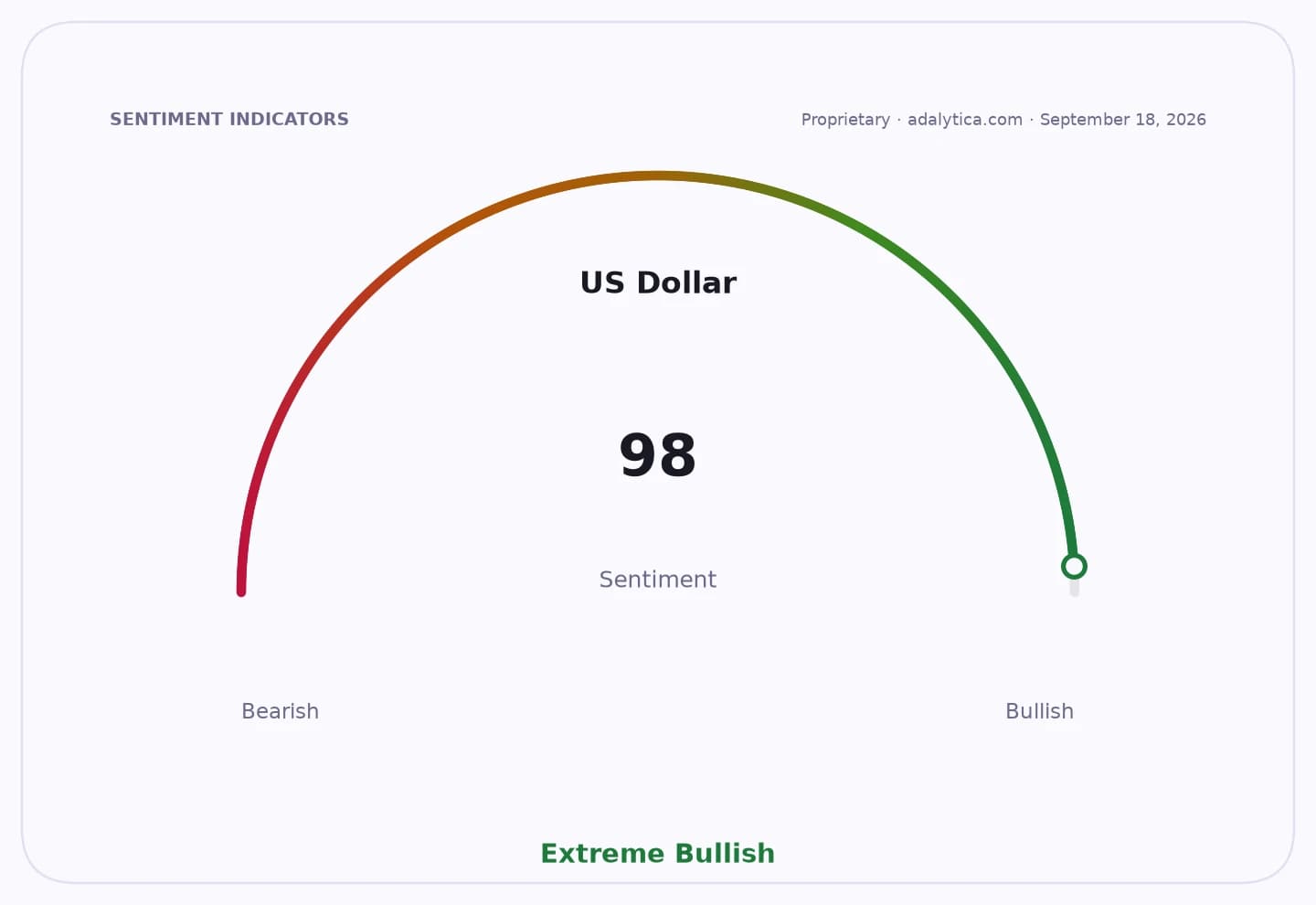
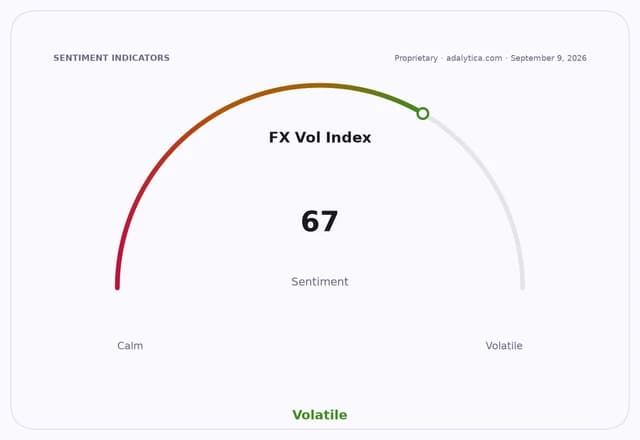
Sentiment IndicatorsⓘProprietary · adalytica.com · September 9, 2026
This is a snapshot — live sentiment, awareness and momentum for 130+ markets update continuously in the dashboard.Open AlphaPulse

The move in the market was measured but telling. The US dollar trade signal on Adalytica rose to 73, flagged as “Greed,” even as its one-day change slipped 5 points, suggesting enthusiasm for the greenback has cooled into the inflation release. At the same time, the yen-tracking FXY fund climbed to 59.70 from 59.56, and its relative strength index sat at 70.6, a level that often reflects firm near-term momentum in conventional technical analysis. The dollar ETF UUP was little changed at 27.98, but it has eased from recent highs, while its 50-day moving average sits above the latest price, another sign the broader trend has flattened.
Treasury markets are also leaning into the data. The 10-year US yield was around 4.79%, near its recent highs, underscoring how sensitive rates remain to inflation surprises. Adalytica’s signal on Treasury bonds showed extreme greed, reflecting strong demand for duration if investors begin to think the next inflation print could cool the case for further tightening. That’s important because US yields are one of the biggest forces behind currency direction, especially against the yen, which has been supported by Japan’s still-loose policy backdrop.
For long-term investors, the immediate takeaway is not to chase every tick in the dollar or yen, but to understand the bigger engine at work: inflation shapes central bank policy, policy shapes yields, and yields shape exchange rates. If US inflation comes in softer than expected, it could give global markets a cleaner path toward rate cuts and support assets that benefit from cheaper financing. If it runs hot, the dollar may regain some lost ground, and pressure could return to rate-sensitive sectors and foreign markets.
Either way, this is a moment to stay diversified and patient. Currency swings can be sharp, but they rarely overturn the long-term case for owning quality assets across regions and sectors. For investors, the inflation report is worth watching closely, but not trading emotionally.
| Entity | Gains | Losses |
|---|---|---|
| Yen bulls | ▲Stronger FX momentum | ▼Carry trades |
| Dollar bulls | ▲Hot inflation surprise | ▼Softer CPI print |
| US Treasury buyers | ▲Lower yields if inflation cools | ▼Bond sellers if CPI runs hot |
| International investors | ▲Better visibility on Fed path | ▼More currency volatility |