Magín Díaz is making a simple but important argument: the Dominican government has absorbed a huge part of the global oil shock, and that helped keep fuel prices far below the rise in crude itself. For investors, that matters because it speaks to the country’s inflation path, consumer demand and fiscal discipline all at once.
Dominican Republic Capped Fuel Prices With Subsidies

According to the finance minister, international oil prices surged as much as 70% to 80% during the crisis, while Dominican gasoline rose about 17% and other fuels between 15% and 18%. The gap was bridged by roughly RD$30 billion in public spending to cushion the blow, Díaz said, underscoring how policy can blunt imported inflation when energy markets turn violent.
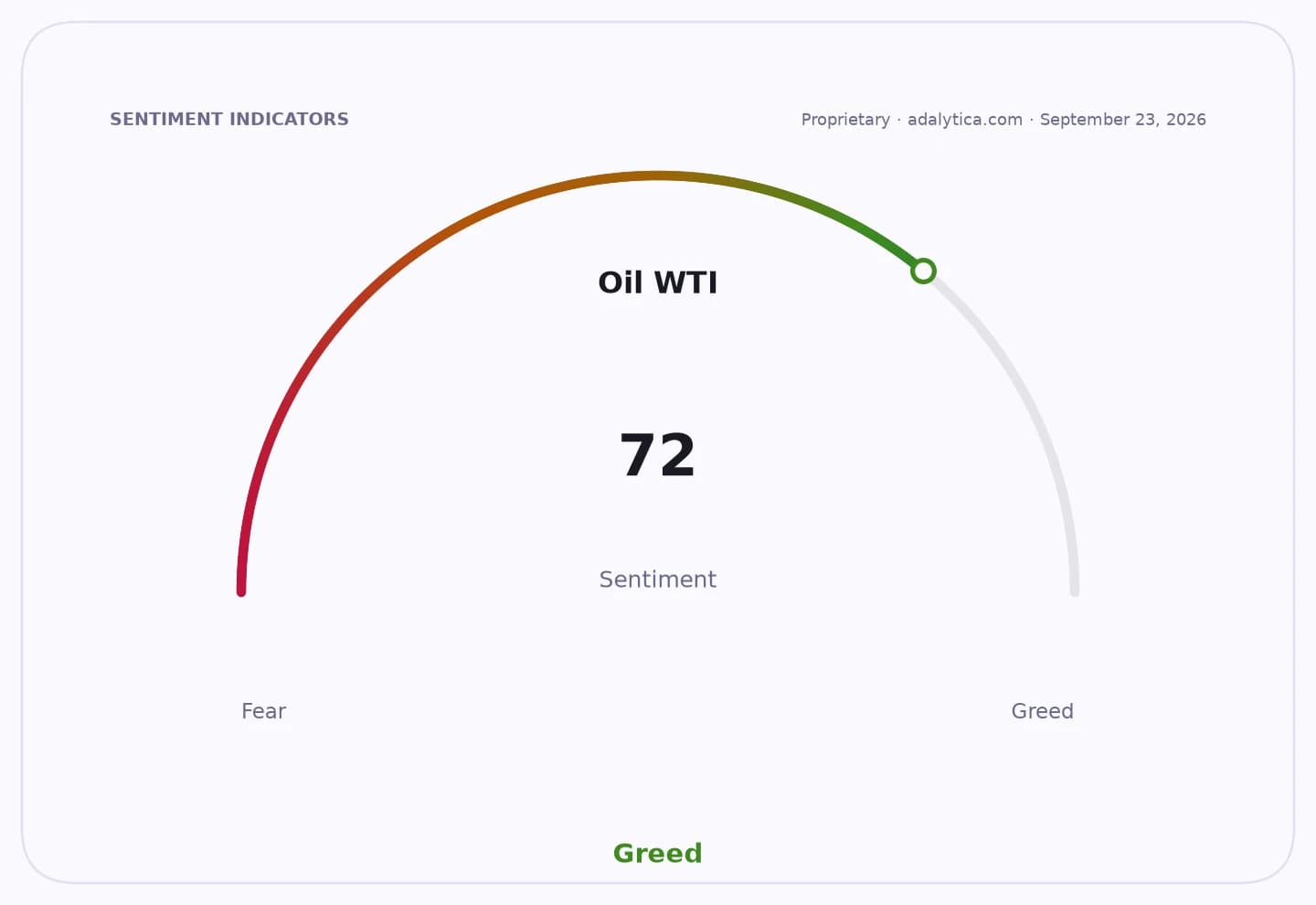
Sentiment IndicatorsⓘProprietary · adalytica.com · September 9, 2026
This is a snapshot — live sentiment, awareness and momentum for 130+ markets update continuously in the dashboard.Open AlphaPulse
That matters economically because fuel is one of the fastest ways a global commodity shock seeps into household budgets, transport costs and business margins. When governments hold the pass-through down, they can buy time for the broader economy — and that appears to be what Santo Domingo tried to do while keeping macro stability, social stability and fiscal control in view.
The broader context is an oil market that has remained highly sensitive to Middle East tensions and supply disruptions. US crude has climbed sharply this year, and energy equities have responded in kind, with the Energy Select Sector SPDR Fund and refiner stocks such as Marathon Petroleum extending strong gains as margins and crude prices stayed elevated. That tells you the pressure on fuel-importing countries has been real, even if local consumers have not felt the full force of it.
Díaz also said the economy is growing 4.5% through July and that the fiscal deficit remains under control. If those numbers hold, the government’s fuel subsidy strategy may be doing what policymakers want most: protecting real incomes without blowing up the budget. For long-term investors, that is generally constructive for domestic consumption, credit quality and the stability of the operating environment.
The catch is sustainability. Subsidizing fuel in a world of volatile oil prices is expensive, and it only works for so long if crude remains elevated or rises again. But for now, the Dominican Republic is showing how a government can soften a global energy shock and preserve growth, which is exactly the kind of policy backdrop patient investors should watch closely.
| Entity | Gains | Losses |
|---|---|---|
| Dominican consumers | ▲Smaller fuel shock | ▼Full oil-price pass-through |
| Government of Dominican Republic | ▲Stability and political cover | ▼Fiscal room from RD$30 billion spending |
| Oil producers | ▲Higher crude revenue | ▼Demand restraint from subsidies |
| Fuel importers and transport firms | ▲Short-term price relief | ▼Budget pressure if subsidies fade |