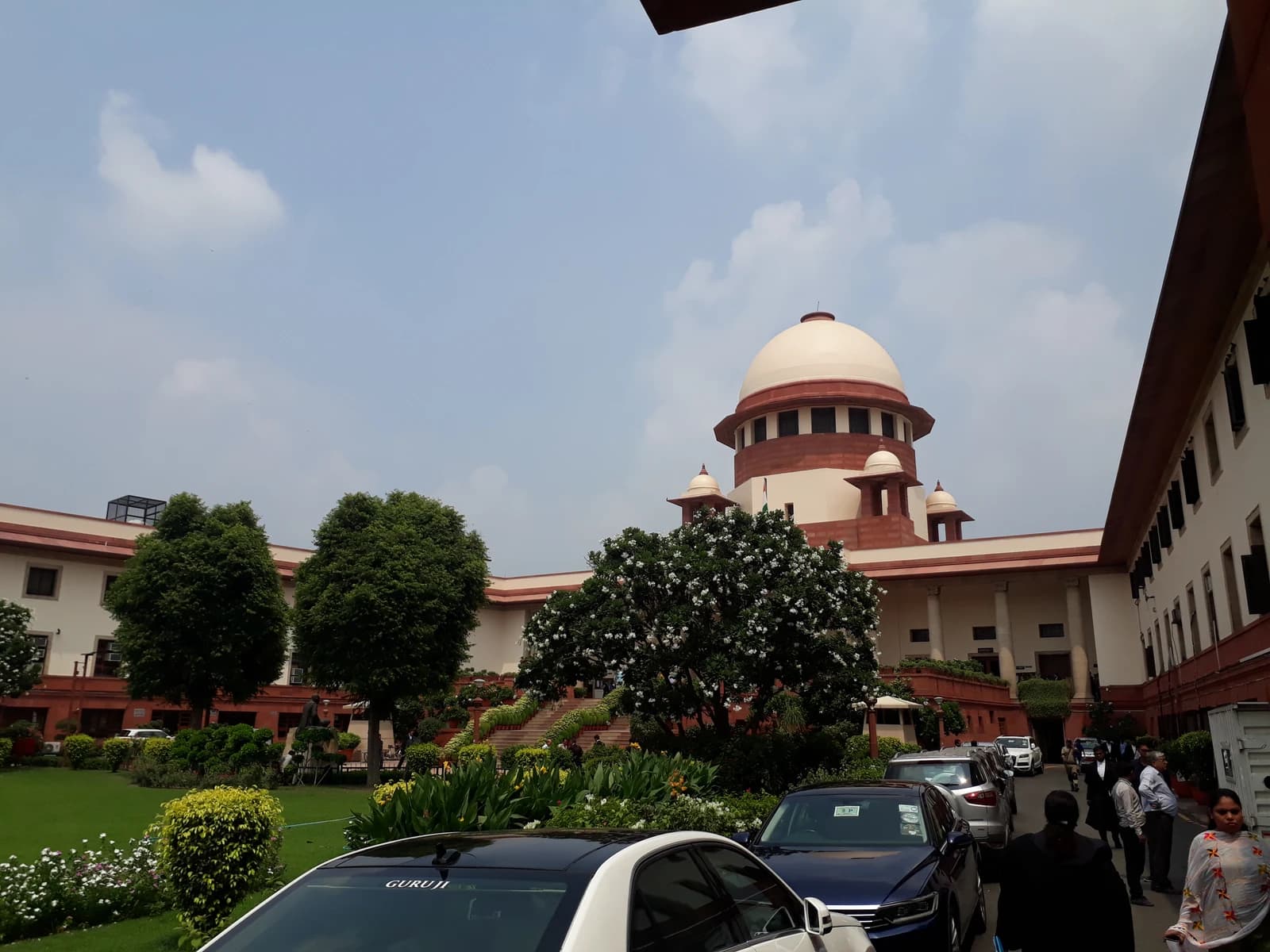
The Department of Personnel and Training has warned that a Supreme Court ruling on the OBC creamy layer could have a far wider impact than the immediate dispute, after service allocation for 958 candidates remained stuck pending judicial clarity.
DoPT Flags Wider Impact of OBC Creamy Layer Ruling
That makes the case more than an administrative delay. It goes to the heart of how reservation rules are applied across government recruitment, where uncertainty over eligibility can slow postings, unsettle selection lists and expose the Centre to fresh litigation. For candidates waiting for appointments, the issue is immediate; for policymakers, it raises the cost of acting without a settled interpretation from the court.
The creamy layer principle, which excludes relatively better-off members of Other Backward Classes from reservation benefits, has long been one of the most contested parts of India’s affirmative-action framework. The DoPT’s concern suggests the current matter could influence not only the 958 pending allocations, but also broader hiring exercises in ministries, public services and other recruitments where OBC quotas are used.
The timing matters economically because government jobs remain a major source of stable employment in India, particularly for middle- and lower-income households. Any delay in appointments can ripple through household finances, consumption decisions and local labor markets, especially when recruitment calendars are already stretched by legal and administrative bottlenecks.
Politically, the ruling has also sharpened debate around OBC reservation in states such as Madhya Pradesh, where the Congress is pressing for stronger measures and is even considering an ordinance route. That raises the possibility of a wider federal-policy clash if state governments move ahead while the Centre waits for the Supreme Court to clarify the law.
For investors, the immediate market impact is limited, but the policy risk is real. Uncertainty around reservation implementation can affect hiring schedules in public-sector institutions, add legal friction to recruitment-heavy agencies and prolong administrative delays in sectors that depend on government processes, including banking and education.
The key question now is whether the Supreme Court’s forthcoming guidance narrows the dispute or opens a more complicated precedent on how creamy layer exclusions are to be enforced. Until then, the standoff leaves thousands of candidates in limbo and keeps OBC reservation politics at the center of a broader national debate over equity, employment and implementation.
| Entity | Gains | Losses |
|---|---|---|
| OBC candidates waiting for clarity | ▲Potentially faster resolution | ▼Continued job-allotment delay |
| DoPT / Centre | ▲Legal guidance on implementation | ▼Administrative pressure and scrutiny |
| States pushing broader OBC quotas | ▲Political leverage in debate | ▼Risk of conflict with court ruling |
| Recruiters / public employers | ▲Clearer rules if SC rules soon | ▼Stalled postings and planning uncertainty |