India’s 8th Central Pay Commission is moving into a crucial phase in Mumbai this week, and the stakes are far bigger than a routine round of consultations: the panel’s eventual recommendations could reshape pay, pensions and allowances for roughly 50 million central government employees and 65 million pensioners.
India Central Pay Commission Meets in Mumbai
That makes the commission one of the most economically important policy processes now underway in India. Any meaningful revision to salaries and retirement benefits would feed directly into household consumption, government spending and fiscal planning, with the largest exposure sitting in railways and defence, where the workforce is heavily concentrated. Investors should view the process not as an administrative exercise, but as a potential demand catalyst for consumption-linked sectors and a cost variable for the sovereign.

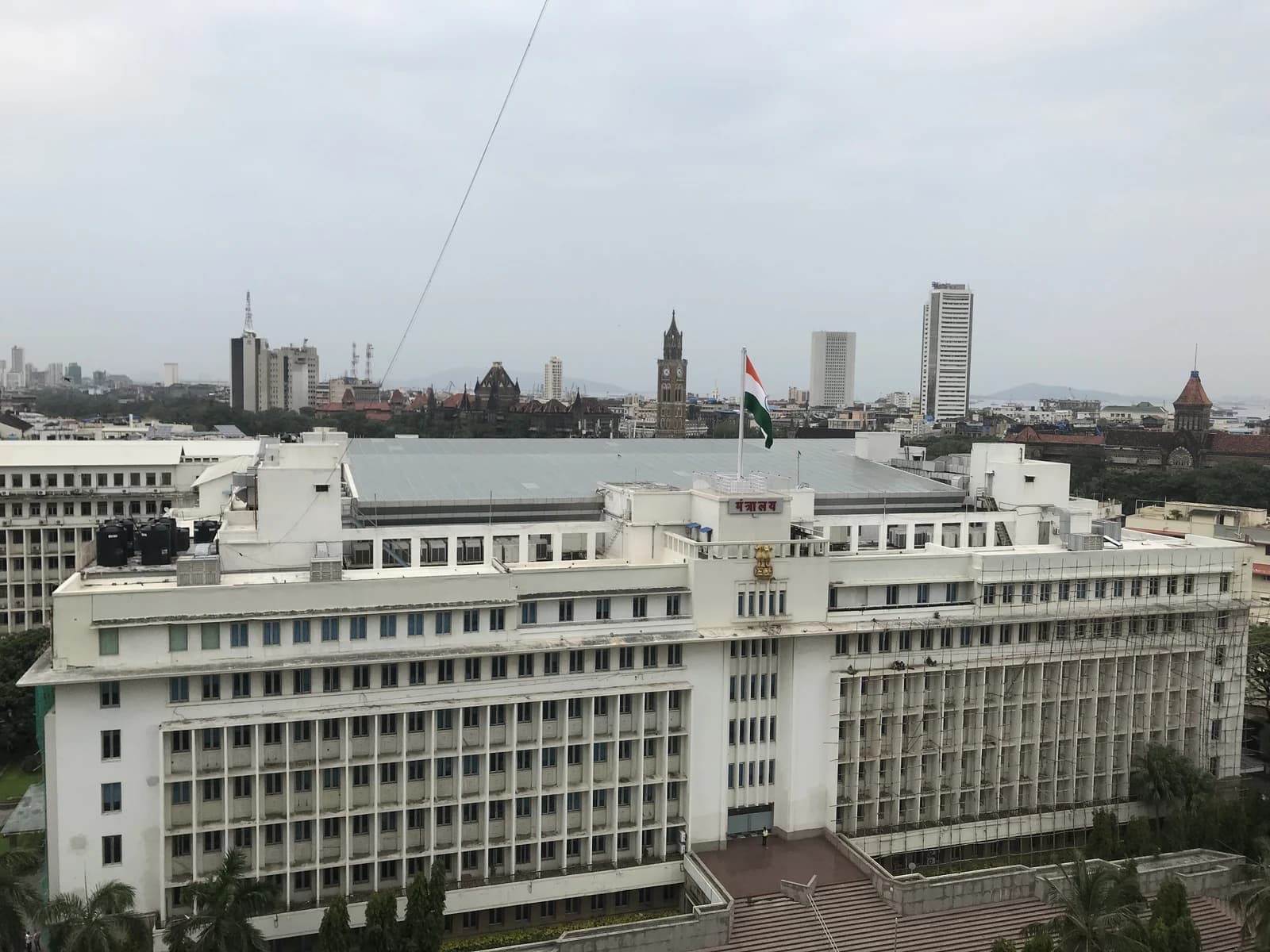
The Mumbai visit, set for Oct. 22-23, is the latest step in a process chaired by former Supreme Court judge Ranjana Prakash Desai, with former IAS officer Pankaj Jain serving as member-secretary and economist Pulak Ghosh on the panel. The commission will meet employee unions, pensioner bodies and other stakeholder groups to gather demands on wages, dearness allowance, pensions and service conditions before drafting its recommendations.
What makes this round especially relevant is the scale of the base it touches. Even a moderate increase in basic pay or pension can ripple through spending patterns for millions of salaried households, lifting demand for travel, consumer goods, housing and discretionary purchases. That is why pay commission cycles have historically mattered far beyond government payrolls: they are an indirect stimulus mechanism, especially when inflation and living-cost pressures remain a political and economic concern.
The commission is also expected to assess working conditions on the ground, including the pressures faced by track maintenance staff, the strain on 24-hour signalling systems and control rooms, and broader service-related risks. That practical review matters because it could influence not only wage recommendations but also staffing norms, safety-related allowances and pension calculations.
For markets, the immediate question is not whether the commission will recommend a hike, but how large the increase will be and how it will be financed. A generous award would be supportive for banks, consumer stocks, autos, travel and retail, while a heavier fiscal burden could limit room for other government spending or keep pressure on bond investors watching India’s deficit trajectory.
The timeline also matters. The government has given the commission 18 months from its November 2025 formation to submit its final report, implying a recommendation window around May 2027. Until then, every indication of the likely pay structure will be parsed for clues on the scale of the eventual boost — and on which parts of the economy stand to gain most when the revision finally lands.
| Entity | Gains | Losses |
|---|---|---|
| Central government employees | ▲Higher pay and allowances | ▼Delayed relief if review is modest |
| Pensioners | ▲Bigger pensions and benefits | ▼Inflation if hikes lag living costs |
| Consumer-linked sectors | ▲Stronger household spending | ▼— |
| Government finances | ▲— | ▼Higher salary and pension bill |