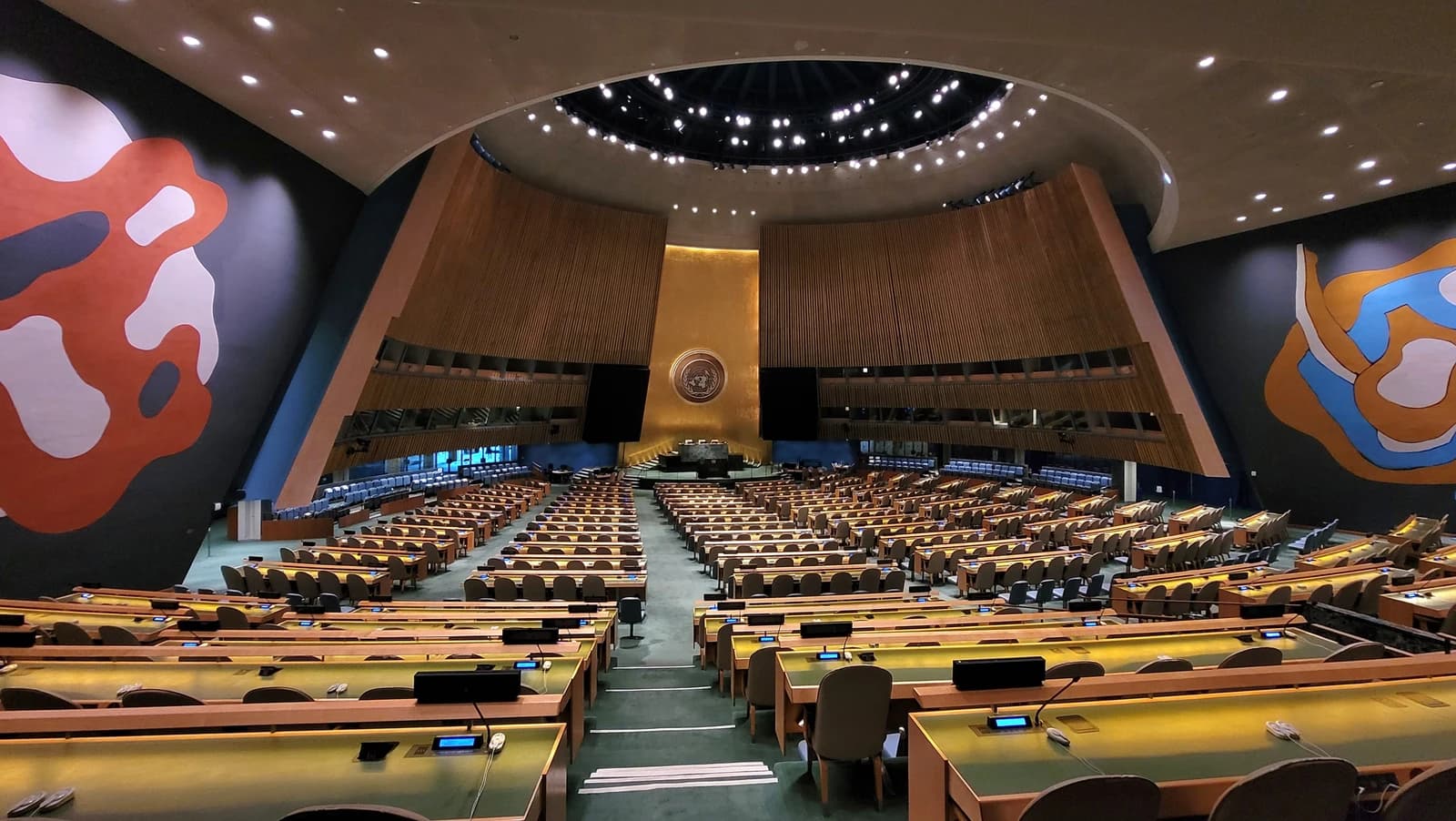
The Democratic Republic of Congo has moved a step closer to creating its first domestic stock market, with authorities targeting initial listings on the Kinshasa Stock Exchange between June and December 2027.
DRC targets first stock exchange listings in 2027
The timetable matters because the DRC, one of Africa’s biggest miners and a critical supplier of copper and cobalt to global industry, still lacks a local exchange through which companies can raise long-term capital beyond bank lending. A functioning market would give domestic investors direct access to national champions, while offering miners, smaller companies and start-ups a new financing route in a country where extractive industries dominate economic activity.
Sentiment IndicatorsⓘProprietary · adalytica.com · September 7, 2026
This is a snapshot — live sentiment, awareness and momentum for 130+ markets update continuously in the dashboard.Open AlphaPulse
Parliament’s new markets law, promulgated on Aug. 20 and published on Sept. 2, provides the legal basis for the exchange. Finance Minister Doudou Fwamba Likunde Li-Botayi said on Sept. 4 that the first listings are expected in the second half of 2027, but the project still needs an operational committee, a final roadmap and the supporting plumbing of a modern market infrastructure.
That infrastructure is substantial. Authorities plan to build a regulatory authority, a central securities depository and settlement banks to secure transactions, along with digital systems compatible with the central bank’s payments network. The exchange is also designed with two compartments: one for equities and bonds, and another for commodities covering agricultural, mining and industrial products.
For investors, the signal is less about immediate trading opportunities than about the eventual formalisation of one of Africa’s most resource-intensive economies. If executed, the exchange could broaden the investor base for Congolese miners, improve price discovery and potentially lower reliance on opaque bilateral funding or bank debt. A reduced corporate tax rate for companies that list is meant to help attract issuers, though the success of that incentive will depend on governance standards, liquidity and foreign participation.
The backing of the International Finance Corporation, the World Bank’s private-sector arm, lends some credibility to the initiative and suggests the authorities are looking for technical support rather than a purely political announcement. Even so, launching a credible exchange in a market with no prior domestic bourse will be a multi-year build, and the biggest test will be whether enough high-quality issuers come to market to create liquidity from day one.
For mining investors in particular, the project could eventually deepen local participation in a sector long dominated by international groups such as Kinross, BHP and Rio Tinto at the global level, even if those companies are not direct issuers in Kinshasa. The bull case is a broader capital market that captures more of the value created by the DRC’s resources. The bear case is a thin market that opens on schedule but struggles to attract listings, leaving the exchange more symbolic than functional.
| Entity | Gains | Losses |
|---|---|---|
| DRC government | ▲Capital-market credibility | ▼Pressure to deliver infrastructure |
| Congolese miners and issuers | ▲New funding source | ▼Higher disclosure burden |
| Local investors | ▲Direct equity access | ▼Liquidity and governance risk |
| Banks and bilateral lenders | ▲Less crowded capital market | ▼Loss of financing monopoly |