Dubai is building a new global aviation hub so large that its first phase alone could reshape how millions of travelers move through the Middle East, and investors should pay attention because this is not just an airport project — it is a decades-long bet on trade, tourism and the city’s role as a transfer point between East and West.
Dubai Al Maktoum Airport Expansion Plan
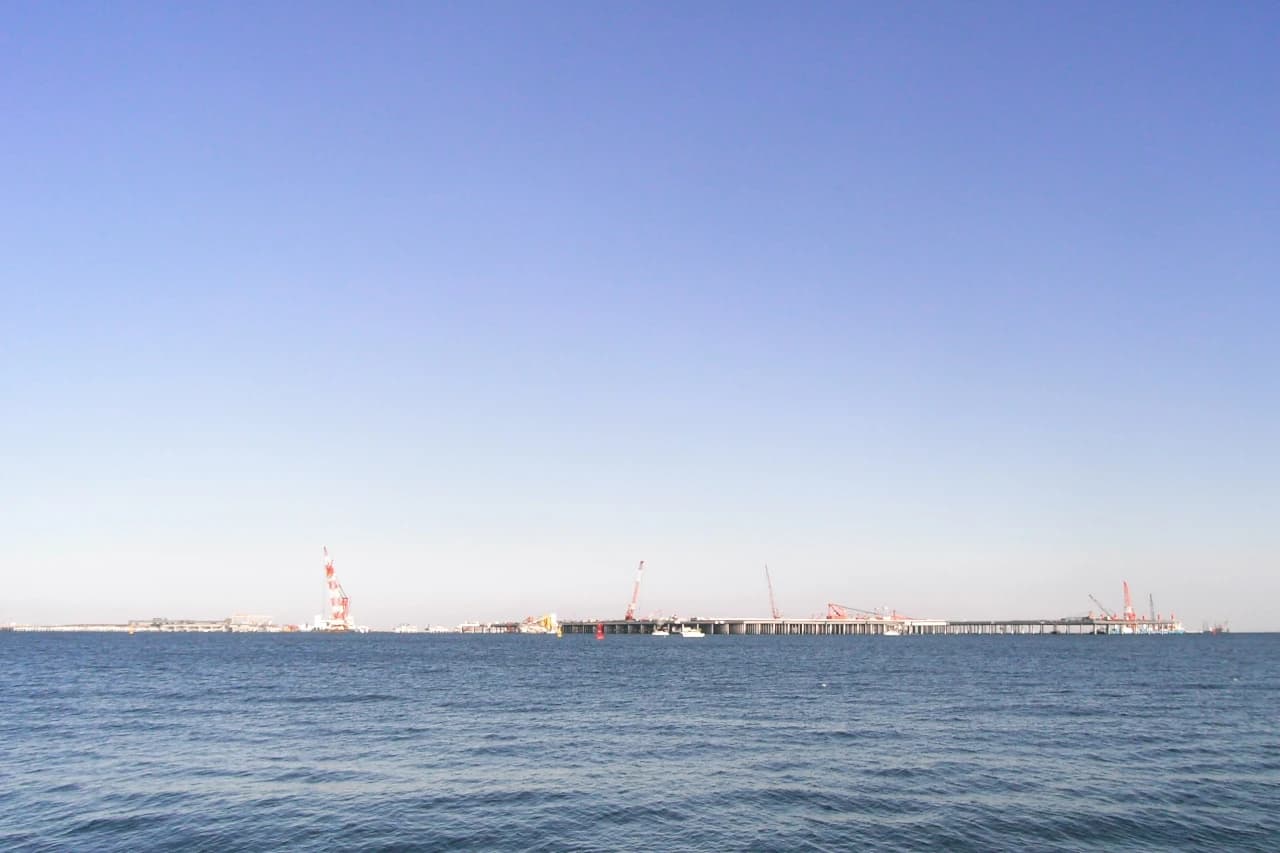
The scale is staggering. The planned Al Maktoum International expansion carries a budget of about $35 billion and is designed to eventually handle 260 million passengers a year, along with 12 million tons of cargo. That would make it the world’s largest airport by capacity, with five runways, two major terminals and more than 430 aircraft stands spread across 70 square kilometers.
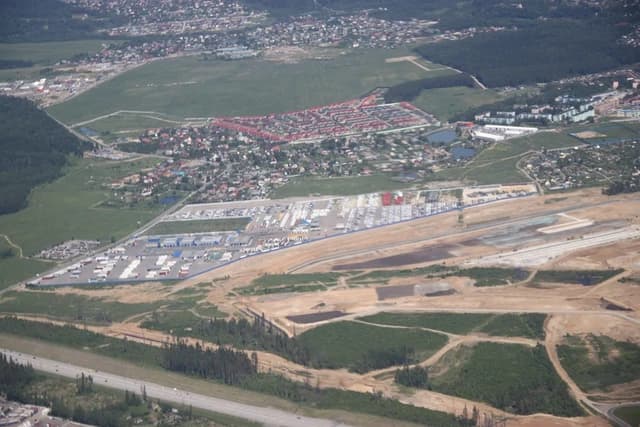
What matters economically is that Dubai is not building for next quarter. It is building for the next generation of global traffic. The airport is meant to absorb the gradual shift of flights away from Dubai International, one of the world’s busiest hubs, while anchoring a new urban district where more than 1 million people are expected to live. In other words, the runway project is also a real estate, logistics and population-growth project.
That helps explain the huge upfront cost. More than 17,000 concrete piles have already been driven into the ground, and over 45 million cubic meters of earth have been excavated. Around 9,000 workers are on site now, with the workforce expected to swell to as many as 120,000 at peak construction. The first major phase, targeting capacity for 150 million passengers a year, is expected to open in the early 2030s.
For investors, the story is bigger than construction headlines. Airports are long-duration assets that feed demand into airlines, cargo operators, retail, hospitality and infrastructure suppliers for years after the ribbon-cutting. A hub of this size would strengthen Dubai’s pricing power in aviation, support route expansion and deepen the city’s appeal as a global transit point at a time when airlines still want scale, efficiency and connectivity.
There are, of course, execution risks. Mega-projects can run late and over budget, and the final economic payoff depends on whether passenger growth, cargo demand and regional travel flows keep rising. But the strategic logic is hard to ignore: Dubai is trying to secure one of the most valuable bottlenecks in global commerce — movement.
For long-term investors, the takeaway is simple. This is a reminder that the most important airport stories are not about one terminal or one year of traffic; they are about the infrastructure that can compound economic activity for decades. Worth watching closely.
| Entity | Gains | Losses |
|---|---|---|
| Dubai airport project | ▲Long-term hub dominance | ▼Near-term capital strain |
| Airlines using Dubai | ▲More capacity and connectivity | ▼Transition disruption |
| Cargo operators | ▲Bigger logistics gateway | ▼Competition for slots |
| Existing DXB operations | ▲Eventual relief from congestion | ▼Gradual traffic migration |