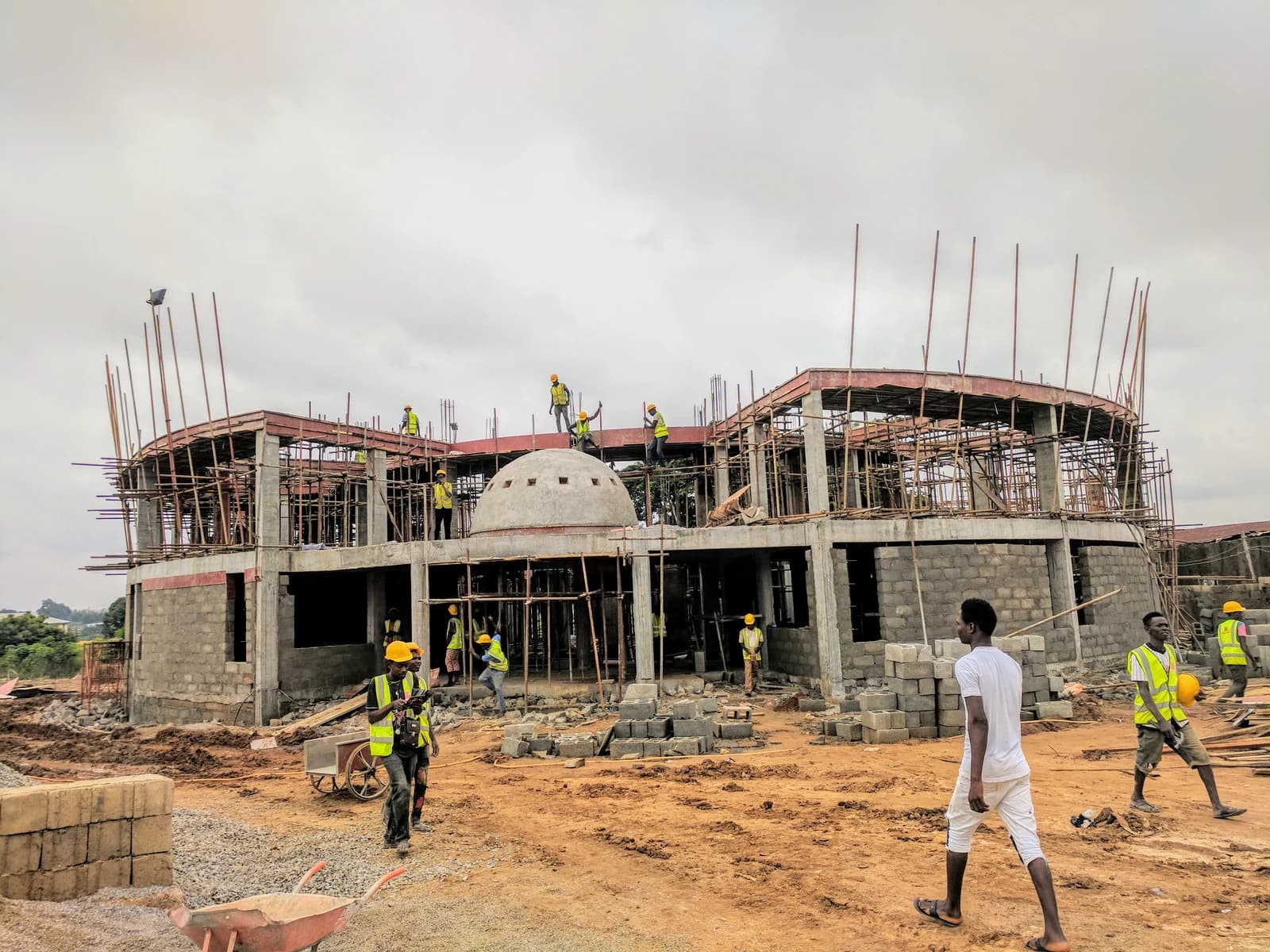
Vietnam’s accelerated public investment push is triggering a fresh capital spending cycle across construction firms, with contractors buying, leasing and restructuring equipment fleets in anticipation of a longer run of infrastructure work.
Vietnam infrastructure boom lifts equipment demand
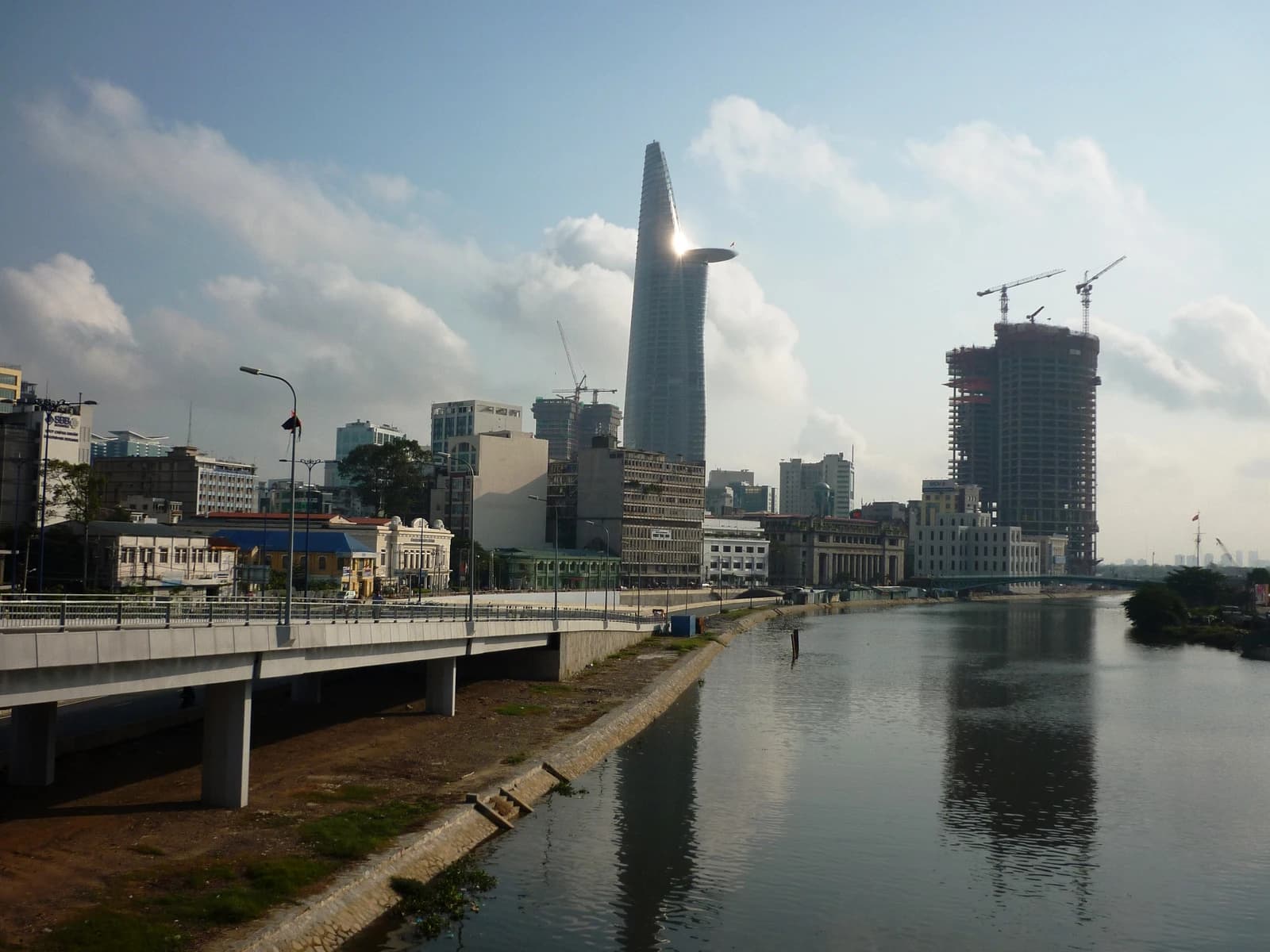
The shift matters because it shows the state-led building program is no longer just lifting project awards and contractor revenue; it is beginning to reshape balance sheets, capacity planning and competitive positioning in a sector that depends on heavy machinery with long payback periods.
Sentiment IndicatorsⓘProprietary · adalytica.com · September 4, 2026
This is a snapshot — live sentiment, awareness and momentum for 130+ markets update continuously in the dashboard.Open AlphaPulse
Ho Chi Minh City alone broke ground on eight major projects worth more than VND253 trillion in July, following a year of nationwide opening ceremonies that included 234 projects across 34 provinces and cities with combined investment exceeding VND3,400 trillion. For contractors, the message is clear: execution capacity, not just bidding strength, is becoming the key constraint.
That is showing up first in the supply chain. Vietnam Machinery Development Investment Corp, a distributor of Howo and Sitrak heavy trucks, reported first-quarter 2026 vehicle sales revenue of more than VND2.7 trillion, up about 144% from a year earlier. Hoang Huy Investment Services also posted a more than 52% increase in revenue from vehicle and spare parts sales, underscoring how machinery demand is rippling through the market.
Listed contractors are also adding assets. Lizen and Deo Ca Traffic Infrastructure Investment recorded some of the biggest jumps in machinery and equipment holdings, with Lizen’s original machinery value rising to more than VND519 billion by end-Q1 2026 from about VND385 billion at the start of 2025, while finance-lease assets climbed as well. HHV increased machinery assets to more than VND130 billion from nearly VND79 billion over the same period.
Others are opting for flexibility rather than outright ownership. Vinaconex kept a large existing fleet in place while relying on leased equipment, and CC1 continued to lean on finance leases rather than aggressive purchases. That split suggests the sector is balancing two competing risks: missing project deadlines if equipment is scarce, or locking in too much capital if the pipeline proves shorter than expected.
The economic logic is straightforward. Unlike labor or materials, heavy equipment is bought for a multiyear cycle, and the upfront capital outlay is concentrated early while depreciation and utilization play out over years. Contractors are therefore making a judgment not just on current project flow, but on whether Vietnam can sustain elevated infrastructure spending long enough to earn acceptable returns.
A constraint is already visible. A manager at a Chinese construction company operating in Vietnam said equipment shortages had been evident since late 2025 and that some partners no longer had machinery available for lease. He said new investment only makes sense with visibility on at least three years of continuous work.
For investors, that creates a two-tier trade. Equipment distributors, lessors and contractors with strong balance sheets and high utilization rates stand to benefit first from the public investment cycle. Companies with large asset bases could also gain pricing power if shortages persist. But if project awards slow or financing conditions tighten, the same capital buildout could leave firms with underused fleets and pressure on returns.
The broader market implication is that Vietnam’s infrastructure push is spreading beyond roads, airports and seaports into a deeper industrial ecosystem of trucks, mixers, trailers, leases and maintenance. Mordor Intelligence forecasts the construction industry will expand from $80.6 billion in 2026 to $115.8 billion by 2031, but the near-term question is whether contractors can keep equipment fully employed as they scale.
If they can, the current spending wave could leave Vietnam with a larger stock of productive construction capacity for railways, industrial parks, energy assets and urban projects. If they cannot, the cycle could eventually look more like a rushed equipment boom than a durable upgrade in industry productivity.
| Entity | Gains | Losses |
|---|---|---|
| Equipment distributors | ▲Higher truck and machinery sales | ▼Inventory risk if demand cools |
| Leased-equipment users | ▲Lower upfront capital needs | ▼Higher long-run operating costs |
| Asset-heavy contractors | ▲Better execution capacity | ▼Balance-sheet strain from capex |
| Delayed bidders/underinvested firms | ▲— | ▼Missed tenders and slower growth |