Dubai’s drive to turn artificial intelligence into a commercial growth engine gained a new partner as the Dubai Chamber of Digital Economy signed a memorandum of understanding with Alibaba Cloud to accelerate Agentic AI adoption across the emirate’s private sector.
Dubai Chamber signs AI pact with Alibaba Cloud
Alibaba Group
The agreement matters because it moves Dubai’s AI push beyond rhetoric and into workforce training, startup support and enterprise deployment — the three areas that determine whether businesses actually use the technology at scale. For Dubai, the prize is higher productivity and a faster-growing digital economy. For Alibaba Cloud, it is a deeper foothold in a Gulf market where governments and corporates are increasingly looking for cloud, compute and AI partners.
Sentiment Indicators
The MoU builds on an initiative launched by Dubai Crown Prince Sheikh Hamdan bin Mohammed bin Rashid Al Maktoum to speed the private sector’s transition toward Agentic AI, a term that refers to AI systems that can execute tasks and workflows with limited human supervision. Dubai Chamber said the programme will be overseen by Dubai Chambers, signaling that the effort has official backing rather than being a one-off commercial tie-up.
The arrangement is designed to be practical. Through Dubai Chambers Academy, the partners will provide training content, certifications, workshops and train-the-trainer programmes. Startups will be offered technical mentorship, technology credits, compute resources and software licences, while selected companies will be connected to Alibaba Cloud’s programmes and ecosystem. Enterprises will also be able to test and deploy solutions, with case studies expected to measure commercial impact.
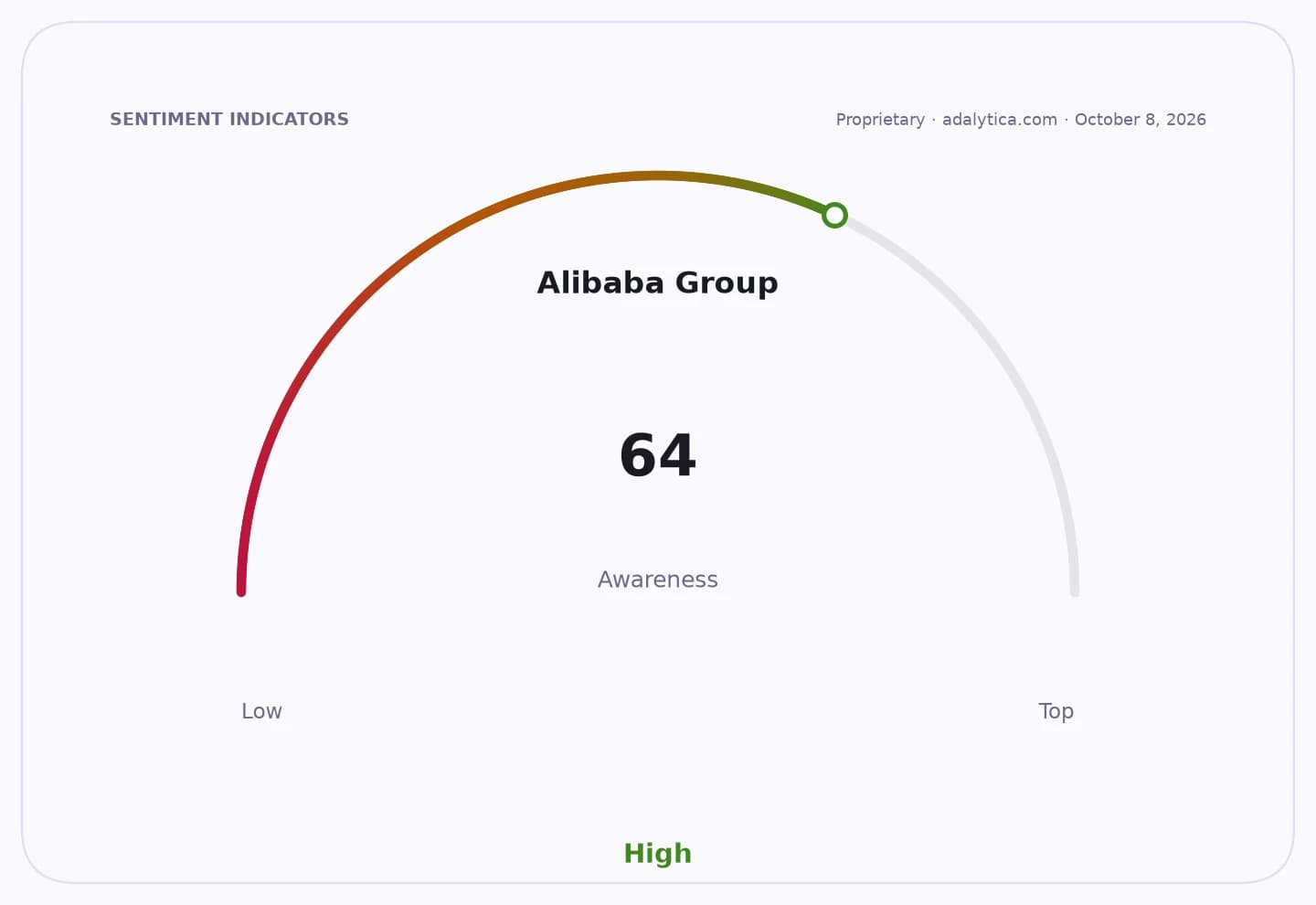
That structure reflects the real bottleneck in AI adoption: not awareness, but execution. Many firms can experiment with generative tools; far fewer can rework operations, integrate models into production systems and find a return on investment. By tying together skills, startup incubation and enterprise pilots, the Dubai-Alibaba Cloud partnership is aimed at that implementation gap.
For Dubai, the economic logic is clear. The emirate has been trying to build a reputation as a regional hub for advanced technology, and AI is increasingly central to that ambition. If local companies adopt AI agents for customer service, software development, logistics, finance or internal operations, the gains could show up in margins, speed and new business models. That could help diversify activity in a city where digital services are becoming a bigger part of growth.
Alibaba Cloud also stands to benefit strategically. The company has operated in the UAE and wider Middle East since 2016 and says it has two data centres in the country. A government-backed partnership can help it embed its platform more deeply in the local enterprise stack, especially through Alibaba Cloud Marketplace, which connects users with third-party applications and services. In a competitive cloud market, those relationships can matter as much as raw infrastructure.
The deal also fits a broader pattern of Gulf governments courting Chinese technology groups alongside US providers as they race to build AI capabilities. For investors, that means Dubai remains an attractive gateway market for cloud and AI vendors, but it also underscores that monetization will depend on enterprise uptake, not just headline partnerships.
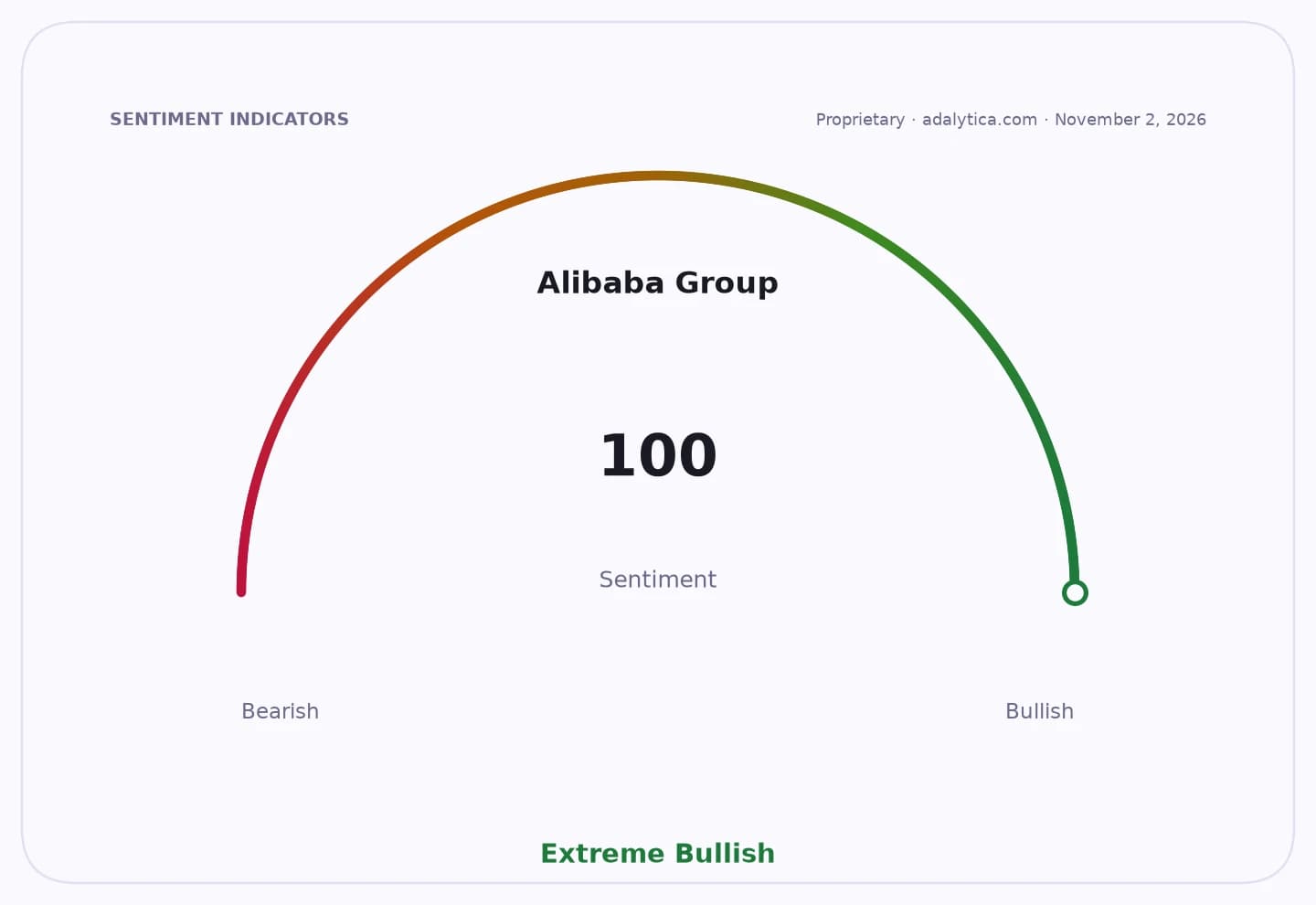
Alibaba Group shares have been volatile in recent months, with technical indicators showing a sharp selloff from earlier highs before a partial rebound. The stock’s 50-day moving average and RSI readings have reflected that swing, suggesting investors remain focused on whether AI-related initiatives can translate into durable revenue growth. For now, the MoU is more about strategic positioning than immediate earnings impact, but it strengthens Alibaba Cloud’s narrative in a key overseas market.
The key test will be whether the partnership produces measurable deployments in Dubai businesses and startup pipelines rather than training sessions alone. If it does, the agreement could become a template for how the emirate converts policy ambition into commercial adoption — and how Alibaba Cloud turns regional presence into enterprise revenue.
| Entity | Gains | Losses |
|---|---|---|
| Dubai Chamber of Digital Economy | ▲stronger AI hub status | ▼higher execution burden |
| Alibaba Cloud | ▲deeper UAE market access | ▼no immediate revenue certainty |
| Dubai startups and SMEs | ▲training, credits, pilots | ▼dependence on external platform |
| Rival cloud providers | ▲none | ▼share of Gulf AI deals |