Market fragility is flashing at an extreme just as earnings season begins, with U.S. equities near highs, credit spreads tight and volatility compressed even as rates, duration demand and gold positioning point to a far less benign macro backdrop.
Earnings Season Tests Fragile Risk Appetite
The risk for investors is not an outright breakdown in asset prices. It is the narrowing margin for error. The SPDR S&P 500 ETF closed at 754.95, about 2% above its 50-day moving average and 9% above its 200-day moving average, while hovering just below the upper Bollinger Band. That leaves earnings expectations exposed to any disappointment on margins, pricing power or guidance at a time when the 10-year Treasury yield is still around 4.54% and forecast near 4.58%.
Sentiment Indicators

Higher long-end yields matter because they raise the discount rate on future earnings and keep the cost of capital elevated for companies rolling debt or funding buybacks. The 10-year/two-year curve is positive at roughly 35 basis points, signaling that the market is no longer pricing only a recessionary easing cycle but also term premium, supply and inflation risk. That combination is more difficult for equities than a simple growth scare because it compresses valuation support while keeping financing conditions restrictive.
Credit markets are not yet validating the stress signal. U.S. high-yield spreads are around 270 basis points, close to cycle-tight territory, implying investors are still being paid little for default risk. That is supportive for corporate borrowers in the near term, but it also means credit has limited shock absorption if earnings guidance weakens or refinancing assumptions deteriorate.
S&P 500 Trade Signals — 30-day sentimentadalytica.com
Explore this data interactively — full history, time series and cross-market comparisons.

The cross-asset split is becoming harder to ignore. Adalytica.com’s proprietary S&P 500 trade-signal sentiment is neutral at 48, but awareness is at 3, labeled “Extreme Fear,” after a 28-point decline over seven days. At the same time, Adalytica’s Treasury-bond sentiment gauge for TLT is at 91, labeled “Extreme Greed,” while gold sentiment for GLD is at 93, also “Extreme Greed.” Investors are still paying for equity upside, but they are also crowding into duration and hard-asset hedges.
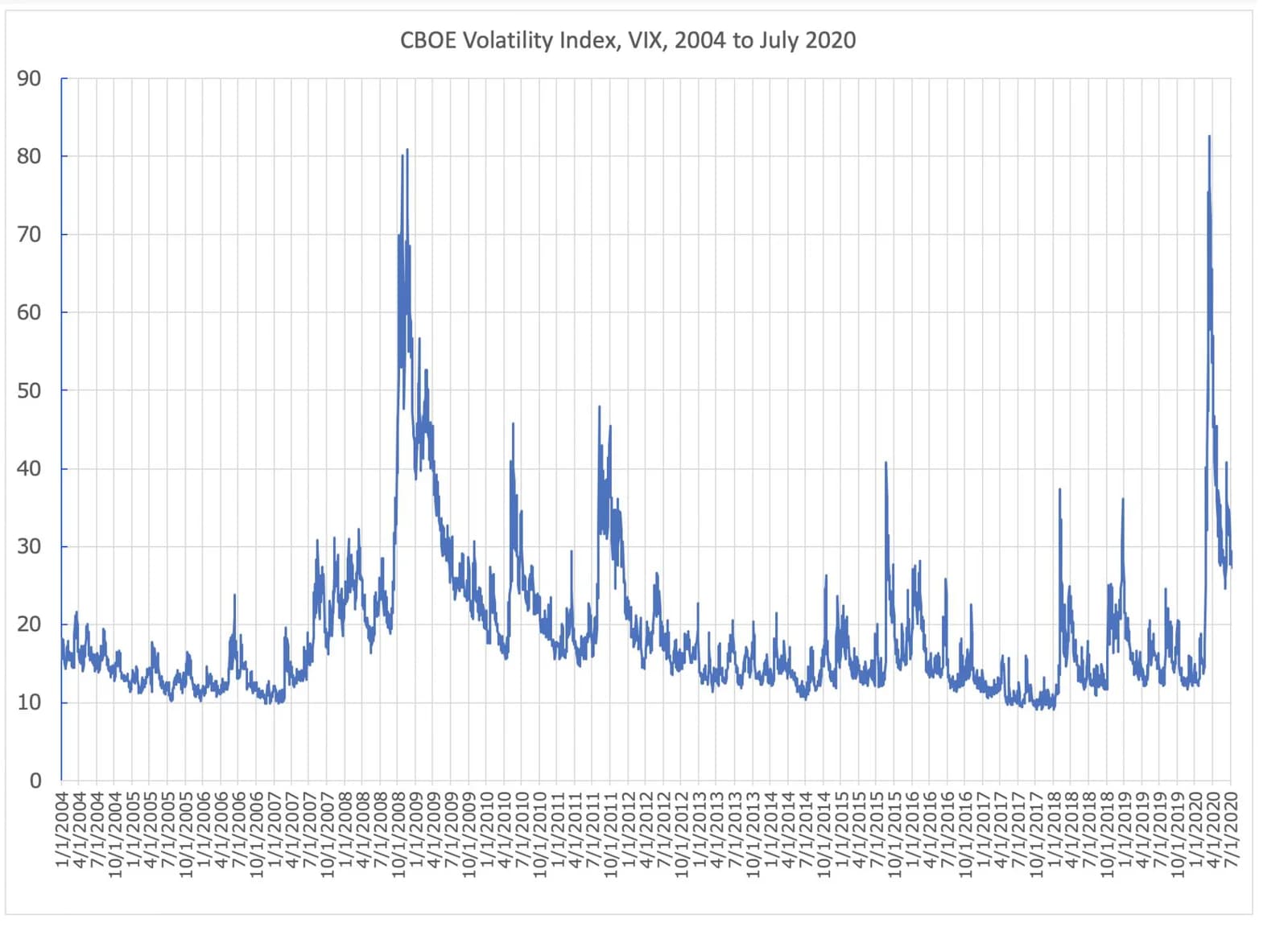
Conventional market indicators show the same contradiction. VIX-linked exposure through VIXY has fallen to 20.34, well below its 50-day and 200-day moving averages, reflecting subdued volatility pricing. Yet the Nasdaq-100 ETF, QQQ, remains below its upper Bollinger Band and its MACD is still below the signal line, suggesting technology momentum is less forceful than the headline index level implies.
That is why earnings matter more than usual. With the S&P 500 already above key moving averages, the market needs companies to confirm that revenue growth, margins and capital spending can withstand a 4.5%-plus Treasury yield environment. The first misses may not matter much if they are idiosyncratic. A pattern of weaker guidance would be different: it would challenge both equity multiples and the tight credit spreads that currently assume balance sheets remain resilient.
The fragility is not confined to U.S. markets. Recent swings in Asian equities, including sharp reversals in India and a powerful rebound in South Korea’s Kospi, show how quickly positioning can flip when crude prices, geopolitics and growth expectations move together. Global risk appetite is still functioning, but it is functioning with thinner buffers.
The earnings season therefore begins with a market priced for resilience and hedged for trouble. If results validate margins and demand, tight spreads and low volatility can extend the rally. If they do not, the unwind could move first through volatility, then credit, and finally equity multiples.
| Entity | Gains | Losses |
|---|---|---|
| Equity bulls | ▲Momentum near highs | ▼Less earnings cushion |
| Treasury and gold hedgers | ▲Strong safety demand | ▼Carry if risk rally extends |
| Corporate issuers | ▲Tight credit spreads | ▼High refinancing yields |
| Volatility sellers | ▲Low-volatility carry | ▼Gap-risk exposure |