Inflation in Honduras could climb to 8% in December, squeezing household purchasing power just as the country’s northern trade hub heads into its most important sales season.
Honduras Inflation May Reach 8% in December
That matters because the coming holiday period is usually when retailers, small manufacturers and service businesses rely on aguinaldo payments and year-end shopping to replenish cash flow. Instead, business leaders in San Pedro Sula are warning that weaker demand, higher operating costs and tighter credit are combining to dull what should be a seasonal boost, with the pressure likely to hit micro, small and medium-sized companies first.
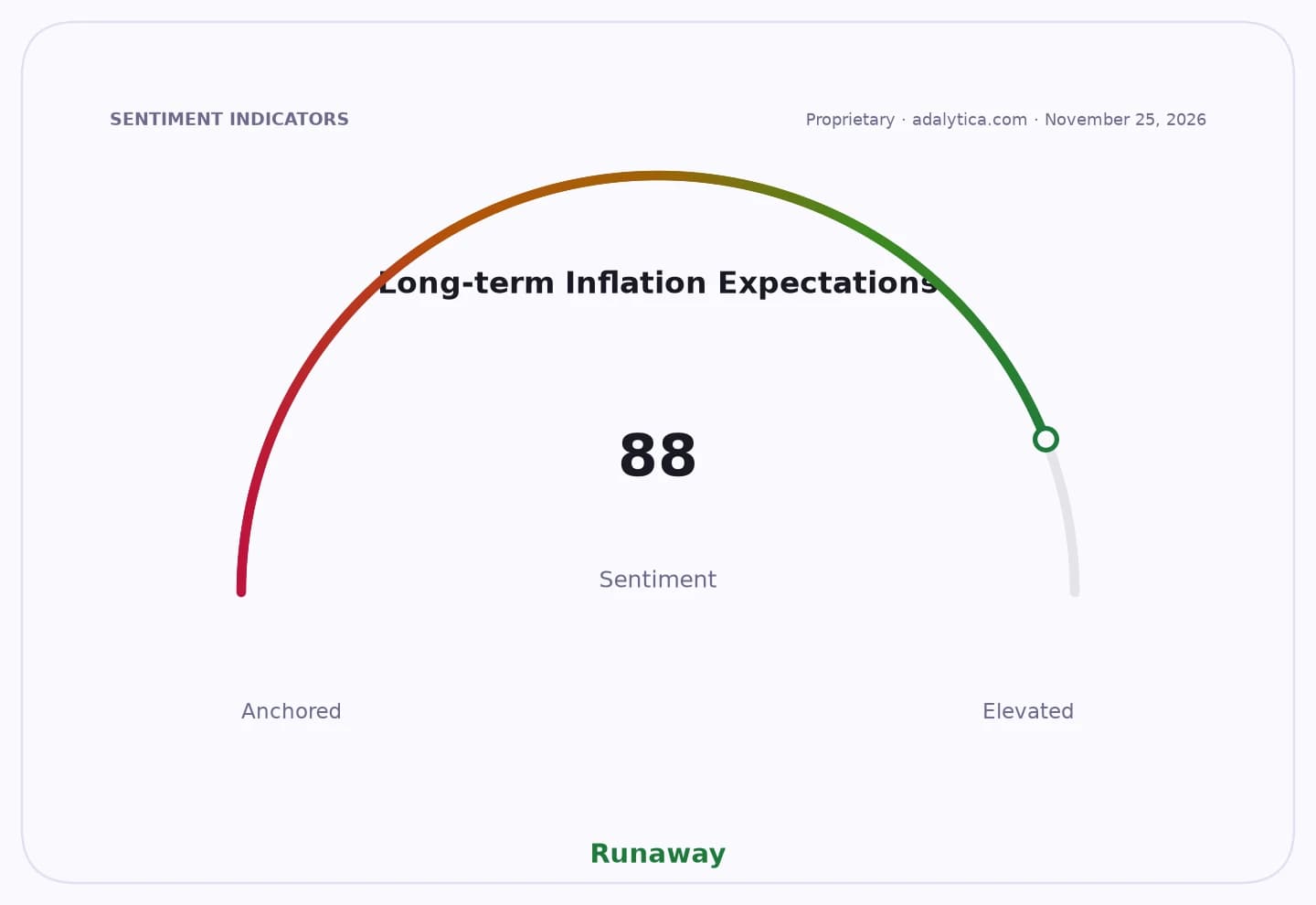
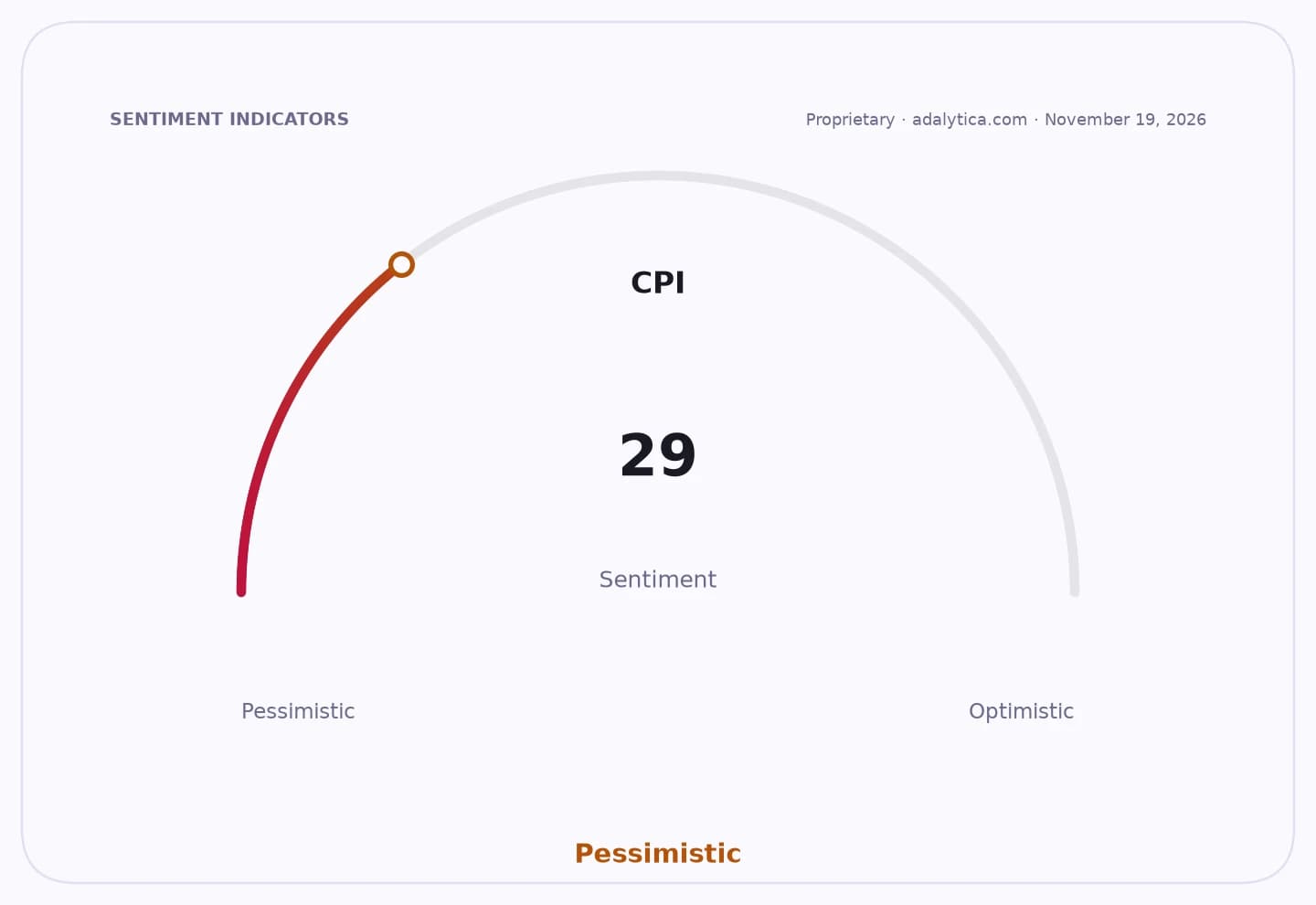
Sentiment Indicators
Efraín Rodríguez, a representative of the Mipyme sector in northern Honduras, said inflation is already near 7% and could reach 8% in December, driven in part by higher food prices. For a country where a growing share of income is being diverted to basics, that is a direct hit to discretionary spending and a drag on retail turnover.
The slowdown is being amplified by labor losses in the north, where several maquilas have closed and many smaller firms have failed to survive. Fewer formal jobs mean fewer workers receiving year-end bonuses, which in turn lowers the amount of cash circulating through shops, markets and transport operators during the holiday rush.
Energy costs are compounding the squeeze. Rodríguez said electricity tariffs rose by about 20% in the second half of the year, lifting operating expenses for businesses that already have little room to absorb higher input costs. When margins are this thin, price increases flow straight through to consumers — and consumers are increasingly unable to pay them.
The financing backdrop is even harsher. With formal credit out of reach, many small merchants are turning to private lenders charging daily interest of 10% to 20%, a financing burden that can wipe out holiday profits before they are earned. That is not just a business problem; it is a liquidity problem for the local economy.
Victorino Carranza, another sector representative, said the outlook for the final months of the year remains poor and warned that lower sales will translate into weaker employment. His call for dialogue with the government, private sector and Mipyme groups underscores how fragile the recovery is becoming.
For investors, the key message is that Honduras is facing a classic inflation-and-demand squeeze: higher prices, weaker wages, elevated power costs and scarce credit. The likely result is more stress for consumer-facing businesses, higher delinquency risk for informal lenders, and continued weakness in the country’s trade-heavy northern corridor unless policymakers can ease financing conditions and support employment.
The market is underestimating how quickly inflation can become a cash-flow crisis for small business ecosystems. If December really does bring 8% inflation, the winners will be the most defensive lenders and the few firms with pricing power; the losers will be retailers, import-dependent merchants and the labor market that depends on them.
| Entity | Gains | Losses |
|---|---|---|
| Consumers | ▲none | ▼real wages, spending power |
| Mipyme retailers | ▲some holiday sales | ▼margins, inventory turnover |
| Informal lenders | ▲high interest income | ▼nothing material if defaults rise |
| Export maquilas/trade corridor | ▲little in near term | ▼jobs, local demand |