Eastern Germany’s demographic slump is emerging as a political force, helping drive support for the far-right Alternative for Germany in a region that has lost 26% of its population since reunification and now faces further decline.
Eastern Germany demographic decline boosts AfD support
That matters because shrinking, ageing communities do more than empty schools and kindergartens: they weaken local labour markets, strain social care systems and deepen the sense that mainstream politics has failed parts of the country. In Saxony-Anhalt, where AfD won 43.8% of the vote and secured its first state-level victory in postwar Germany, the demographic backdrop is now inseparable from the electoral one.
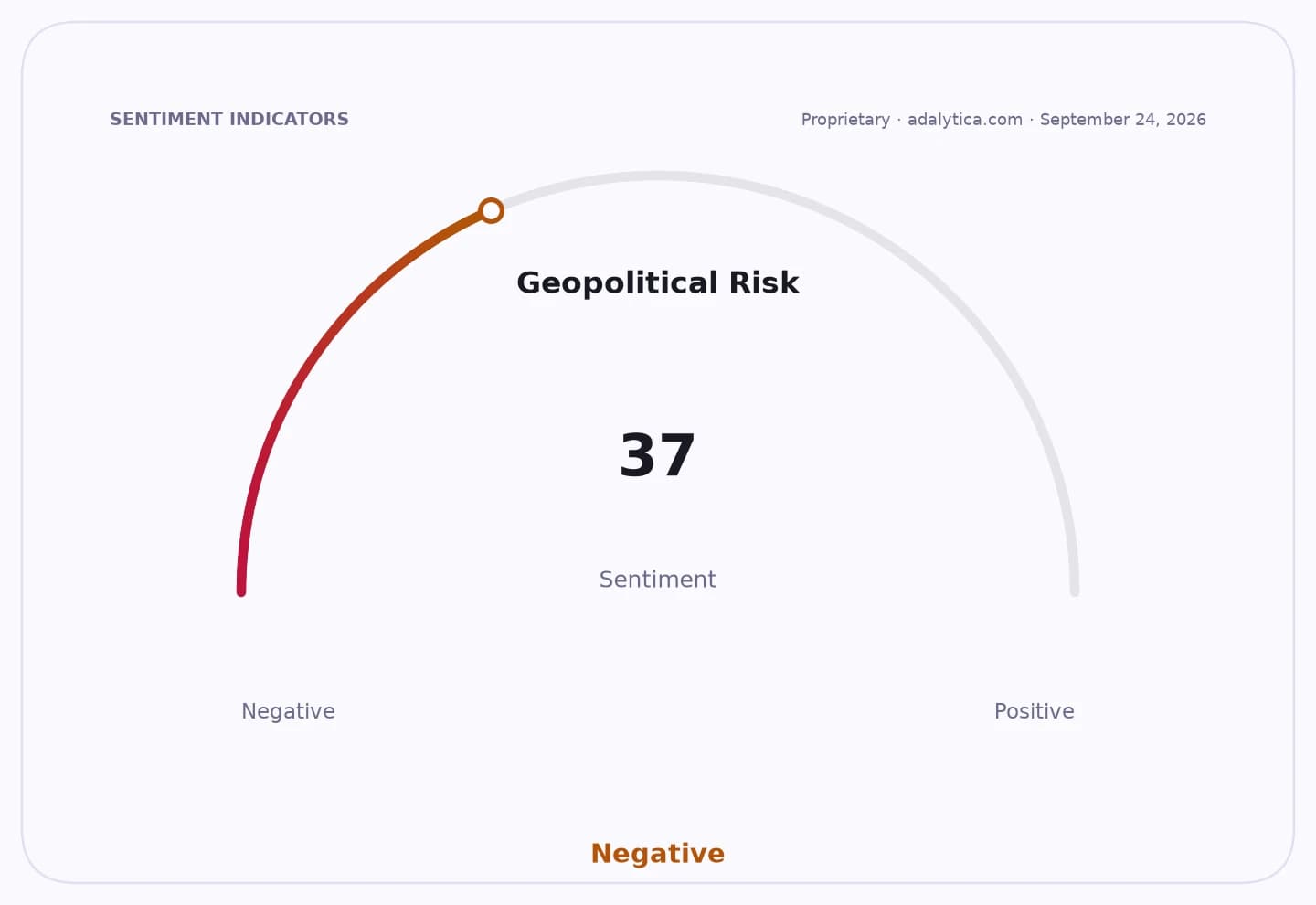
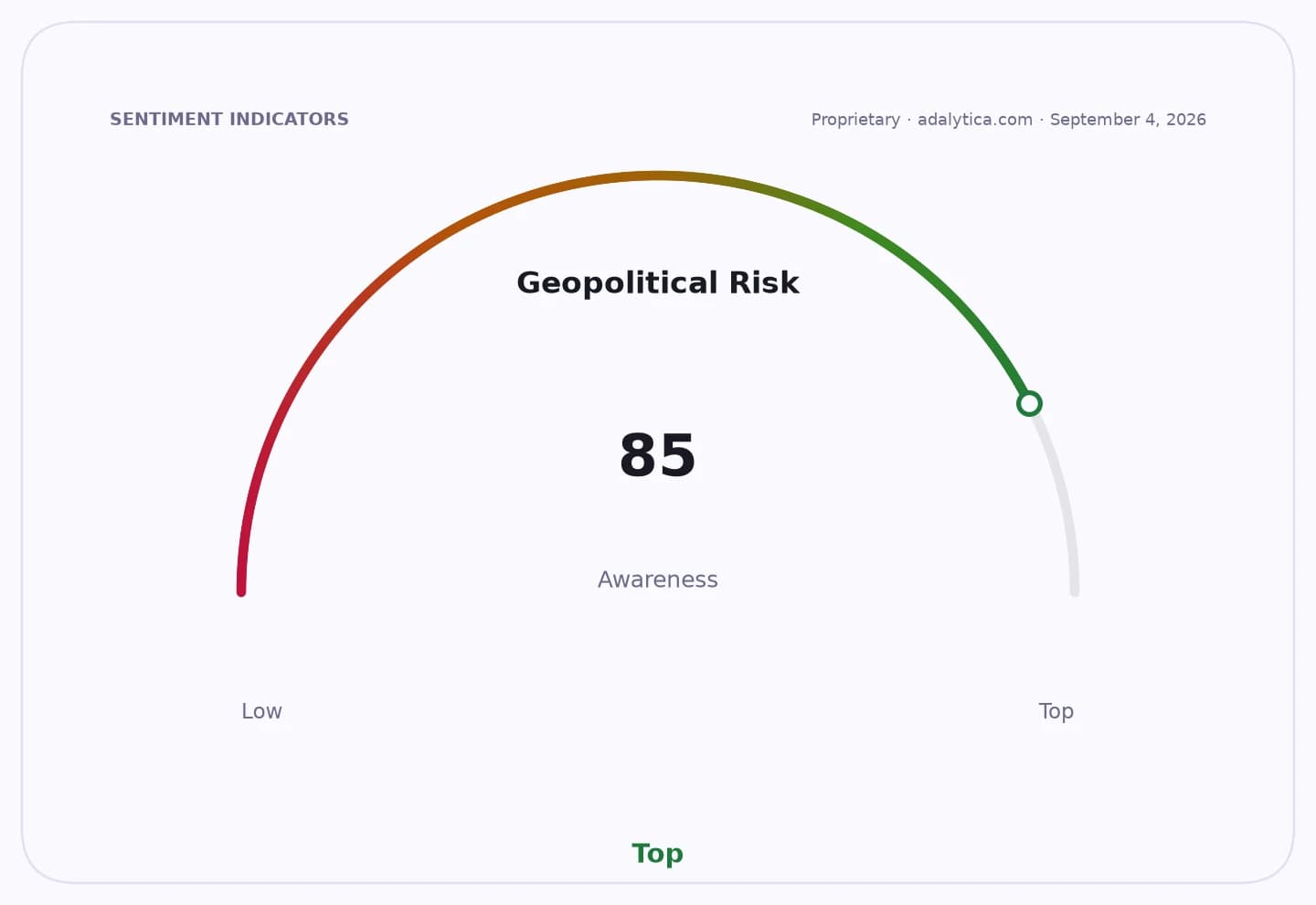
Sentiment IndicatorsⓘProprietary · adalytica.com · September 8, 2026
This is a snapshot — live sentiment, awareness and momentum for 130+ markets update continuously in the dashboard.Open AlphaPulse
The pattern is broad and long-running. Germany as a whole has added 3.8 million people, or 5%, in the 35 years since reunification, largely through immigration. But the five eastern states of the former East Germany have lost 16% of their population, excluding East Berlin, with the sharpest decline in Saxony-Anhalt. Federal projections point to further losses across much of the east as low birth rates compound the post-reunification exodus of younger, better-educated workers and women.
For investors and policy makers, the significance lies in the economic drag this creates. Fewer people means fewer workers, thinner consumer demand and a smaller tax base just as the cost of pensions, health care and elder support rises. The east’s labour shortages are already visible in vacant care and service jobs, while local businesses struggle to recruit. Over time, that can suppress regional growth, depress property values in weaker areas and widen the divide between Germany’s stronger metropolitan centres and its rural periphery.
The political implications are equally material. AfD has built its strongest base in these shrinking eastern regions by arguing that mainstream parties have left them behind. Its state platform rejects immigration as a remedy for population decline and instead pushes family incentives, but its broader anti-immigration stance risks aggravating labour shortages in an economy that needs workers, not fewer of them. That creates a tension for Germany: the very migration flows that have helped stabilise the country’s population are also a flashpoint for the party gaining ground most decisively where depopulation is worst.
There is a broader narrative here than one regional election. Germany’s post-reunification settlement delivered higher living standards, but it also left behind communities still marked by loss, out-migration and relative weakness versus the west. In areas such as Saxony-Anhalt, the demographic arithmetic is now feeding a political backlash that could reshape state governance and complicate national efforts to manage labour shortages, ageing and migration.
For investors, the key watchpoint is whether this becomes a lasting feature of eastern Germany or a protest vote tied to local decline. If the former, the implications extend beyond politics: infrastructure investment, housing demand, public finances and labour supply could all diverge further between east and west. If the demographic slide continues, so too may the appeal of parties promising radical change, even when their prescriptions clash with the needs of the economy.
| Entity | Gains | Losses |
|---|---|---|
| AfD | ▲Electoral support | ▼Mainstream parties |
| Saxony-Anhalt rural towns | ▲Attention, subsidies | ▼Labour supply, services |
| German employers | ▲None | ▼Recruiting pool |
| East German households | ▲Potentially cheaper housing | ▼Public services, growth |