Christine Lagarde said the European Central Bank has achieved its 2% inflation goal, but stressed that policymakers are not done yet and must stay “extremely vigilant” as geopolitical tensions, global fragmentation and market instability keep the outlook uncertain.
ECB Meets 2% Inflation Target, Lagarde Stays Cautious

The ECB president’s comments came as Eurostat said euro-zone inflation edged back to 2% in June from 1.9% in May, putting prices exactly at the central bank’s target. For investors, that confirms the region has largely escaped the double-digit inflation shock that forced aggressive tightening, but it does not guarantee rate cuts or a smooth policy pivot.
Sentiment IndicatorsⓘProprietary · adalytica.com · October 20, 2026
This is a snapshot — live sentiment, awareness and momentum for 130+ markets update continuously in the dashboard.Open AlphaPulse
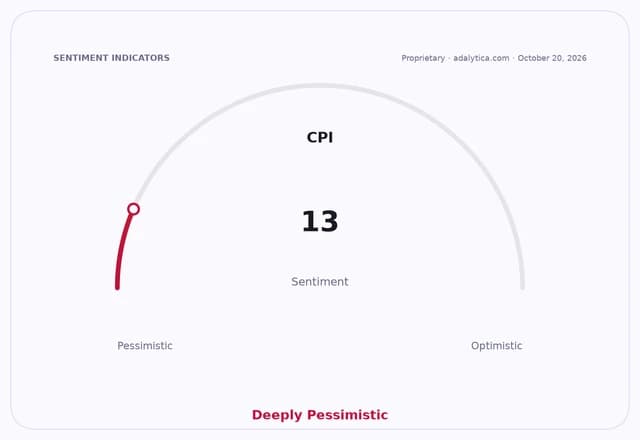
Lagarde’s message was deliberately cautious: interest-rate decisions will remain “meeting by meeting” and dependent on incoming data. That leaves the ECB free to hold rates higher for longer if price pressures reaccelerate, especially if energy, trade disruptions or currency swings feed through into the economy.
She also backed Federal Reserve Chair Jerome Powell’s data-driven approach, signaling that the ECB is in no rush to declare victory. By pointing to the euro’s recent rise as a reflection of both market dynamics and the strength of the European economy, Lagarde suggested currency gains could help temper imported inflation, even as they complicate the region’s export outlook.
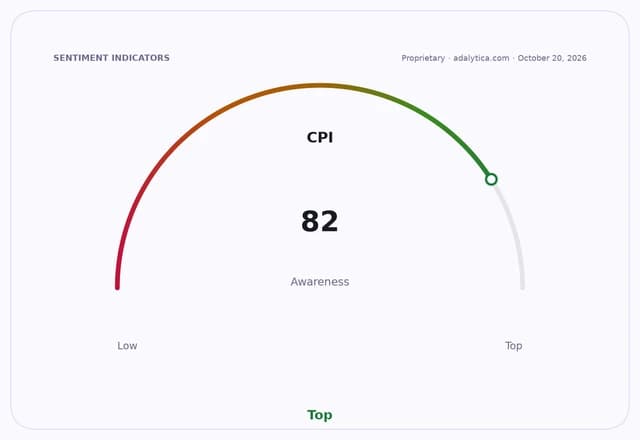
Markets are likely to read the remarks as confirmation that the ECB is comfortable with current policy but not ready to promise easing. The 10-year German Bund and euro traders will be watching closely for any sign that softer inflation data translates into a faster cut cycle, while rate-sensitive stocks and euro-zone lenders will remain sensitive to every inflation print.
The bigger message is that the ECB’s inflation fight has moved from crisis mode to vigilance mode. That is a relief for bond markets, but it also means policymakers still see enough risk in the global backdrop to keep investors guessing on the timing and pace of any further policy shift.
| Entity | Gains | Losses |
|---|---|---|
| ECB | ▲Policy flexibility | ▼Pressure to cut quickly |
| Euro-zone consumers | ▲Lower inflation burden | ▼No assured rate relief |
| Bond investors | ▲Inflation target met | ▼Higher-for-longer risk |
| Exporters | ▲Stronger economy narrative | ▼Firmer euro weighs on competitiveness |