The European Central Bank is poised to raise interest rates again on Thursday as sticky inflation and stronger-than-feared growth keep pressure on policymakers to tighten financial conditions further.
ECB set to raise rates again on inflation

A quarter-point increase is widely expected after the ECB resumed tightening in June, with economists saying the central bank wants to reinforce its fight against consumer-price gains that remain well above its 2% target. Euro zone inflation was estimated at 3.3% in August, while the bloc’s economy grew 0.6% in the second quarter, more than the 0.4% initially reported, giving officials room to keep lifting rates without an immediate recession scare.
Sentiment IndicatorsⓘProprietary · adalytica.com · September 7, 2026
This is a snapshot — live sentiment, awareness and momentum for 130+ markets update continuously in the dashboard.Open AlphaPulse

“The ECB’s move is very likely,” said Dirk Schumacher, chief economist at state lender KfW, pointing to inflation and “little evidence of a noticeable slowdown” in euro-zone growth. Markets will be watching for any signal that the deposit rate, now 2.25%, could move toward 2.5%, with the refinancing rate at 2.40% and the marginal lending rate at 2.65%.
Higher borrowing costs are intended to slow price growth, but they also raise financing costs for companies and households, a direct drag on investment and credit demand. That matters for investors because euro-zone rates are now moving against a backdrop of resilient growth, leaving equities, credit and the euro sensitive to every new inflation print and policy clue.
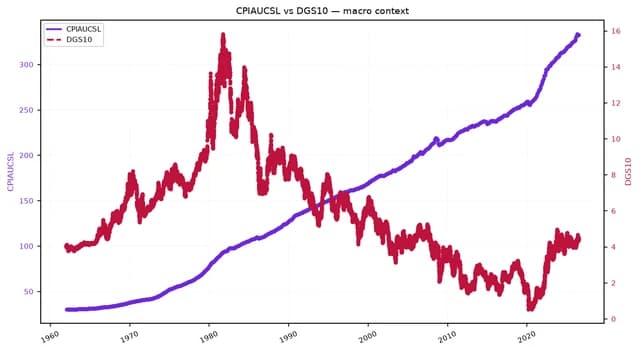
The currency has been relatively steady, with EUR/USD around 1.16 and technical readings such as the 50-day and 200-day moving averages showing the pair trading close to trend. European equity exposure has also held up, with the EZU ETF near 70.46, but its relative strength index has cooled from overbought levels, suggesting traders are becoming more cautious as policy tightening continues.
The broader market backdrop is turning more defensive globally as investors price in tighter monetary policy in the U.S. and elsewhere. For the ECB, the next test is whether inflation eases enough to justify a pause later this year or whether elevated energy costs and still-firm activity force another hike.
| Entity | Gains | Losses |
|---|---|---|
| ECB policymakers | ▲Inflation-fighting credibility | ▼Growth tolerance |
| Savers / euro cash holders | ▲Higher deposit returns | ▼Borrowers and leveraged firms |
| Euro-zone banks | ▲Wider rate environment | ▼Loan demand if growth cools |
| European equities / EZU holders | ▲Resilient economy support | ▼Higher discount rates and financing costs |