A borrower advocacy group has sued the Education Department over allegations that roughly 300,000 student-loan borrowers are still being reported as delinquent or owing balances even after their debt was legally wiped out, turning a policy meant to offer relief into a fresh credit problem.
Education Department sued over student-loan credit reporting
The case goes beyond paperwork. If forgiven loans keep showing up on credit files, borrowers can be denied mortgages, auto loans and credit cards, or pay more for them. In some cases, the complaint says, the reporting error could also expose people to collection actions such as wage garnishment or tax refund offsets on debt that is no longer legally enforceable.
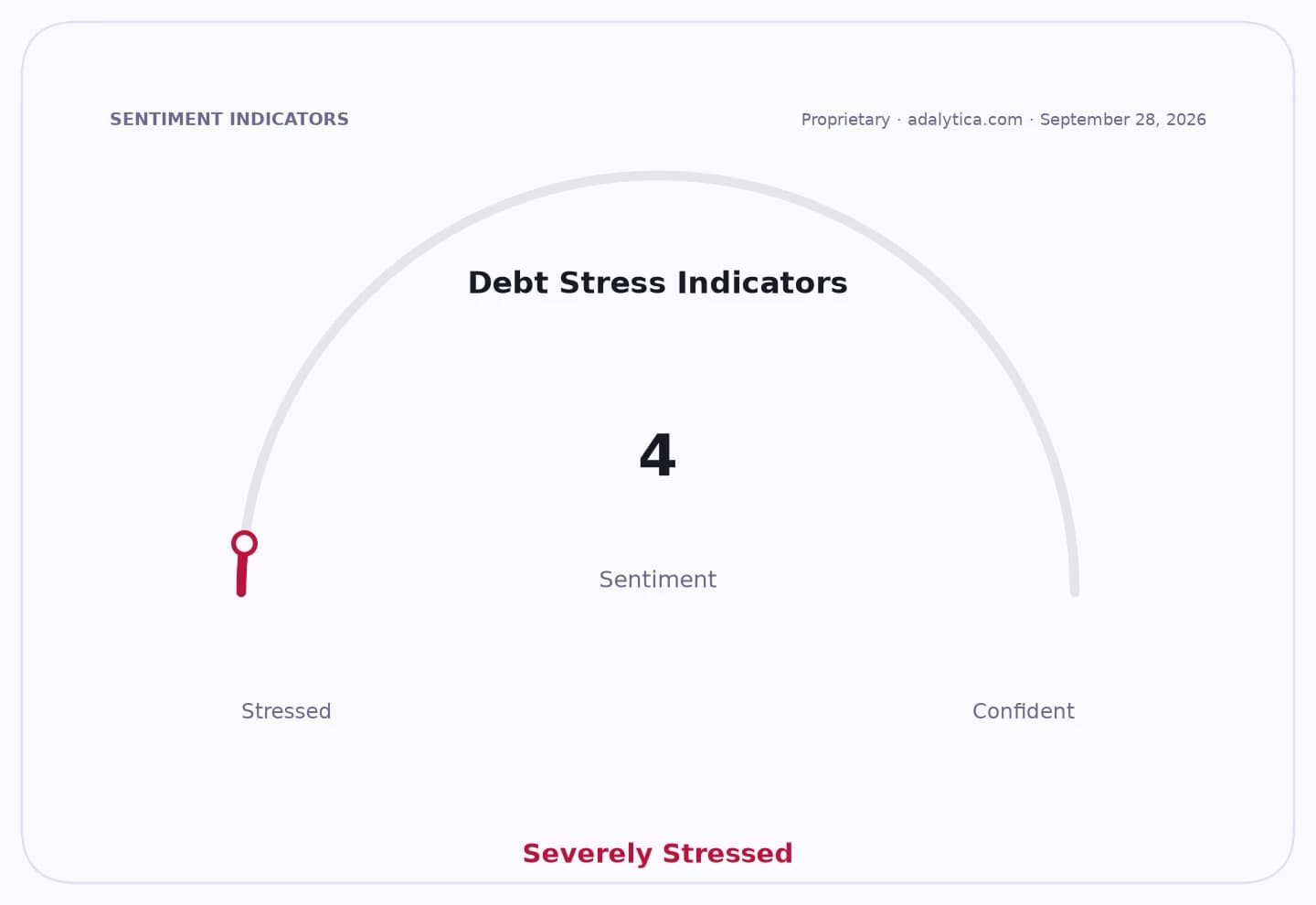
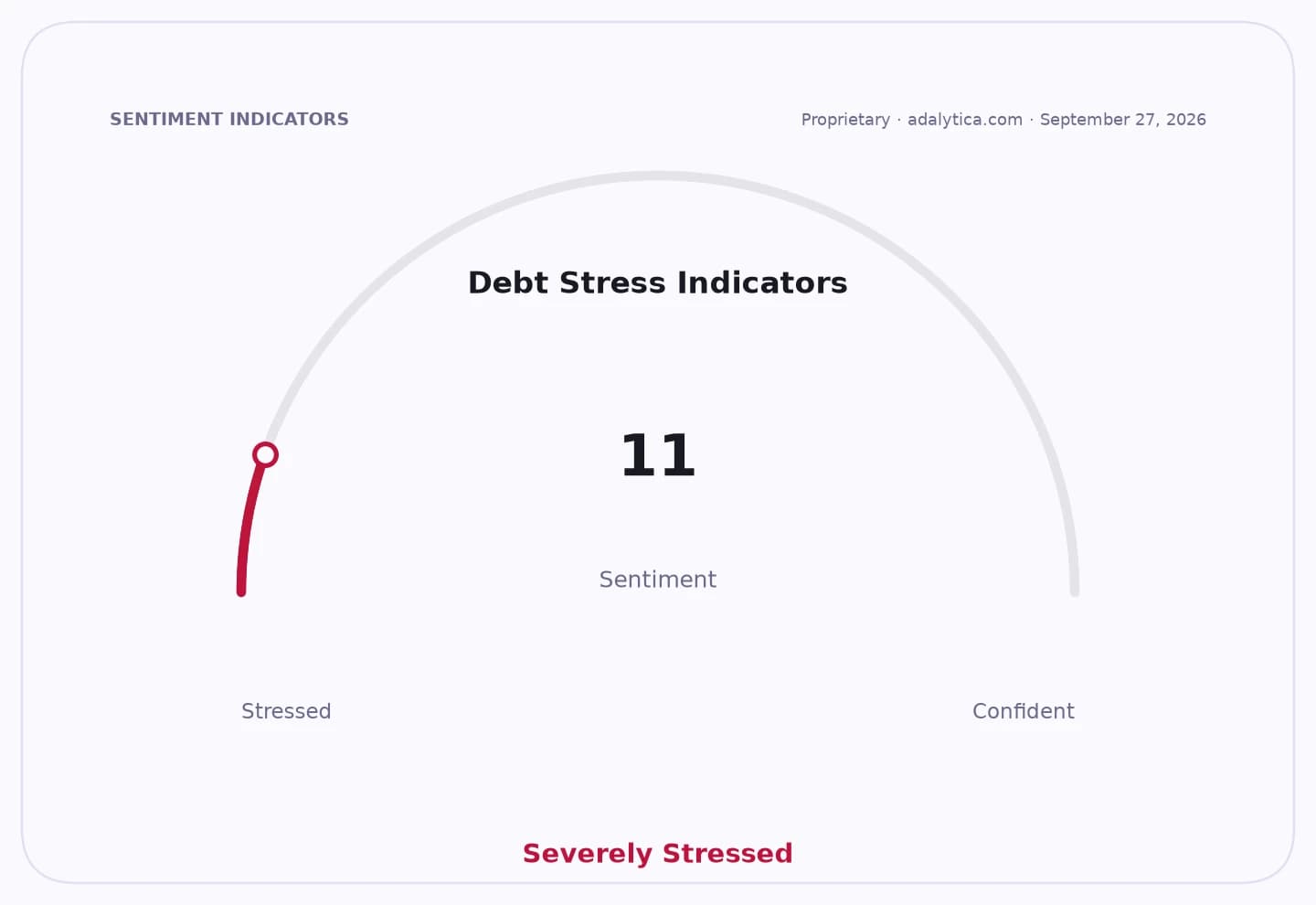
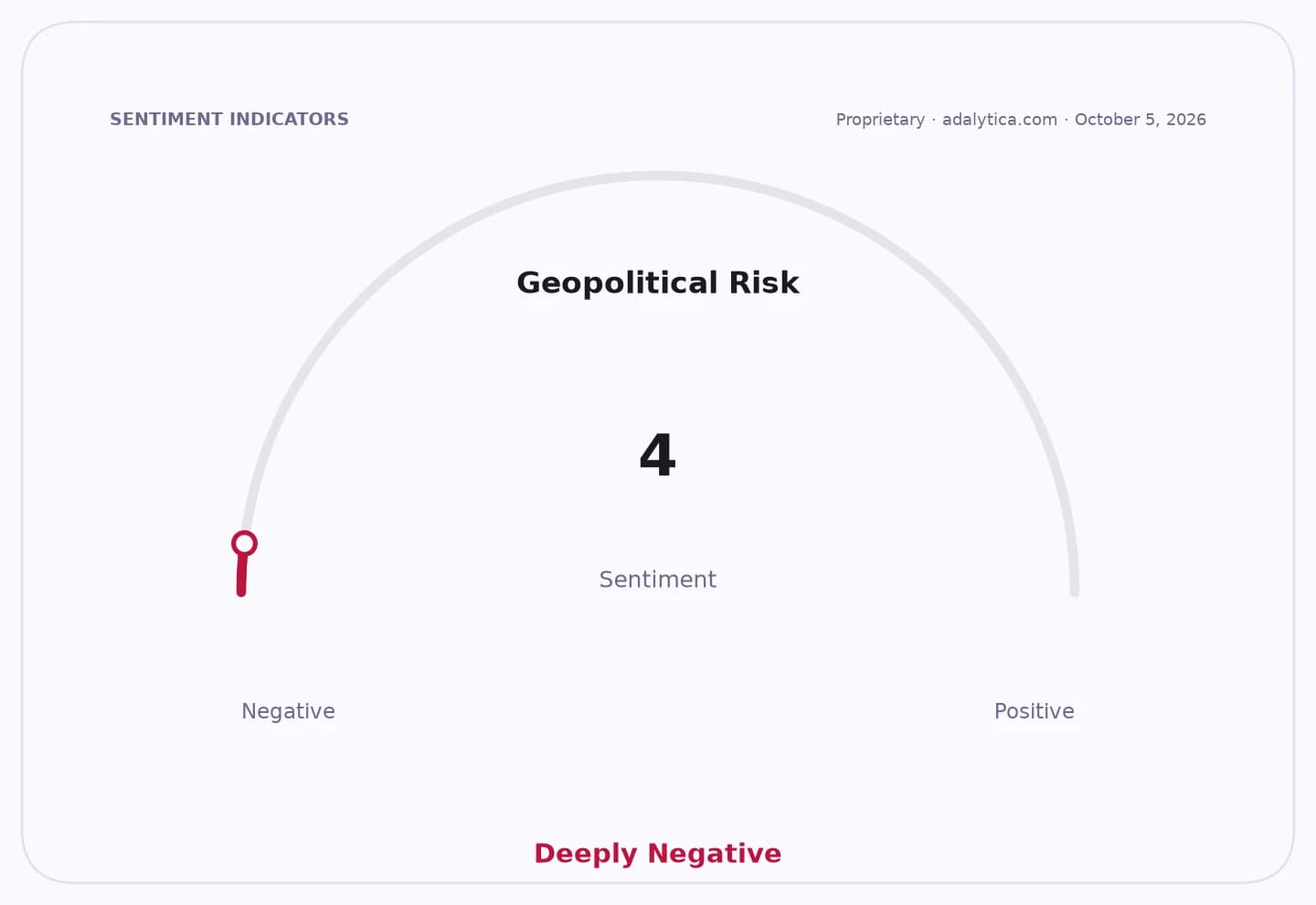
Sentiment IndicatorsⓘProprietary · adalytica.com · September 30, 2026
This is a snapshot — live sentiment, awareness and momentum for 130+ markets update continuously in the dashboard.Open AlphaPulse
The lawsuit, filed by the Project on Predatory Student Lending, says the department is violating the Fair Credit Reporting Act by furnishing credit bureaus with balances on debt discharged through the borrower-defense-to-repayment program. That program was designed to erase loans for students defrauded by schools, including Ashford University and ITT Technical Institute.
The group estimated that the Education Department is incorrectly reporting about 300,000 borrowers tied to $4.6 billion of canceled debt. One plaintiff, Mandy Woods, says she borrowed $65,000 to attend Ashford, but her credit report still shows more than $71,000 owed despite qualifying for relief.
For investors, the dispute is another sign that the U.S. student-loan system remains legally and operationally messy even after years of relief efforts. It also underscores how credit reporting accuracy has become a financial issue, not just a consumer-protection one: bureau data feeds directly into underwriting, pricing and loss models across the lending market.
The timing matters for the credit ecosystem as a whole. Conventional technical indicators on Equifax, the major bureau named in many credit-data disputes, show the stock under pressure, with the shares trading far below both the 50-day and 200-day moving averages and the relative strength index in deeply oversold territory. TransUnion has also weakened sharply. That does not mean the lawsuit will move the shares on its own, but it highlights how sensitive credit-data providers remain to legal and regulatory scrutiny.
The broader backdrop is a consumer-credit market still expanding, even as borrowers remain under strain. Adalytica’s Credit Card Usage Sentiment gauge shows a jump to “Greed” from “Extreme Fear,” suggesting consumers are still leaning on revolving credit even as awareness remains low. If student-loan borrowers carry damaged credit profiles despite being granted relief, that can distort borrowing behavior, suppress household balance-sheet repair and delay the broader economic benefit policymakers say forgiveness is meant to deliver.
The Education Department has not yet responded publicly to the complaint. If the case succeeds, it could force a cleanup of millions of credit files and sharpen the pressure on Washington to make discharged debt disappear not only from balance sheets, but from the data that determines whether Americans can borrow at all.
| Entity | Gains | Losses |
|---|---|---|
| Borrowers with forgiven debt | ▲Credit repair if lawsuit succeeds | ▼Damaged scores and possible collections |
| Project on Predatory Student Lending | ▲Leverage in legal challenge | ▼None if case drags on |
| Education Department | ▲None | ▼Litigation risk and reputational damage |
| Equifax / TransUnion | ▲None | ▼Legal scrutiny over credit reporting |