A 60-year-old Rhode Island mother owing about $156,000 on Parent PLUS loans is a sharp reminder that America’s student-debt problem now stretches well past graduation and into retirement planning, with millions of parents carrying balances that can outlive the degrees they financed.
Parent PLUS debt reaches retirement years
The case of Nansi Lynch matters because it shows how federal lending meant to widen college access can instead become a long-dated liability for households already near peak spending years. Lynch, who has worked for nearly three decades as a school bus driver and also runs a gym with her son, said she pays about $238 a month now but fears the bill will rise when a deferment period ends in 2027. She says she may not be debt-free until age 75.
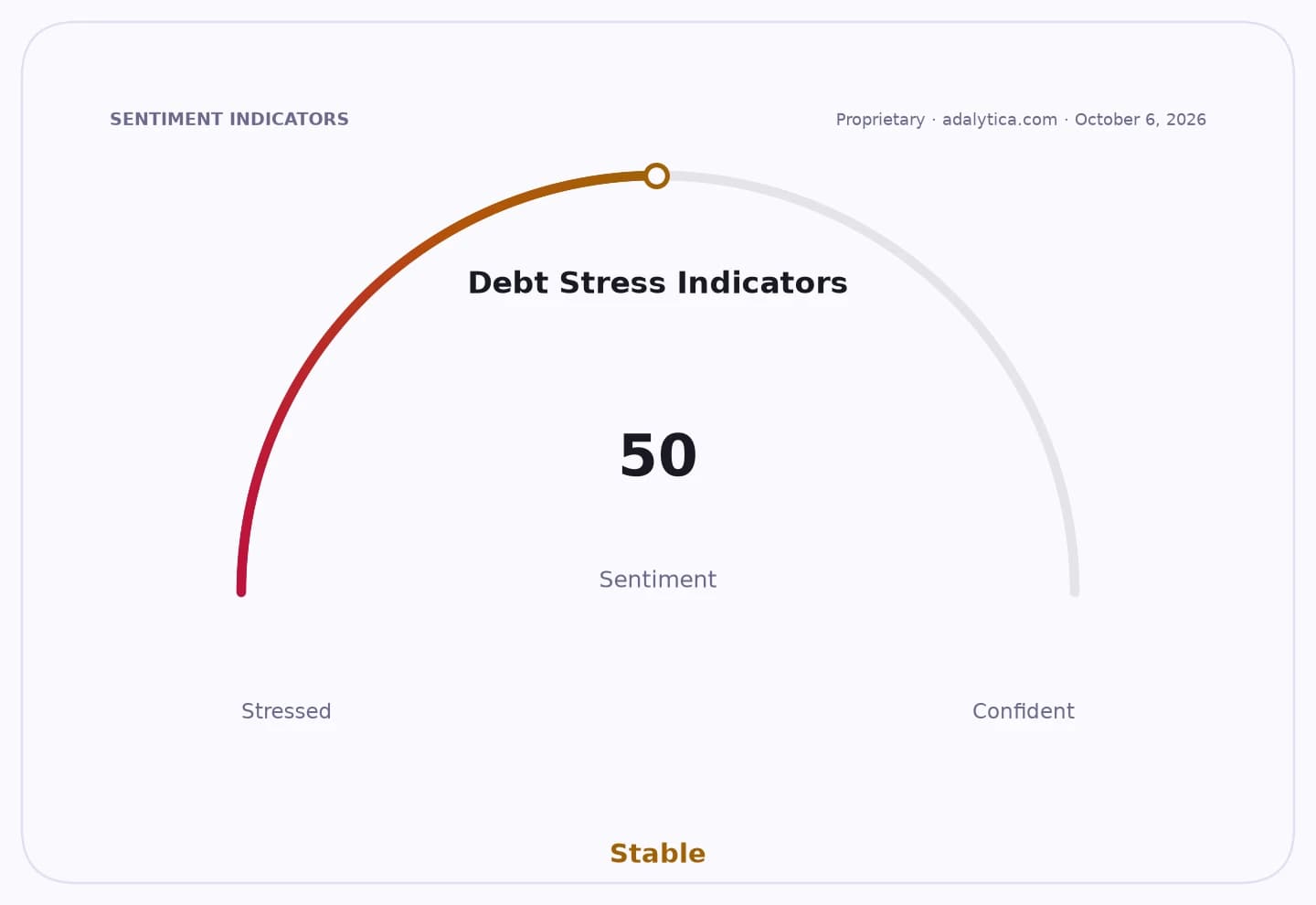
Sentiment IndicatorsⓘProprietary · adalytica.com · September 27, 2026
This is a snapshot — live sentiment, awareness and momentum for 130+ markets update continuously in the dashboard.Open AlphaPulse
That is economically important because the debt burden is not confined to young borrowers building credit histories. For families like Lynch’s, Parent PLUS loans can crowd out borrowing for housing, business investment and retirement saving, locking in weaker balance sheets just when older workers should be accumulating assets. She said a loan application for a move tied to her gym was rejected because of her existing debt load and mortgage.
The broader scale is large. Federal Student Aid data show about 3.6 million people held outstanding Parent PLUS loans in 2024, with more than $110 billion in remaining balances. Unlike many other federal student loans, the program historically had no income-based cap on how much parents could borrow, which encouraged families to finance gaps left by scholarships and other aid, but also left them exposed to compounding interest and repayment schedules that can extend for decades.
For investors, the story cuts through to the economics of higher education finance. It supports the case for continued demand in the student-loan market, but also underscores the credit and policy risks facing lenders, servicers and education-finance platforms if repayment stress keeps rising. Sallie Mae, Navient and SoFi are all exposed to a market in which borrowers are navigating higher rates, changed repayment rules and a more politically sensitive policy backdrop. Even if unemployment remains relatively low, borrowers near retirement may still struggle because their debt service is tied to fixed monthly payments rather than income growth.
That tension helps explain why Washington has moved to restrict the program. The Trump administration has capped new Parent PLUS loans at $65,000 per child, an acknowledgement that unlimited parent borrowing can produce debts that are difficult to extinguish over a working lifetime. The change is unlikely to ease existing balances quickly, but it may slow the creation of new long-duration obligations that hit older households hardest.
The investment question is whether policy reform and repayment pressure reduce origination volumes while leaving the legacy book in place. Sallie Mae’s shares have weakened this year even as its loan book remains sizable, while Navient and SoFi have been more volatile as markets reassess consumer credit quality and growth in private education lending. Conventional technical indicators on those stocks have reflected that uncertainty, with recent trading showing both names below their 200-day moving averages at points during the summer and autumn, a sign of uneven investor conviction rather than a clean trend.
The case also resonates beyond Wall Street. In the U.S., it reinforces the debate over whether college finance is functioning as social mobility policy or as a multigenerational debt transfer. In Germany, by contrast, BAföG limits repayment and caps what students owe, highlighting how unusual the U.S. model is in allowing family borrowing to become a retirement issue.
For borrowers, the lesson is straightforward: federal student debt can be a balance-sheet problem, not just an education expense. For investors, the key watchpoint is whether reform, tighter underwriting and slower new originations can reduce the system’s long-term stress without triggering a sharper hit to growth in education finance.
| Entity | Gains | Losses |
|---|---|---|
| Parent PLUS borrowers | ▲More access to college funding | ▼Retirement security and cash flow |
| Student-loan lenders | ▲Continued loan demand | ▼Higher policy and credit risk |
| U.S. policymakers | ▲Ability to cap future borrowing | ▼Pressure to address legacy debt |
| Older households | ▲None | ▼Long-dated repayment burdens |