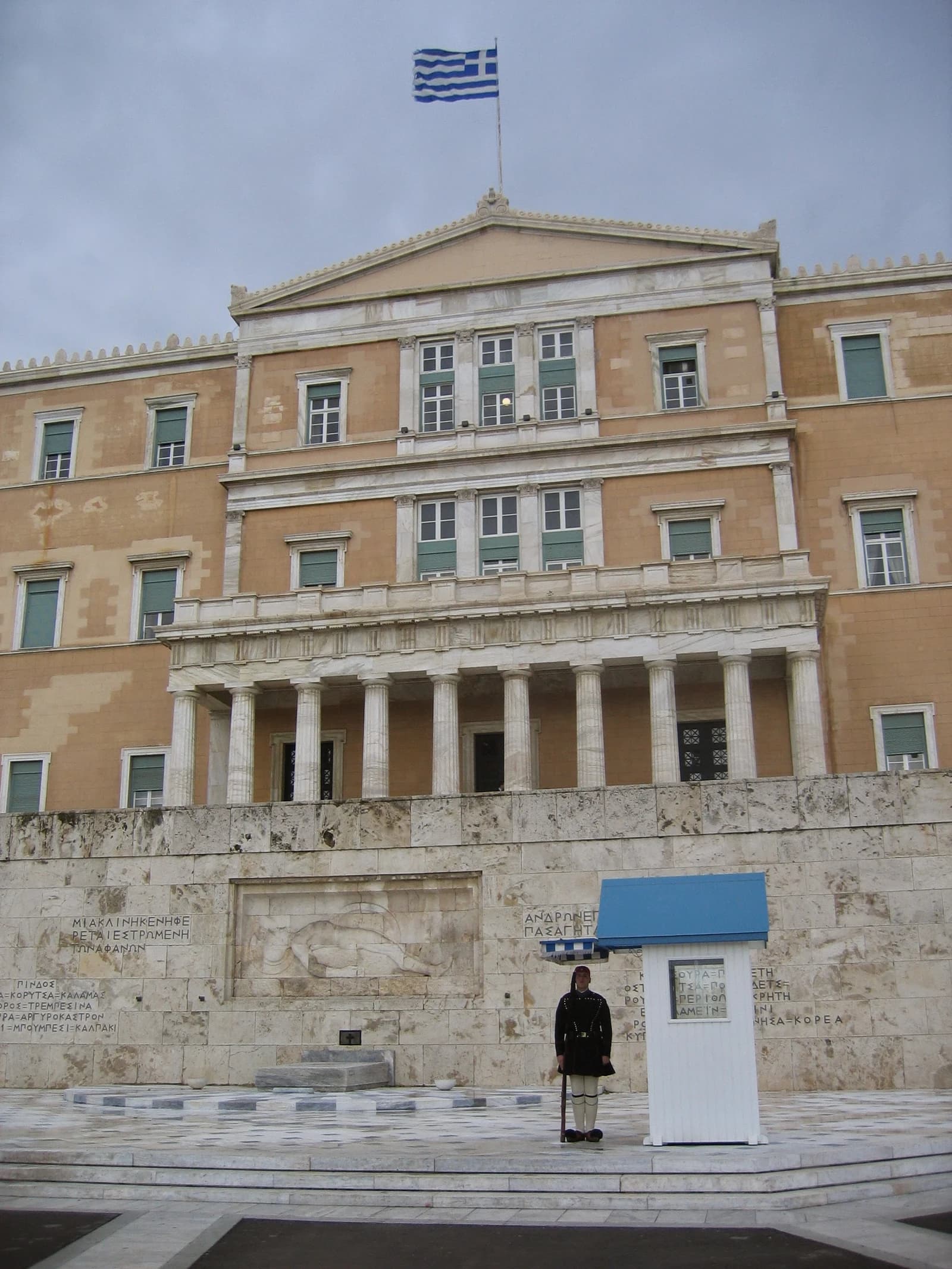
PASOK has tabled a proposal for a law on private debt, putting borrower protection and debt restructuring back at the center of Greece’s economic debate as households and small businesses continue to struggle with repayments.
PASOK tables private debt law proposal in Greece
The move matters because private debt has become a drag on spending, credit growth and confidence in an economy still trying to normalize after years of crisis-era arrears. A clearer legal framework could make restructurings faster and more predictable, reducing the risk that unpaid loans keep freezing out viable borrowers and clogging up bank balance sheets.
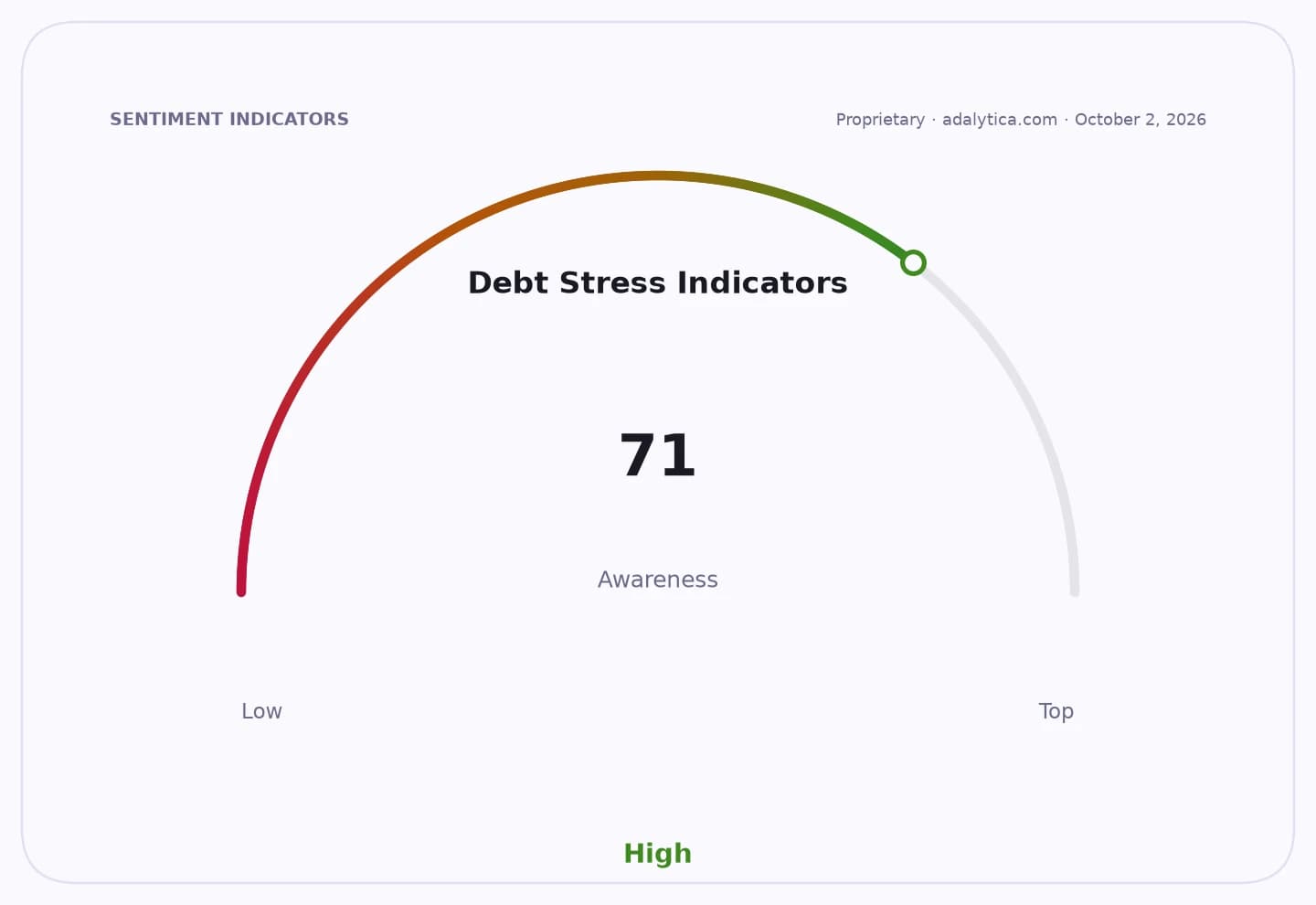
Sentiment IndicatorsⓘProprietary · adalytica.com · October 4, 2026
This is a snapshot — live sentiment, awareness and momentum for 130+ markets update continuously in the dashboard.Open AlphaPulse
For lenders, any reform that improves workout rates would help limit losses and free up capital for new lending. For borrowers, it could mean more room to renegotiate terms before debts spiral into legal disputes, especially in a market where high interest rates and tight living costs have left many households under strain.
The proposal lands at a time when investors remain sensitive to debt stress across sovereign and private markets, with Greece’s recovery story still tied to whether credit can flow without reviving the bad-loan problems that defined the past decade. If the law advances, it could become a key test of how far policymakers are willing to go to support repayment discipline without forcing more defaults.
| Entity | Gains | Losses |
|---|---|---|
| Borrowers | ▲Easier restructuring | ▼Less leverage to delay payment |
| Banks | ▲Better recoveries | ▼Higher compliance burden |
| PASOK | ▲Political traction | ▼Expects scrutiny on details |
| Economy | ▲Stronger credit flow | ▼Near-term legal uncertainty |