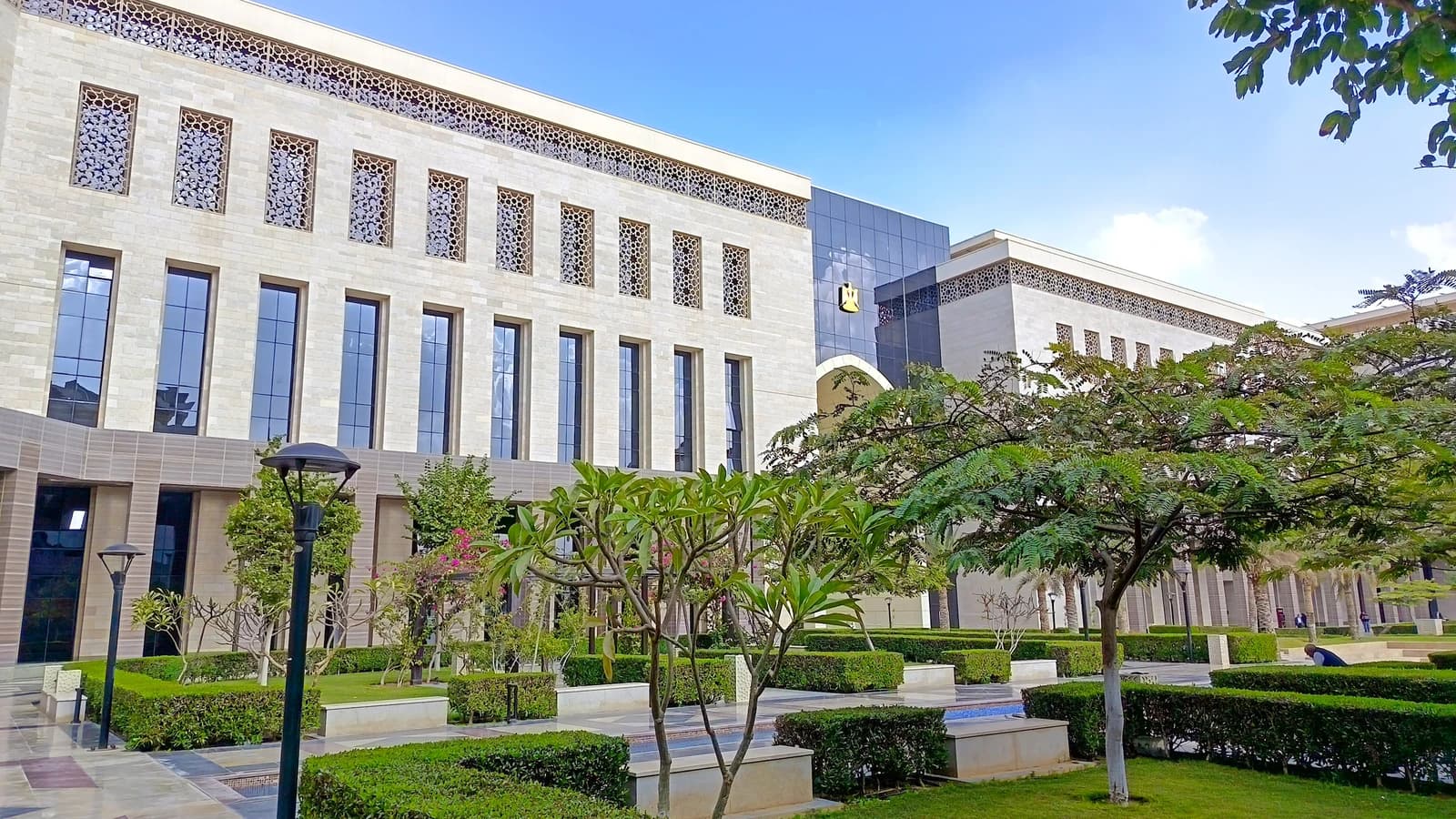
Egypt’s cabinet has approved a 100 million yuan Chinese grant, a non-repayable economic and technical cooperation package that adds fresh funding for development projects and underscores Cairo’s push to broaden foreign financing as it seeks to support growth without worsening debt pressure.
Egypt cabinet approves 100 million yuan China grant
The decision, announced after the weekly cabinet meeting chaired by Prime Minister Mostafa Madbouly, is the most economically significant item in a slate of nine approvals that also touched on investment, infrastructure, housing and state-owned industry. For Egypt, concessional or grant-based external funding matters because it brings hard currency and project capital into an economy still reliant on foreign inflows to stabilize reserves, support the currency and finance public works.
Sentiment Indicators
Economic Growth Targets
The Chinese grant comes as Egypt works to deepen ties with one of its most important economic partners. Beijing has been a regular source of financing and investment for infrastructure and industrial projects across emerging markets, and grant funding is especially valuable because it does not add to the sovereign debt burden that has weighed heavily on Egypt’s fiscal outlook.
The cabinet also said it had revised rules for investment opportunities offered through the New Urban Communities Authority’s foreign investment portal, allowing full payment in U.S. dollars transferred from abroad under a first-come, first-served allocation system. Officials said the change is aimed at boosting foreign-currency inflows, a priority for a country that has repeatedly faced pressure on dollar liquidity.
Other approvals pointed to the government’s focus on local development and state-sector expansion. The cabinet backed an expanded boundary for New Luxor City to make room for tourism, housing, education and hotel projects, and approved a plan by the state pharmaceutical holding company to set up a new distribution and trading vehicle, Dawaa Holdi, with a U.S. partner to manufacture supplements and medical consumables and to open export channels to Africa, Europe, Canada and the United States.
The package also included local waste-management contracts, electricity hookups for a recycling plant tied to Kitchener Drain cleanup, and infrastructure works for Suez University’s science faculty in South Sinai. Together, the decisions point to a government trying to pair foreign-currency attraction with domestic investment and industrial upgrading.
For investors, the immediate takeaway is that Egypt is still leaning on external partnerships and policy tweaks to draw in dollars while using state-backed projects to support employment and activity. The next focus will be whether the new land-sale rules and foreign cooperation deals translate into actual capital inflows and project execution, rather than just announcements.
| Entity | Gains | Losses |
|---|---|---|
| Egypt government | ▲Fresh grant funding; dollar inflows | ▼Added execution pressure |
| China | ▲Deeper economic influence | ▼More capital committed abroad |
| Foreign investors | ▲Easier dollar-based land access | ▼Faster competition for assets |
| Debt-heavy financing model | ▲Less reliance on borrowing | ▼Grant-based funding still limited |