Egypt is reducing liquefied natural gas imports by 11% in September after stronger Israeli pipeline supplies eased pressure on the country’s gas system, cutting a key source of demand in a tightening regional market.
Egypt cuts September LNG imports as Israeli gas rebounds

The lower LNG bill matters because Egypt is one of the Middle East’s most closely watched swing buyers, and its buying pattern can move cargoes across the Atlantic Basin and Mediterranean. A drop in imports from a planned 1.7 million tons in August to about 1.5 million tons this month reduces Egypt’s need for expensive spot purchases at a time when Asian LNG prices remain elevated.
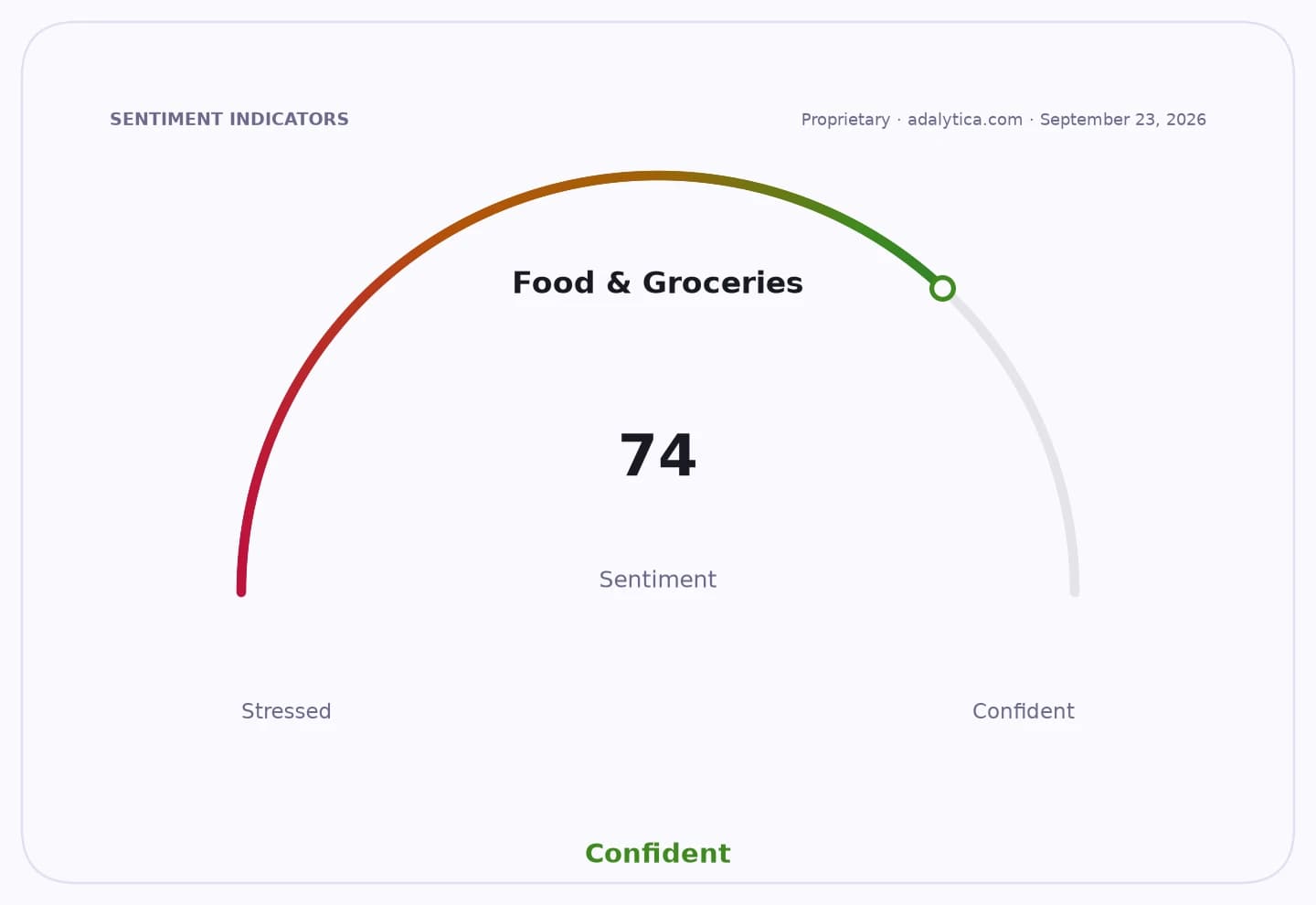
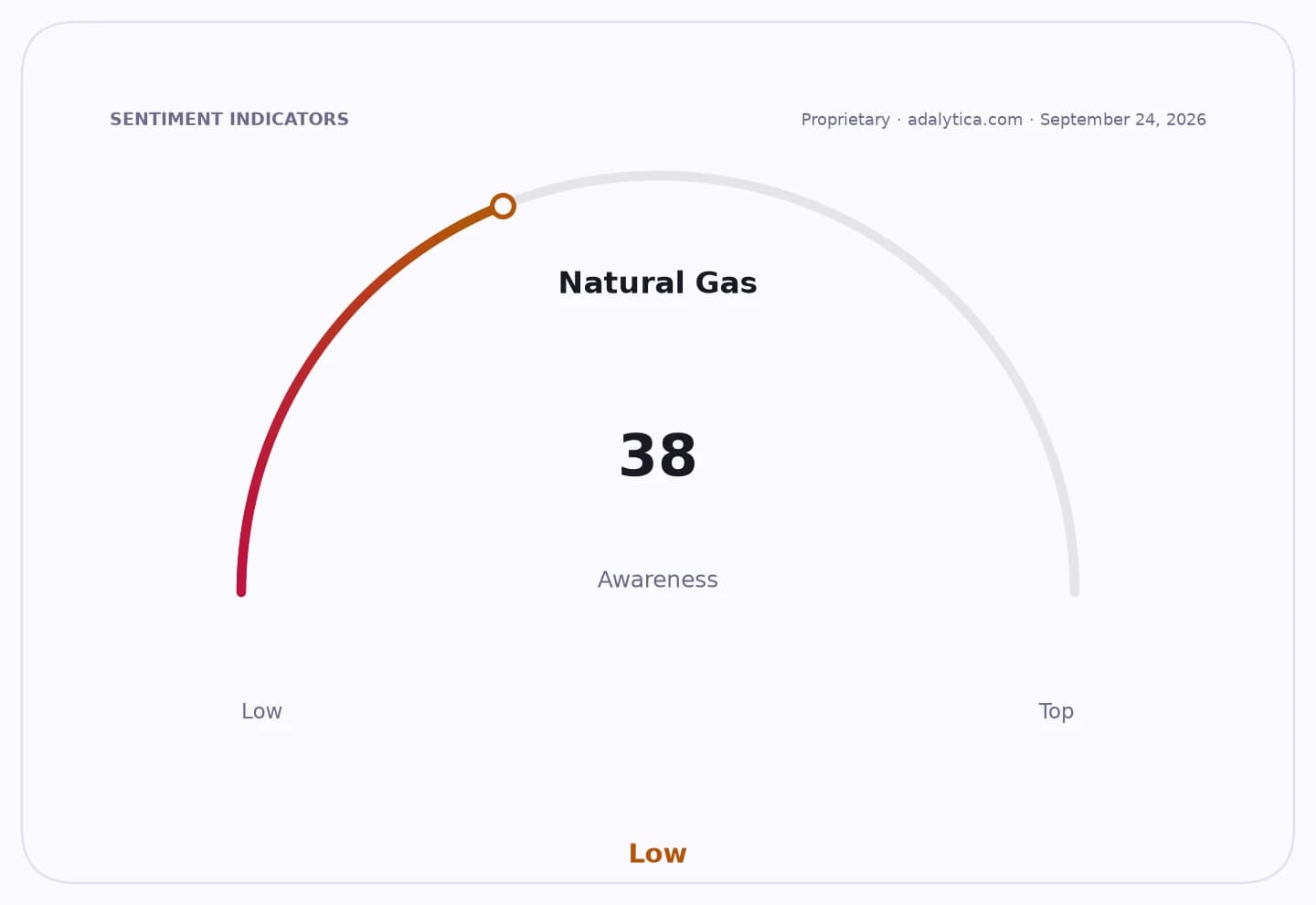
Sentiment IndicatorsⓘProprietary · adalytica.com · September 10, 2026
This is a snapshot — live sentiment, awareness and momentum for 130+ markets update continuously in the dashboard.Open AlphaPulse
A government source told Arabic Business the September volume will amount to about 73 billion cubic feet after regasification, down from 82.8 billion cubic feet in August, enough to provide average supplies of around 2.4 billion cubic feet per day. The cargoes are expected to cover roughly 33% of Egypt’s gas needs for power and industry, with the rest coming from domestic output and Israeli inflows.
The shift is being driven mainly by a recovery in Israeli gas deliveries to nearly 1 billion cubic feet a day after maintenance work cut flows in August by about 45% at the Tamar and Leviathan fields. That rebound has reduced the amount Egypt needs to source through LNG, while the government keeps a lid on fuel shortages ahead of peak summer power demand.
For investors, the implications run through LNG producers, shipping demand and regional pricing. Fewer cargoes from Egypt can soften marginal demand for seaborne LNG, while any renewed disruption to Israeli flows would quickly force Cairo back into the spot market.
Egypt is also expanding its regasification capacity this year by adding storage and upgrading existing floating units, part of a broader effort to keep power plants and industrial users supplied. The country is still pressing to raise domestic production and attract foreign investment, but for now its import mix remains highly dependent on regional pipeline reliability and global LNG prices.
| Entity | Gains | Losses |
|---|---|---|
| Egypt | ▲Lower LNG import bill | ▼Less spare supply cushion |
| Israeli gas suppliers | ▲Higher pipeline demand | ▼Exposure to maintenance outages |
| LNG exporters | ▲Continued demand from Egypt | ▼Fewer September cargoes |
| Egyptian power and industry | ▲Steadier fuel supply | ▼Still reliant on imports |