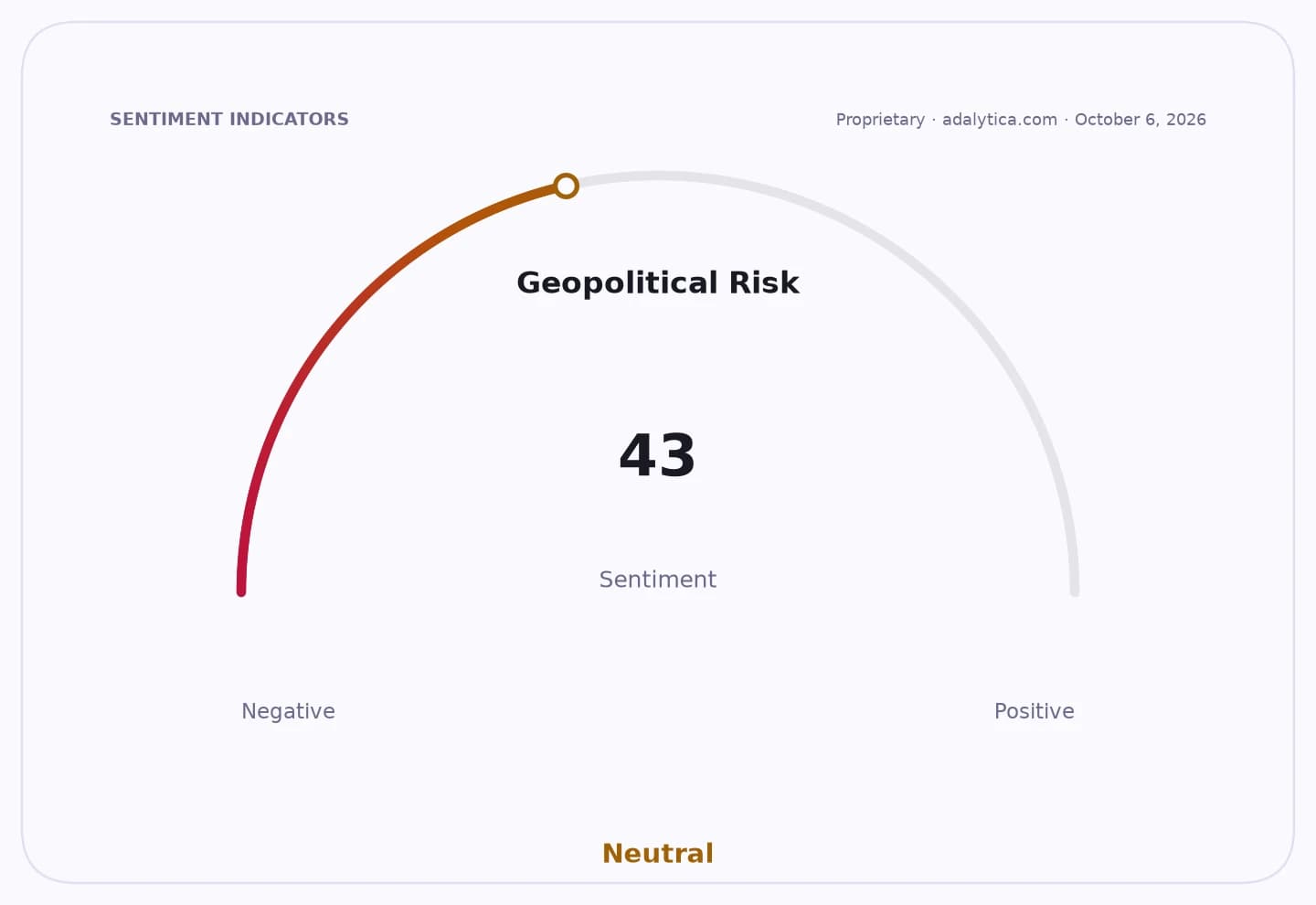
Egypt’s economy grew 5.1% despite regional turmoil, a sign that the country’s reform push and private-sector drive are starting to offset the drag from geopolitical shocks and keep growth on track.
Egypt Economy Grows 5.1% Despite Regional Turmoil
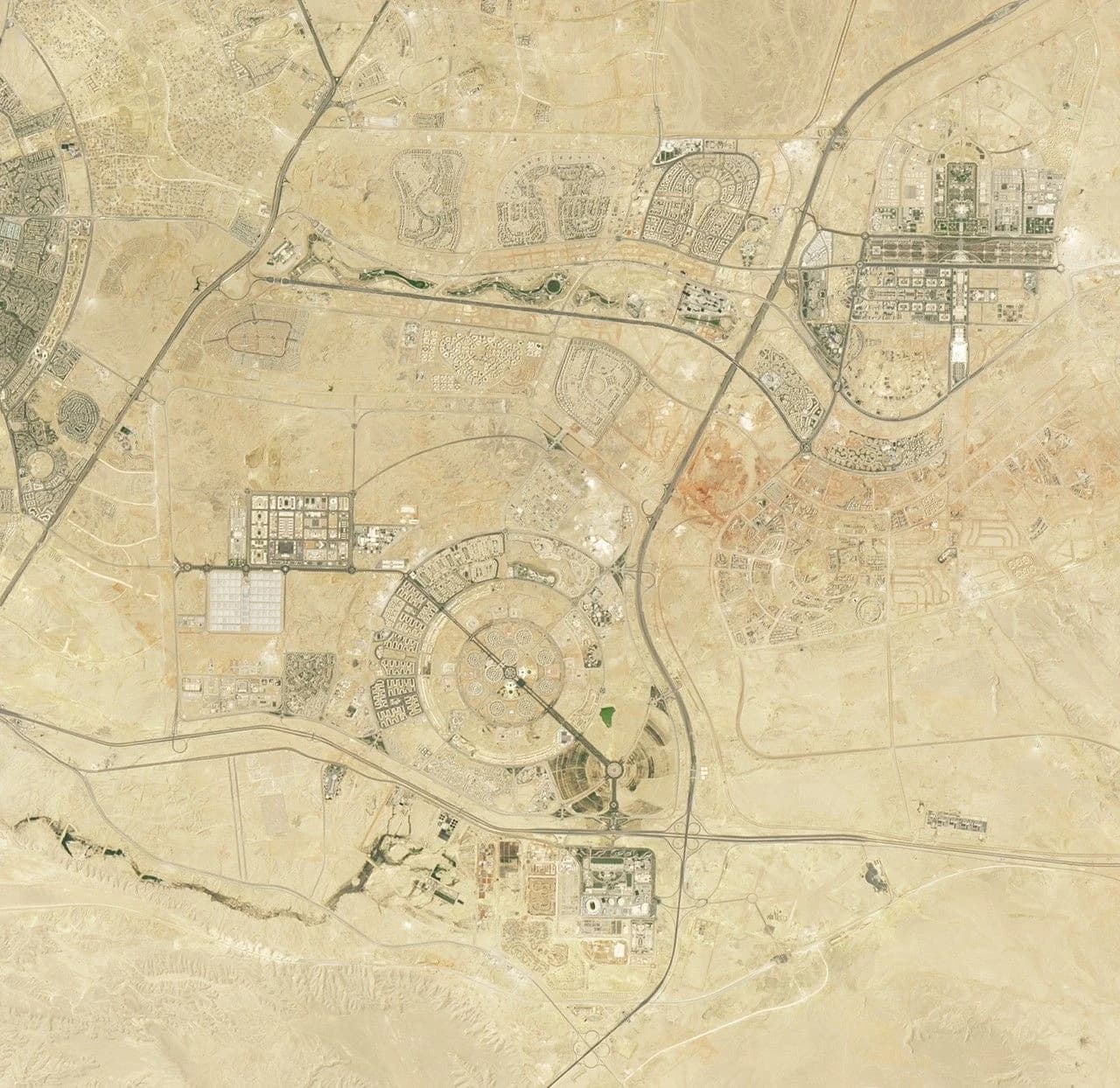
That matters because Egypt sits at the crossroads of trade, capital flows and energy markets in a region where disruptions can quickly feed into inflation, tourism, shipping and investor confidence. A growth rate above 5% suggests the economy is not just absorbing the shock, but still generating enough momentum to support jobs, investment and government finances.
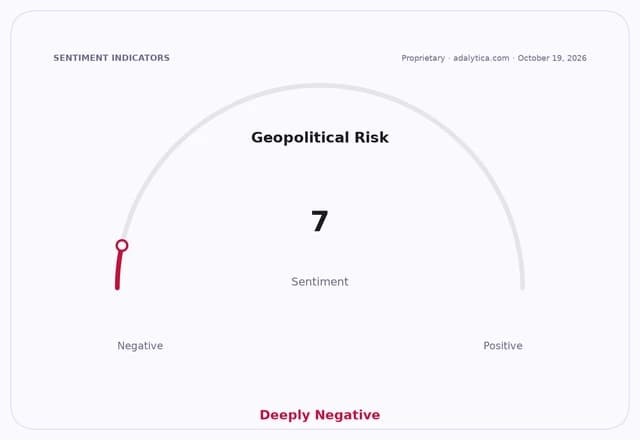
Sentiment IndicatorsⓘProprietary · adalytica.com · October 19, 2026
This is a snapshot — live sentiment, awareness and momentum for 130+ markets update continuously in the dashboard.Open AlphaPulse
Planning Minister said the government has backed the rebound with structural and economic reforms aimed at strengthening macroeconomic stability and tightening public finances. Just as important for long-term investors, Cairo is leaning harder on the private sector as the main engine of growth and sustainable employment, with priorities including infrastructure, renewable energy and green projects.
Those are the kinds of sectors that can compound over years, not quarters. Infrastructure spending supports contractors, materials and logistics. Renewable energy can reduce imported fuel dependence and improve the country’s external balance. Green investment also helps Egypt attract more global capital at a time when emerging markets are competing for every dollar.

The minister’s comments came during meetings with international institutions in Bangkok on the sidelines of the World Bank and IMF annual gatherings, where Egypt was discussing mechanisms to secure financing for infrastructure projects. That is a crucial point for investors: growth is one thing, but keeping the financing pipeline open is what turns a cyclical rebound into a durable story.
For equity investors, the message is that Egypt is still a higher-risk market, but one with a clearer reform and investment narrative than many peers. The broad emerging-market ETF EEM has been under pressure recently, with technical indicators showing the fund below its 50-day moving average and RSI readings in oversold territory, a reminder that global risk appetite remains fragile. Against that backdrop, Egypt’s ability to post 5.1% growth stands out as a relative positive rather than just a macro headline.
The bigger takeaway is that the country is trying to convert stability into investment appeal. If reforms continue, private capital keeps flowing and infrastructure finance stays available, Egypt could build a sturdier growth path even as geopolitics remain unpredictable. For long-term investors, that makes Egypt worth watching rather than chasing — and worth keeping on the watchlist for the next phase of EM opportunity.
| Entity | Gains | Losses |
|---|---|---|
| Egypt’s economy | ▲Stronger growth outlook | ▼Geopolitical shock absorption burden |
| Private sector | ▲More investment opportunities | ▼Slower state-led dominance |
| Infrastructure and renewables | ▲Better financing pipeline | ▼Delayed projects if funding tightens |
| Global investors | ▲Clearer reform story | ▼Near-term political and FX risk |