Egypt’s economy expanded 4.9% in the first quarter of the current fiscal year, a pace that matters less as a headline number than as proof that growth is broadening even as regional tensions and global uncertainty stay elevated.
Egypt GDP Grows 4.9% as Suez Activity Rises
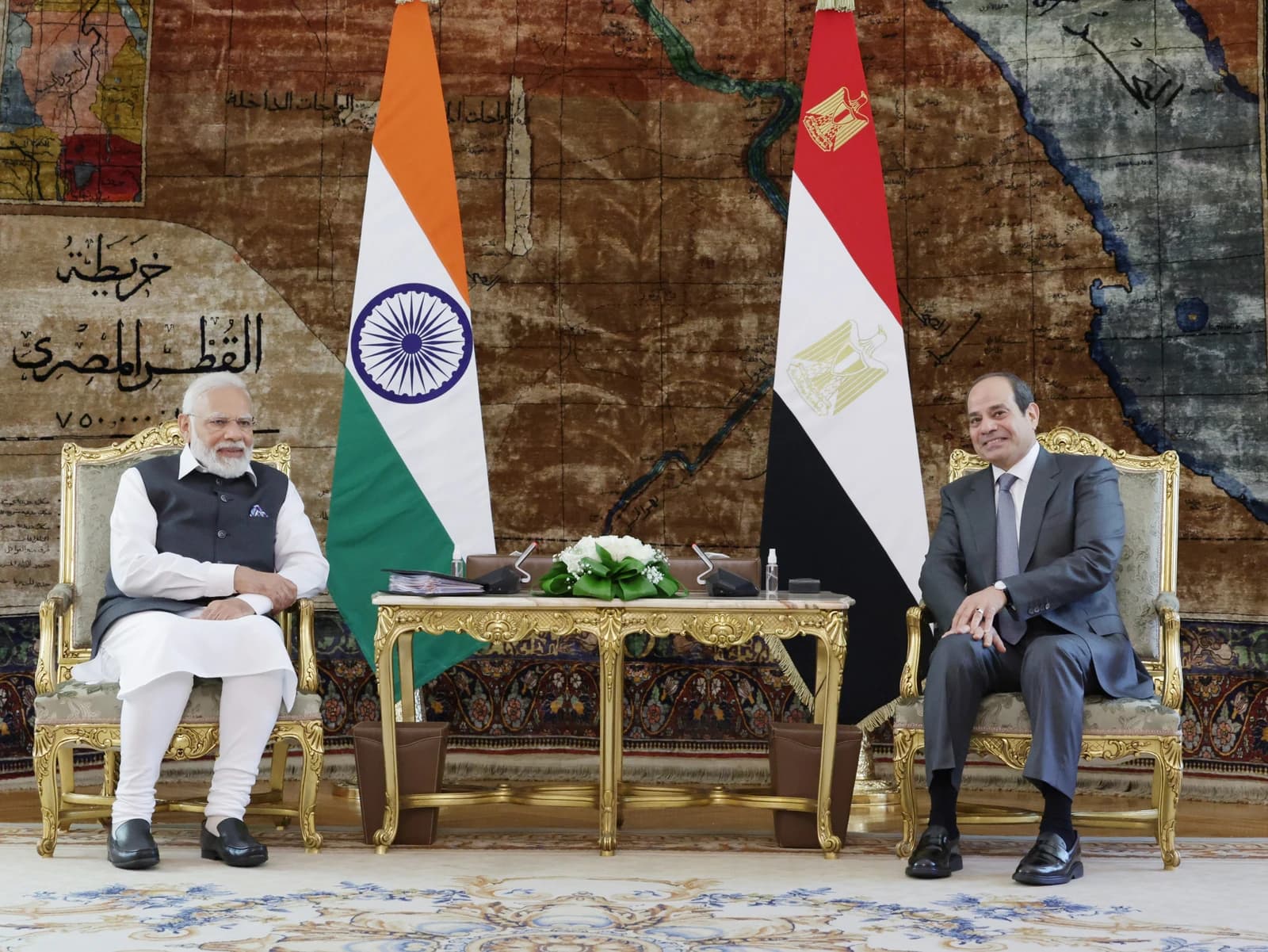
That resilience is the key investment message. For a country long judged through the prism of external shocks, foreign-currency stress and energy volatility, sustained expansion across core sectors suggests the economy is still finding traction where it counts: manufacturing, agriculture, telecoms, construction and trade together accounted for 68% of total GDP growth.
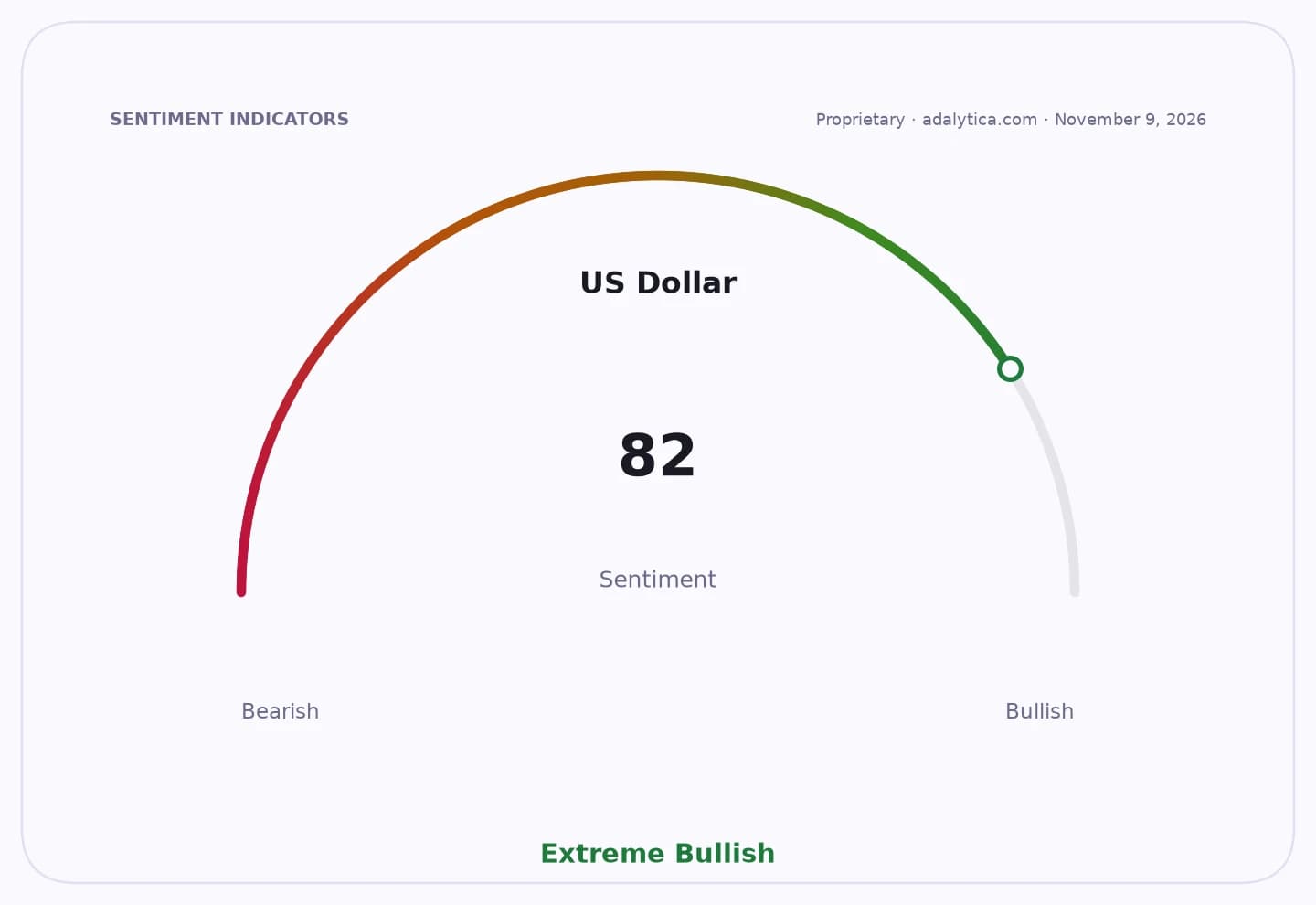
Sentiment Indicators
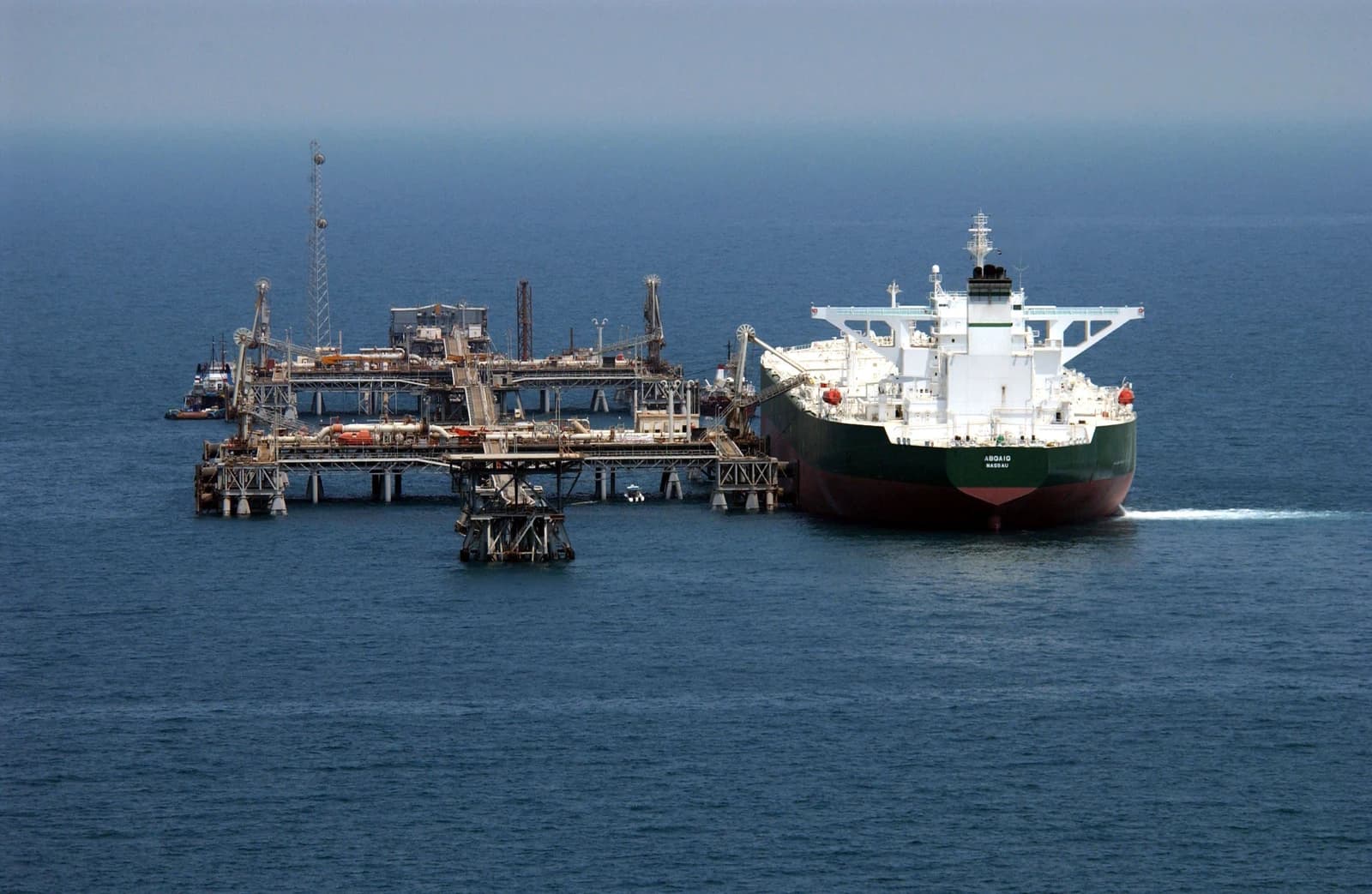
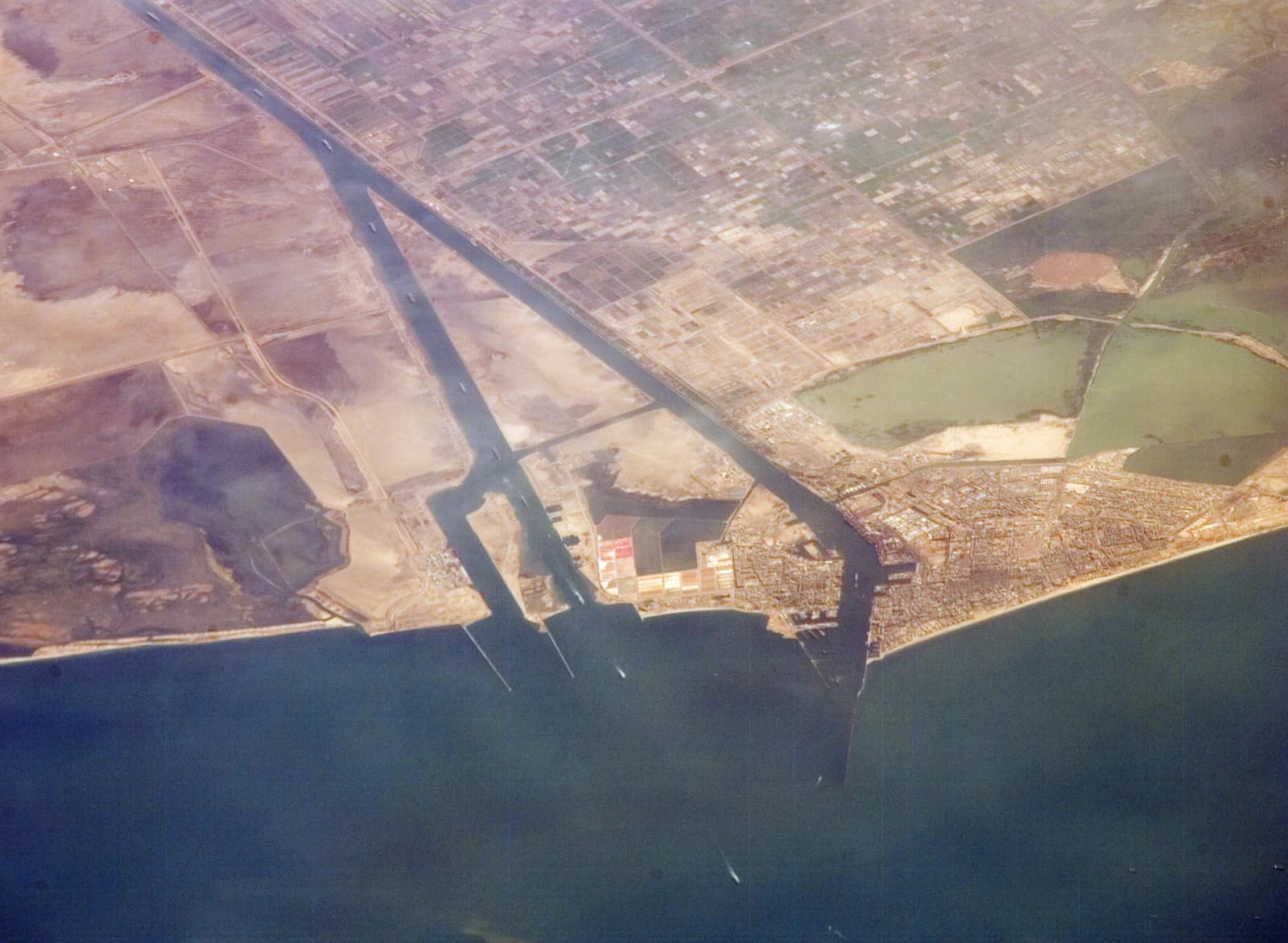
The strongest signal came from the composition of that growth, not just the rate itself. Activity linked to the Suez Canal surged 47.5% from a year earlier, while petroleum refining rose 19.6%, electricity 4.3%, hotels and restaurants 4%, and non-oil manufacturing 3.9%. That mix points to a recovery that is not purely cyclical or one-off. It reflects trade flows, industrial throughput, domestic demand and service-sector normalization all pulling in the same direction.
For investors, that matters because it improves the case for Egypt as a selective emerging-market re-rating story rather than a perpetual macro distress trade. Stronger growth can support revenues across local industrials, logistics, consumer services and banks, while also easing pressure on policymakers to choose between stabilization and expansion. It may also help anchor confidence in the broader investable universe, from the EGX to Egypt-focused funds such as the EZA ETF, even if near-term volatility remains high. EZA’s recent price action shows the market is still cautious, but the underlying growth story is better than the market may be pricing.
The macro backdrop is still fraught. Geopolitical shocks can quickly hit tourism, shipping, capital flows and the currency, and Egypt remains exposed to oil prices and external financing conditions. But the latest print shows the economy is absorbing those stresses better than many expected. The more important question now is whether this becomes a durable trend, or merely a strong quarter against a difficult backdrop.
My view: the market underestimates Egypt’s ability to compound growth through infrastructure, trade and industrial capacity. If that momentum holds into the next quarters, the upside will likely accrue first to domestic cyclical stocks, exporters tied to logistics and trade, and any listed companies leveraged to a steadier currency and stronger activity base.
| Entity | Gains | Losses |
|---|---|---|
| Egyptian economy | ▲Stronger growth momentum | ▼Macro skepticism |
| Suez Canal activity | ▲Higher trade-linked income | ▼Shipping disruption risks |
| Domestic cyclicals | ▲Better revenue outlook | ▼Weak-demand bears |
| Currency and external-stress bears | ▲Less downside narrative | ▼Short thesis credibility |