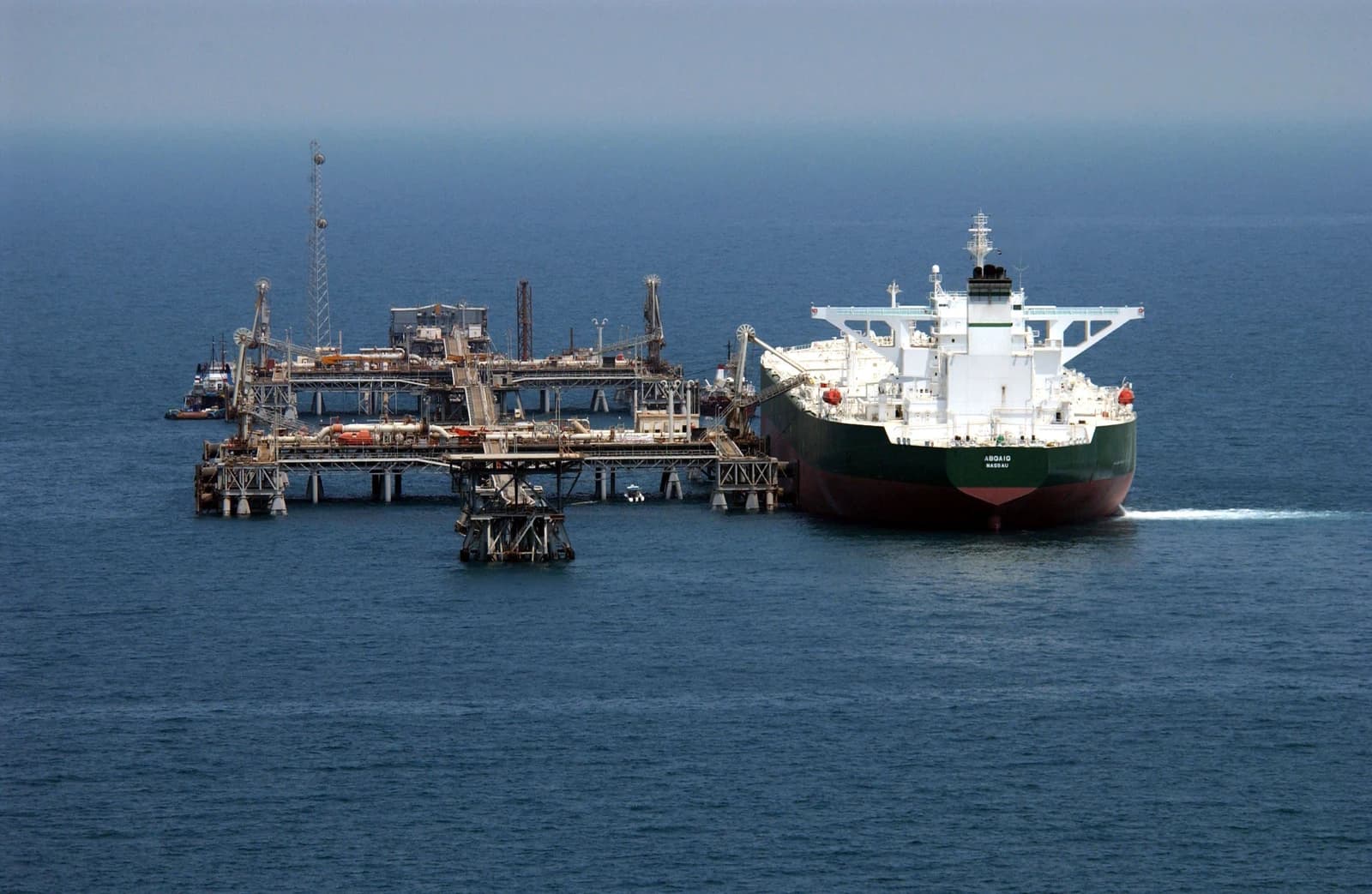
Egypt is planning a $33.13 billion investment push to raise oil and gas production through 2030, a bet that higher domestic supply can ease import bills, support the state budget and reduce the country’s exposure to volatile global energy markets.
Egypt Plans $33.13 Billion Oil and Gas Push
For investors, the message is bigger than a spending plan. Egypt is trying to close a widening gas gap at a time when local demand remains heavy and domestic output has fallen short. The government said it wants gas production to rise to 4.6 billion cubic feet a day in fiscal 2027-28, then 5.1 billion cubic feet a day in 2028-29, and 6 billion cubic feet a day by 2029-30. That would be a sharp step up from the 4.1 billion cubic feet a day target for the current fiscal year, and well above the 3.7 billion cubic feet a day Egypt was producing by midyear, according to earlier comments from Petroleum Minister Karim Badawi.
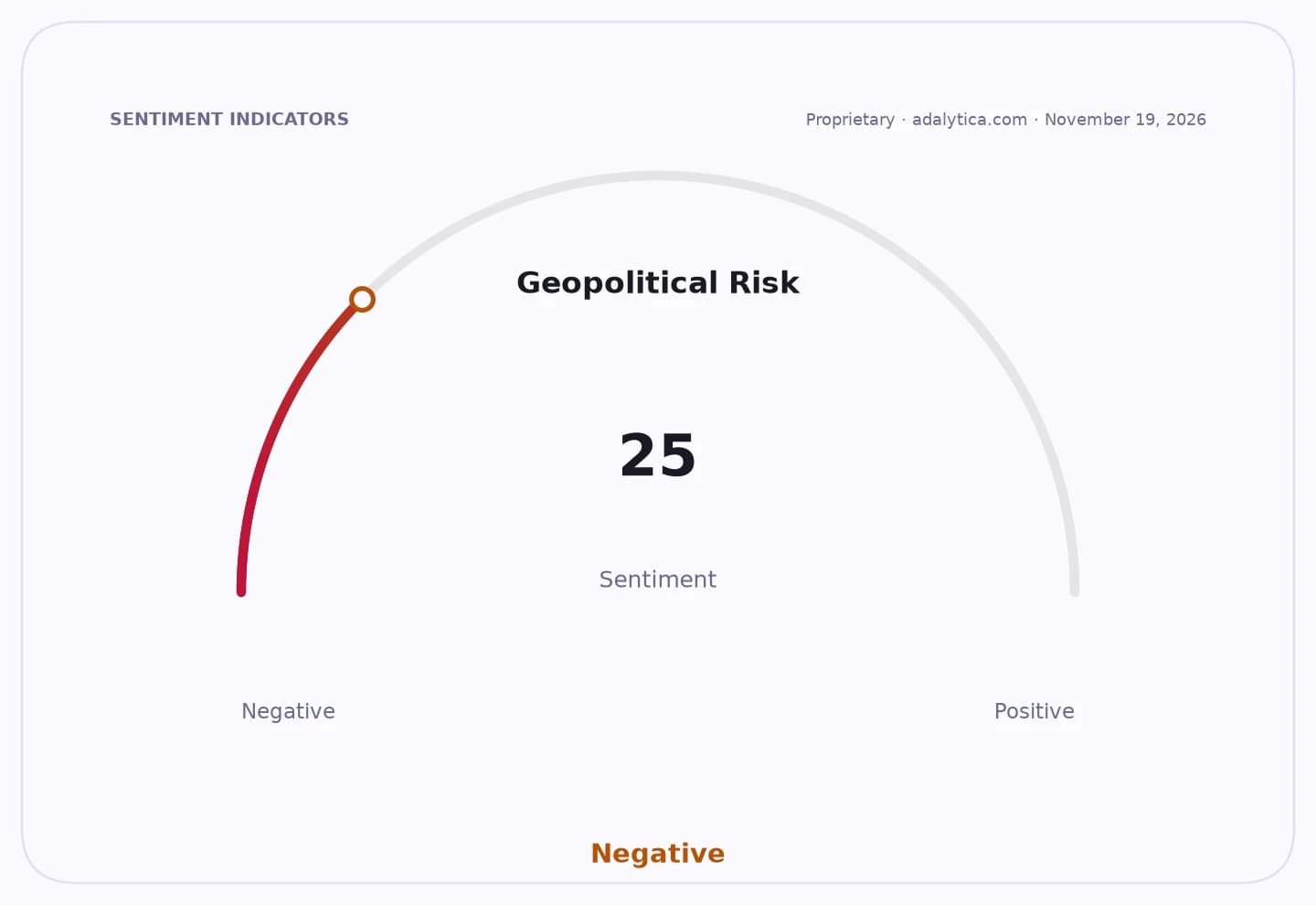
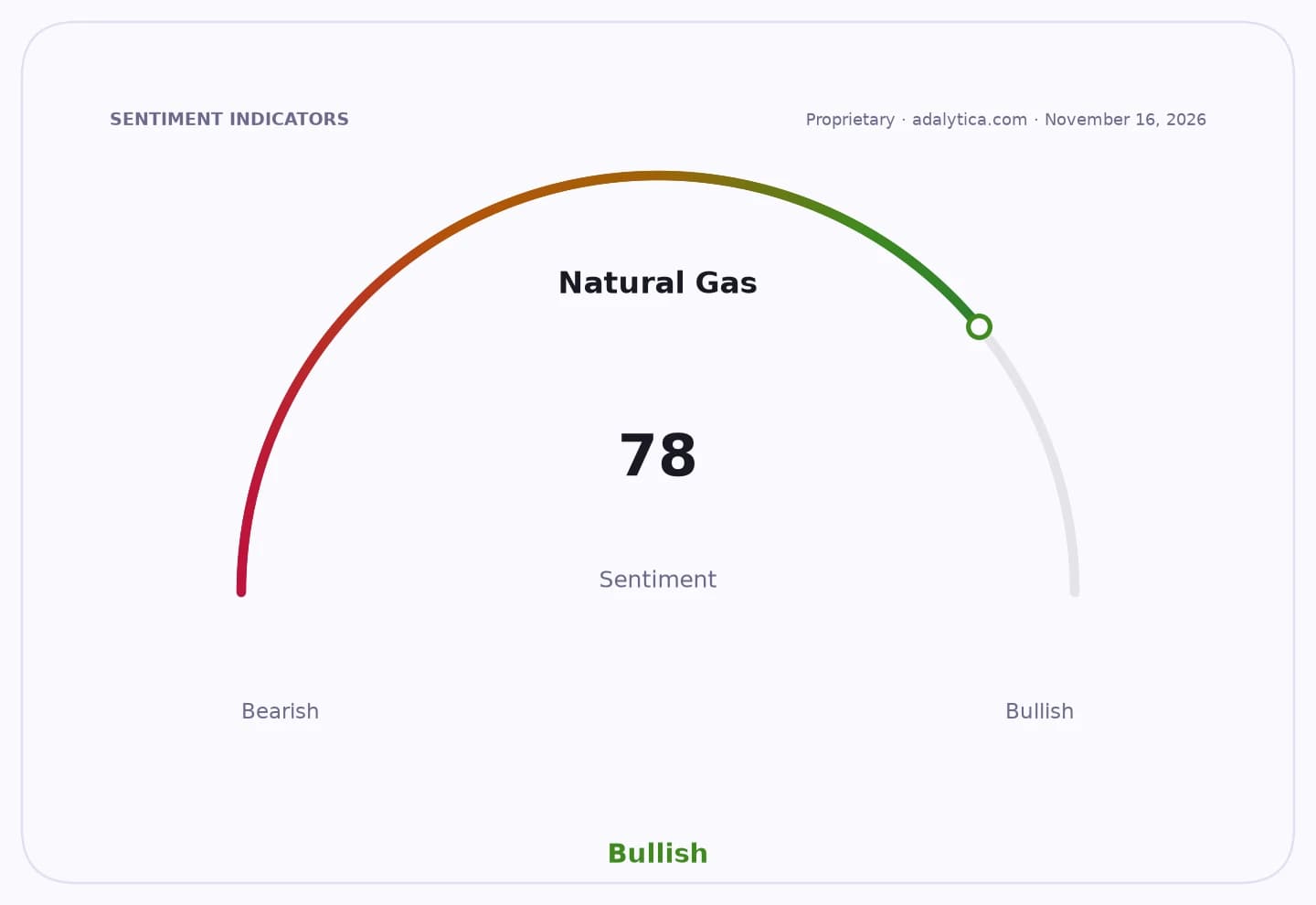
Sentiment Indicators
The country’s consumption problem is the core of the story. Gas use climbed to 7.2 billion cubic feet a day in July and August, underscoring why Cairo wants to accelerate drilling, exploration and field development. In other words, this is not just about boosting output for its own sake; it is about narrowing an energy deficit that forces Egypt to rely more on imports, drains foreign currency and adds pressure to public finances.
The plan also calls for crude oil and condensate production to reach about 700,000 barrels a day by 2030, up from roughly 550,000 barrels a day in fiscal 2026-27. The ministry said it intends to drill 26 development and exploration wells next fiscal year as part of a broader national program from 2026 to 2030 aimed at maximizing local oil and gas production.
That matters because the global backdrop is still unsettled. Oil prices have been volatile, swinging around the $90 a barrel area, while investors continue to worry about the tug of war between supply disruptions and softening demand signals. In that environment, countries that can add reliable domestic barrels or cubic feet gain a measure of resilience, while import-dependent economies remain exposed to price spikes and shipping or geopolitical shocks.
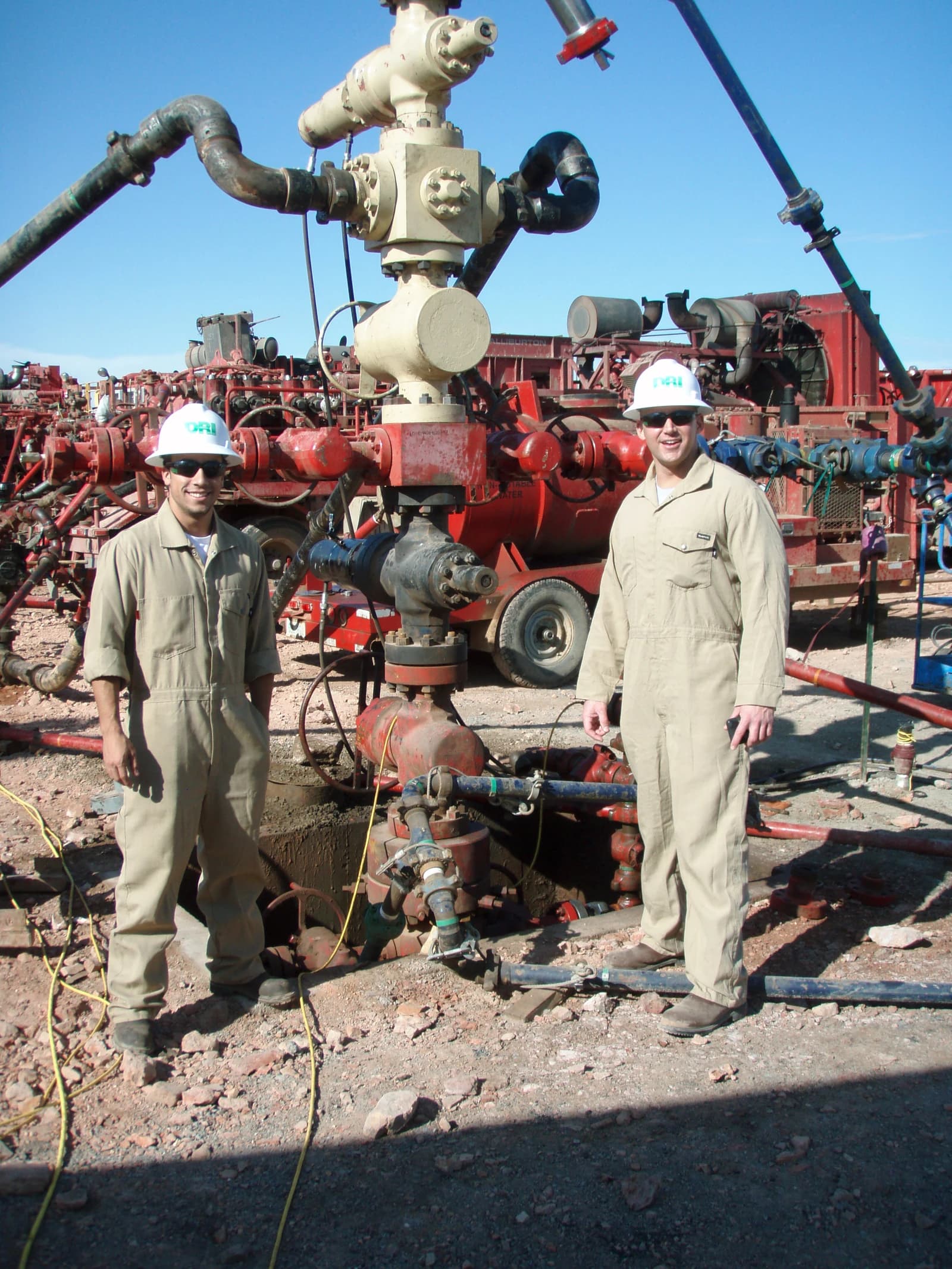
For energy investors, the opportunity sits with the companies and contractors that can turn this plan into actual wells, reserves and production. Integrated producers such as Exxon Mobil, Chevron and ConocoPhillips are already operating in a sector where capital discipline matters and cash flows remain highly sensitive to output and commodity prices. Service companies also stand to benefit if Egypt follows through with more drilling and field work, because higher activity means more demand for rigs, completion services and reservoir optimization.
Still, the execution risk is real. Hitting these targets will require steady investment, faster project development and enough foreign and local capital to replace natural declines at existing fields. If those pieces fall into place, Egypt could improve energy security and ease fiscal strain. If they do not, the country will remain stuck between rising consumption and insufficient supply — a gap investors should watch closely over the next several years.
| Entity | Gains | Losses |
|---|---|---|
| Egypt government | ▲lower import pressure | ▼higher execution risk |
| Oilfield service firms | ▲more drilling activity | ▼slower project awards |
| Domestic consumers | ▲better fuel security | ▼continued shortages if targets slip |
| Importers of gas and oil | ▲less reliance on imports | ▼higher costs if domestic output lags |