A rush to buy gold after a recent price drop has left some Egyptian jewellery shops short of bullion bars and gold pounds, while the weaker pound is pushing local prices higher even as global gold is broadly steady.
Egypt Gold Prices Rise as Pound Weakens
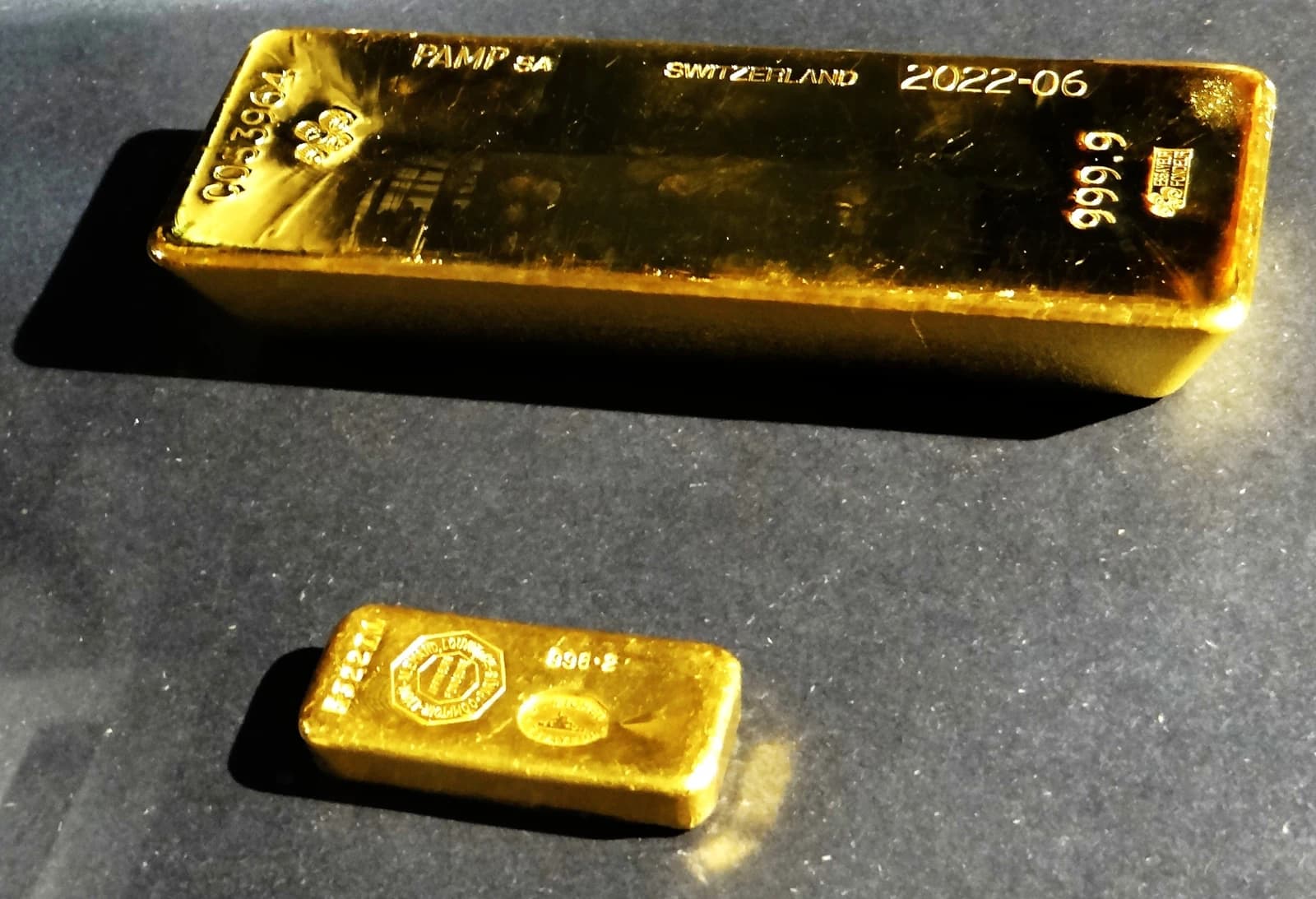
The shortage is a symptom of a familiar stress point in Egypt’s gold market: when households shift savings into physical gold, retail inventories can be drained faster than dealers and producers can replenish them. That matters economically because gold in Egypt is not just jewellery inventory but a parallel savings vehicle, used to preserve purchasing power in a currency market where the dollar has climbed to 54.70 pounds from 53.70 pounds a day earlier, according to the gold trade chamber.
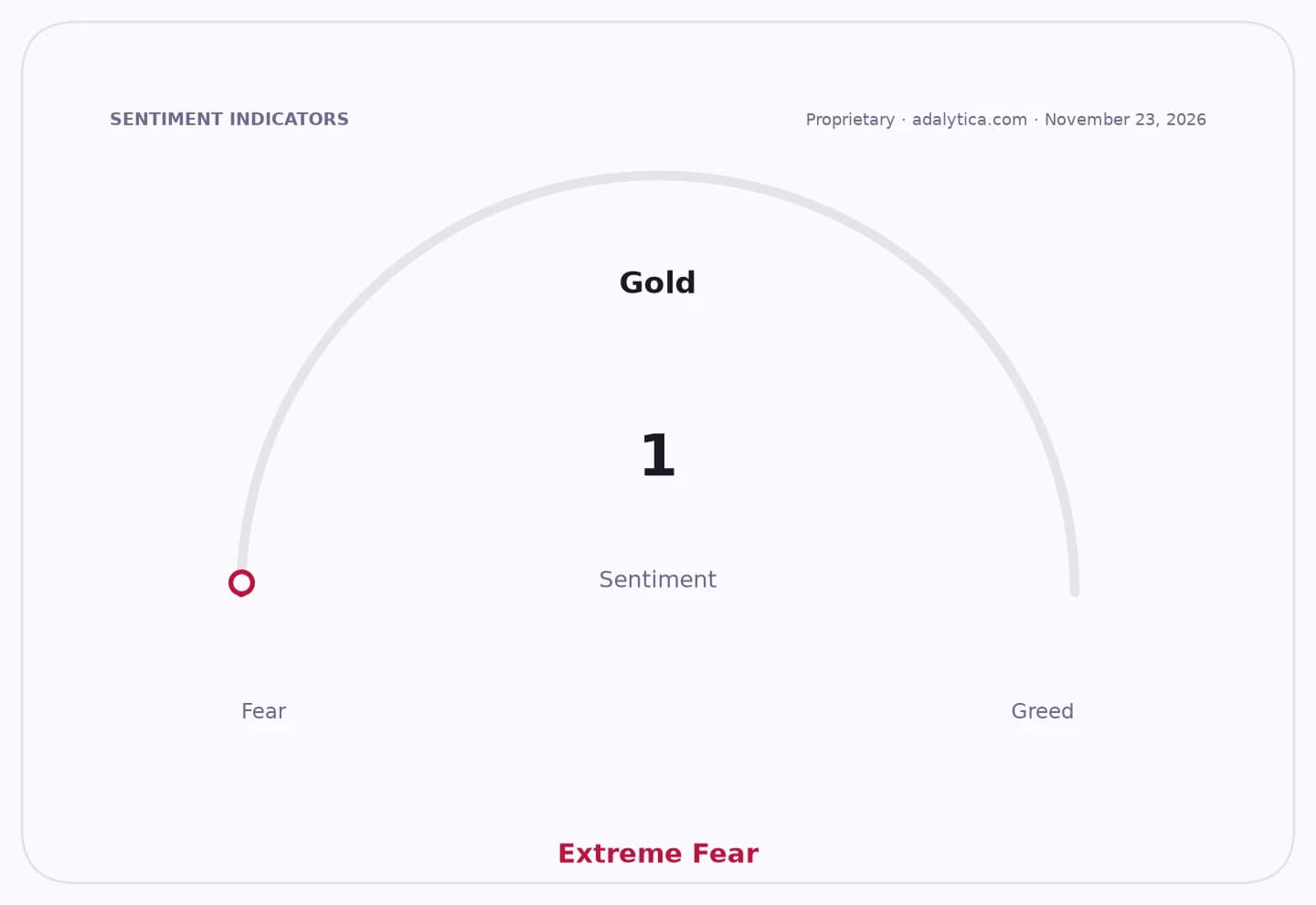
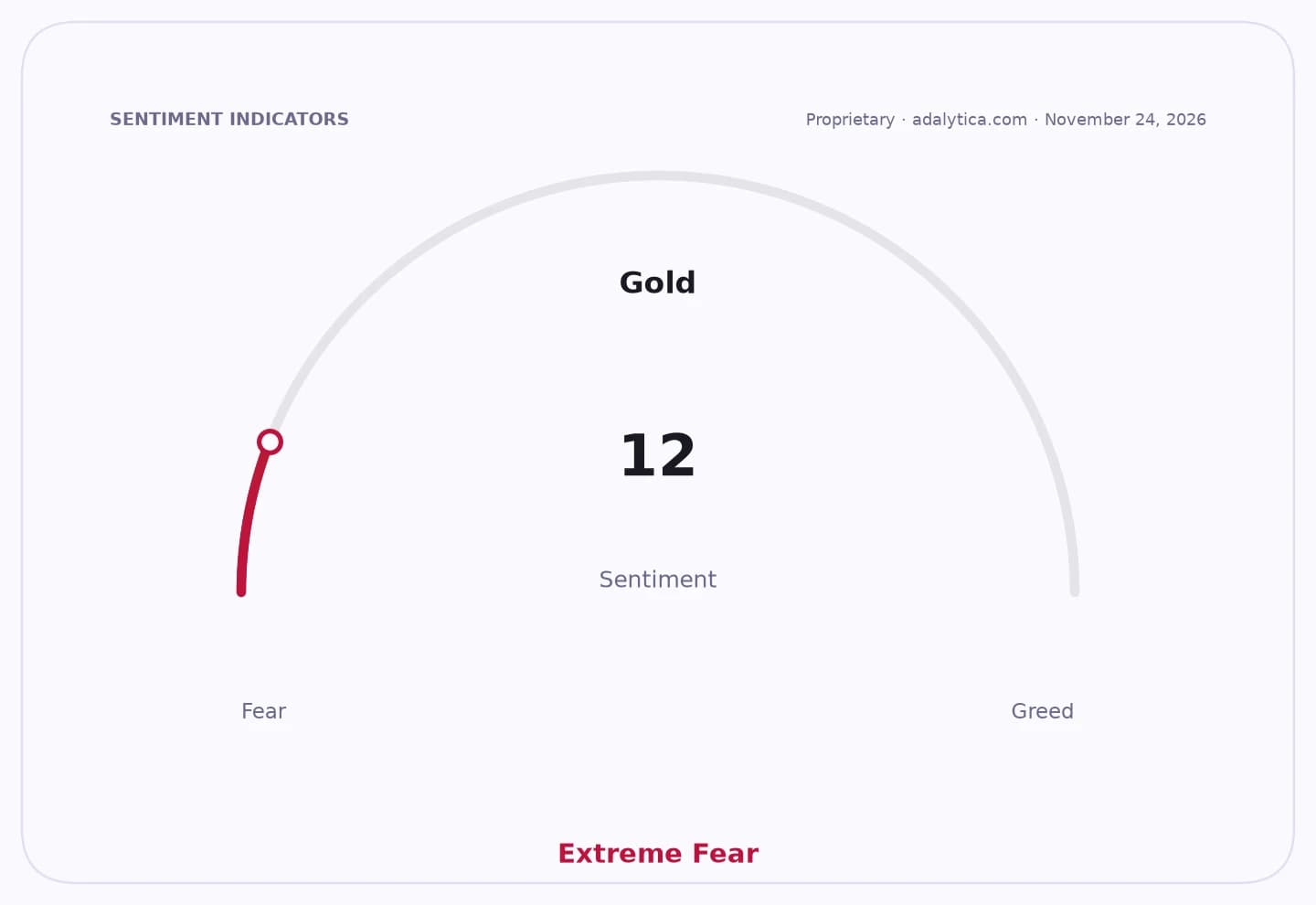
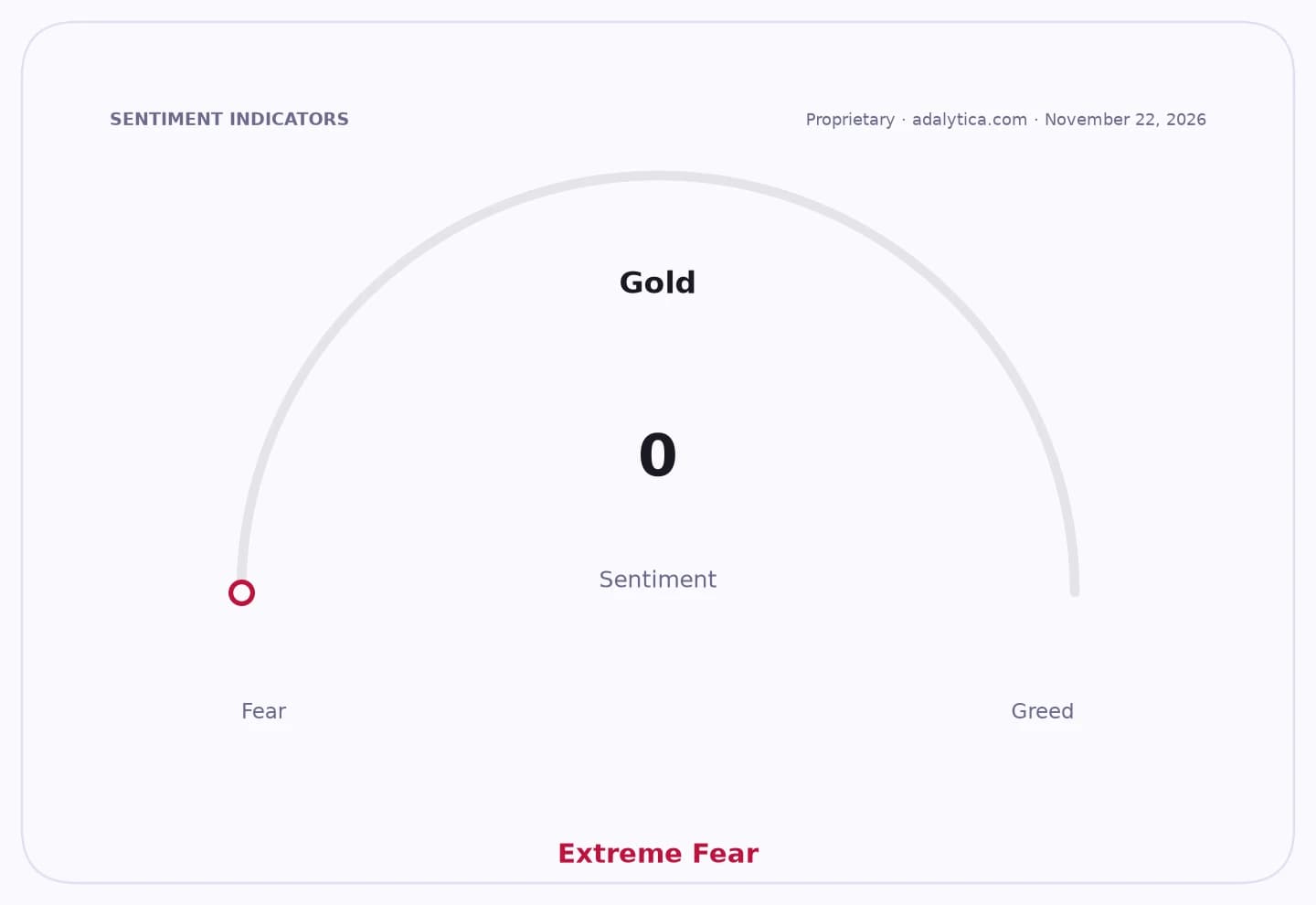
Sentiment Indicators

Local gold prices rose in tandem, with 21-karat bullion quoted around 5,575 pounds a gram versus 5,475 pounds the previous day, despite little change in international prices. Dealers said demand surged after gold fell by roughly 1,000 pounds over recent sessions, lifting footfall at some shops by as much as 50% and stripping stocks of bullion bars and gold pounds from inventories. The buying was concentrated in investment demand rather than adornment, underscoring how quickly savings flows can overwhelm a fragmented retail supply chain.
The move also highlights the gap between domestic pricing and the global market. With the international ounce last settled at $3,538, Egypt’s local market is being driven more by the currency than by the metal itself. That leaves jewellers and traders exposed to both a weaker pound and volatile local demand, while consumers face higher entry prices even when overseas gold is flat.
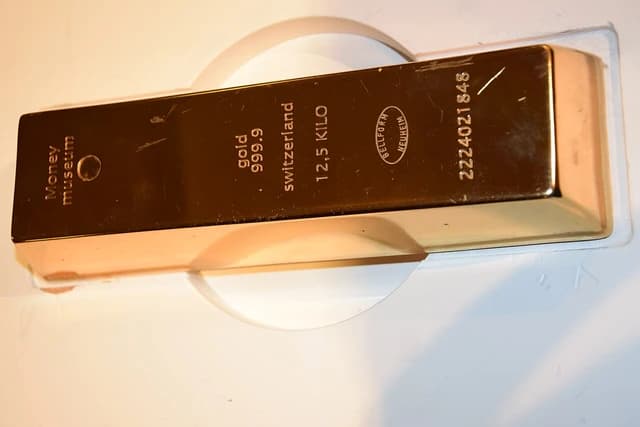
For investors, the story reinforces the role of gold as a hedge in times of currency weakness and elevated economic anxiety. Physical shortages in retail shops can feed premiums over international benchmarks, strengthen near-term margins for wholesalers with stock on hand, and support further buying from savers who fear missing the next leg higher. But it can also quickly choke off transactions if prices keep rising, leaving the market vulnerable to a pullback if the dollar stabilises or global bullion retreats.
The next catalyst is the reopening of global trade, which could keep prices volatile around the current ounce level, with traders in Egypt expecting swings of about $20 to $30. If the dollar stays firm and international gold resumes its advance, the shortage could broaden beyond a few shops and force a new round of restocking at higher prices.
| Entity | Gains | Losses |
|---|---|---|
| Gold buyers/investors | ▲Preserve value in hard assets | ▼Pay higher local premiums |
| Bullion dealers with stock | ▲Wider spreads, stronger turnover | ▼Inventory shortages |
| Egyptian shoppers/jewellers | ▲None | ▼Scarcer bullion bars and gold pounds |
| Pound vs. gold | ▲— | ▼Weaker currency lifts local prices |