Egypt’s petrochemical industry added $1.6 billion in value from the use of oil and gas feedstocks, underscoring how the sector is becoming a bigger source of industrial output, export earnings and foreign-currency support at a time of pressure on the pound and wider trade flows.
Egypt petrochemical sector adds $1.6 billion

The gain matters because petrochemicals sit at the intersection of energy, manufacturing and exports. Turning crude oil and natural gas into higher-value chemicals and plastics lifts the return on Egypt’s hydrocarbon resources, creates more domestic industrial activity and can reduce dependence on imported finished products.
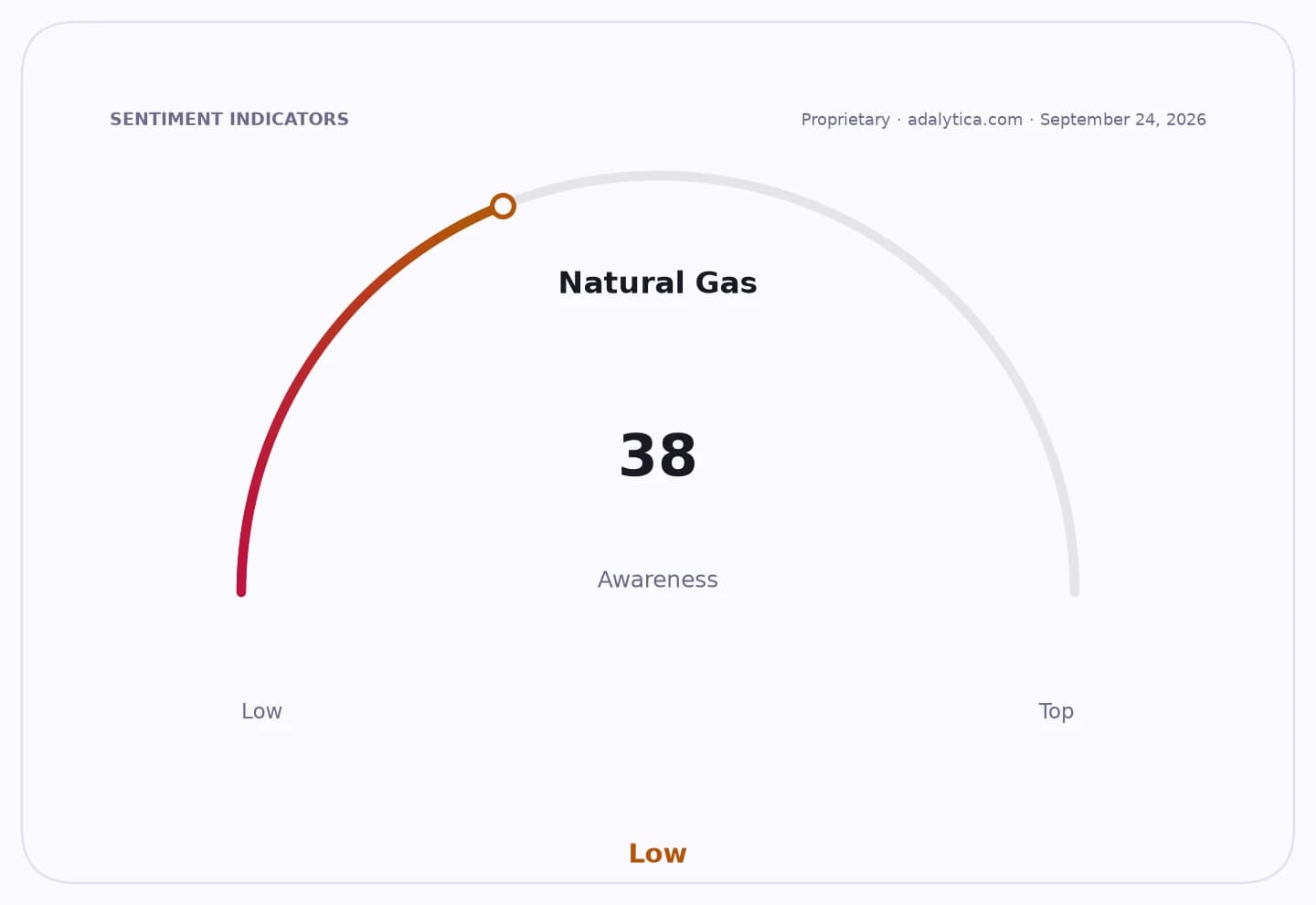
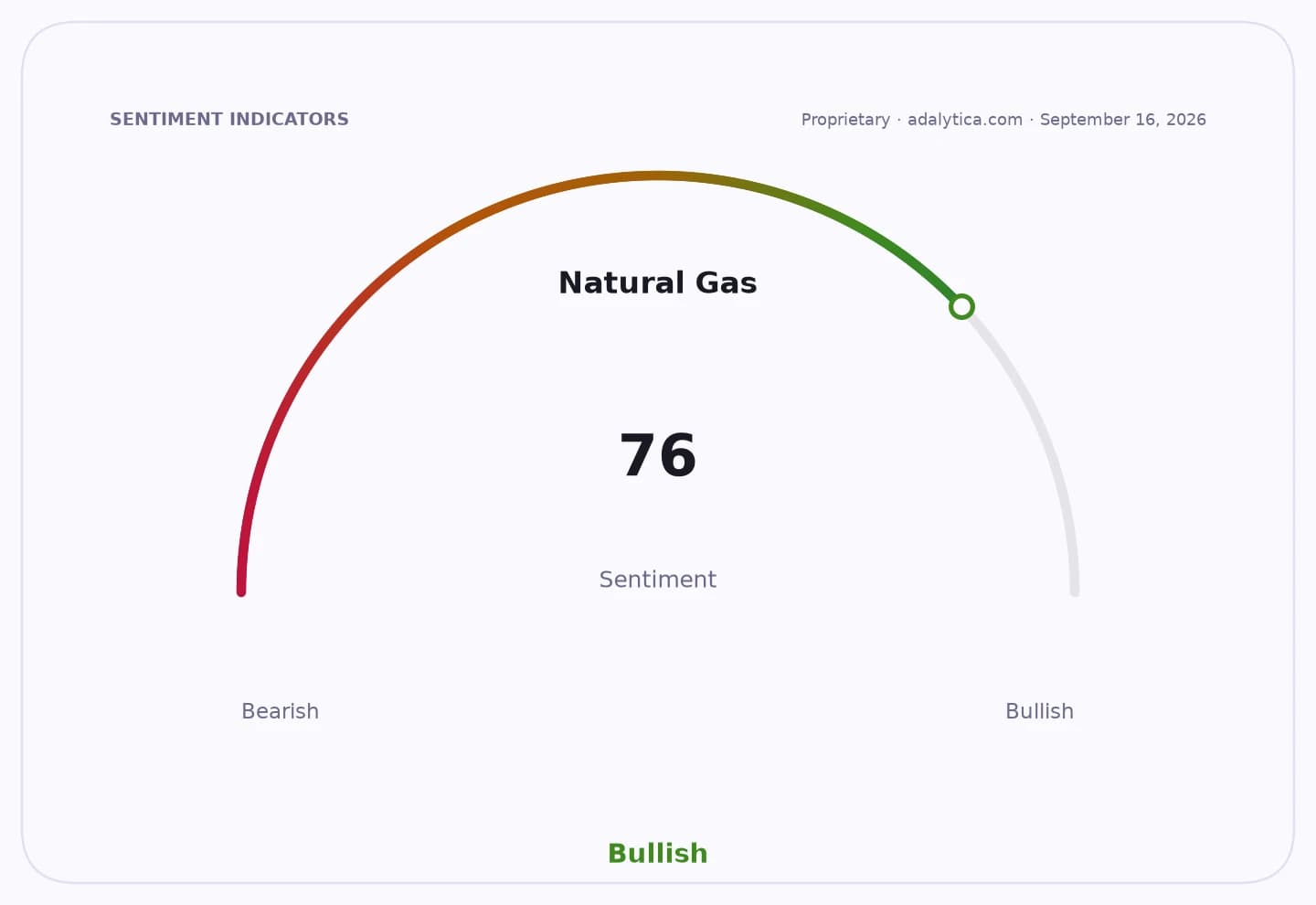
Sentiment IndicatorsⓘProprietary · adalytica.com · September 20, 2026
This is a snapshot — live sentiment, awareness and momentum for 130+ markets update continuously in the dashboard.Open AlphaPulse
Energy markets remain central to that story. Brent and WTI prices have been firm enough to keep hydrocarbon-linked margins and feedstock economics in focus, while Egyptian policymakers are pushing to extract more value from domestic resources rather than exporting raw inputs. That makes petrochemicals a strategic channel for adding value inside the country instead of sending it abroad.
Petroleum Minister Karim Badawi said Egypt’s petrochemical sector has posted notable production growth and opened new export markets, a sign the industry is leaning more heavily on regional demand and global customers. The comments point to a sector that is not only producing more, but also moving further up the value chain.
The market implication is straightforward: stronger petrochemical output can support industrial activity, foreign-currency generation and earnings for companies exposed to chemicals and energy. It also matters for investors watching whether state-led industrial policy can translate into hard-currency inflows and margins resilient enough to offset volatility in input costs and exchange rates.
For markets, the next test is whether the sector can sustain the pace of value addition as oil prices, gas availability and global demand shift. Investors will be looking for follow-through in export data, plant utilization and any further policy steps to deepen downstream processing.
| Entity | Gains | Losses |
|---|---|---|
| Egypt petrochemical sector | ▲Higher value added, exports | ▼Raw feedstock exporters |
| Oil and gas producers | ▲More downstream demand | ▼Importers of finished chemicals |
| Industrial exporters | ▲Hard-currency earnings | ▼Buyers facing higher input costs |
| Foreign-currency reserves | ▲Support from exports | ▼Economy if output slows |